Paragliding in Nepal
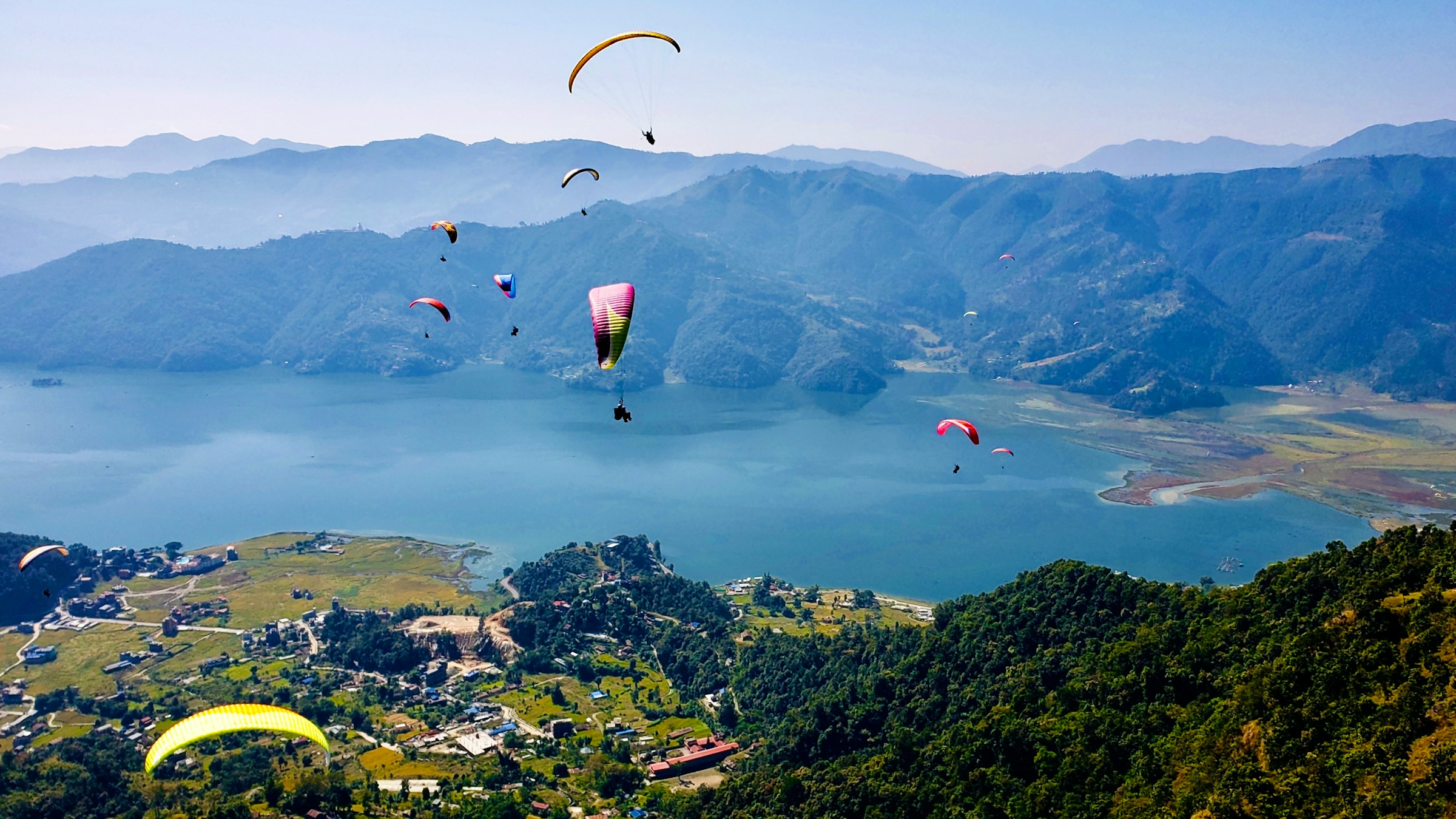
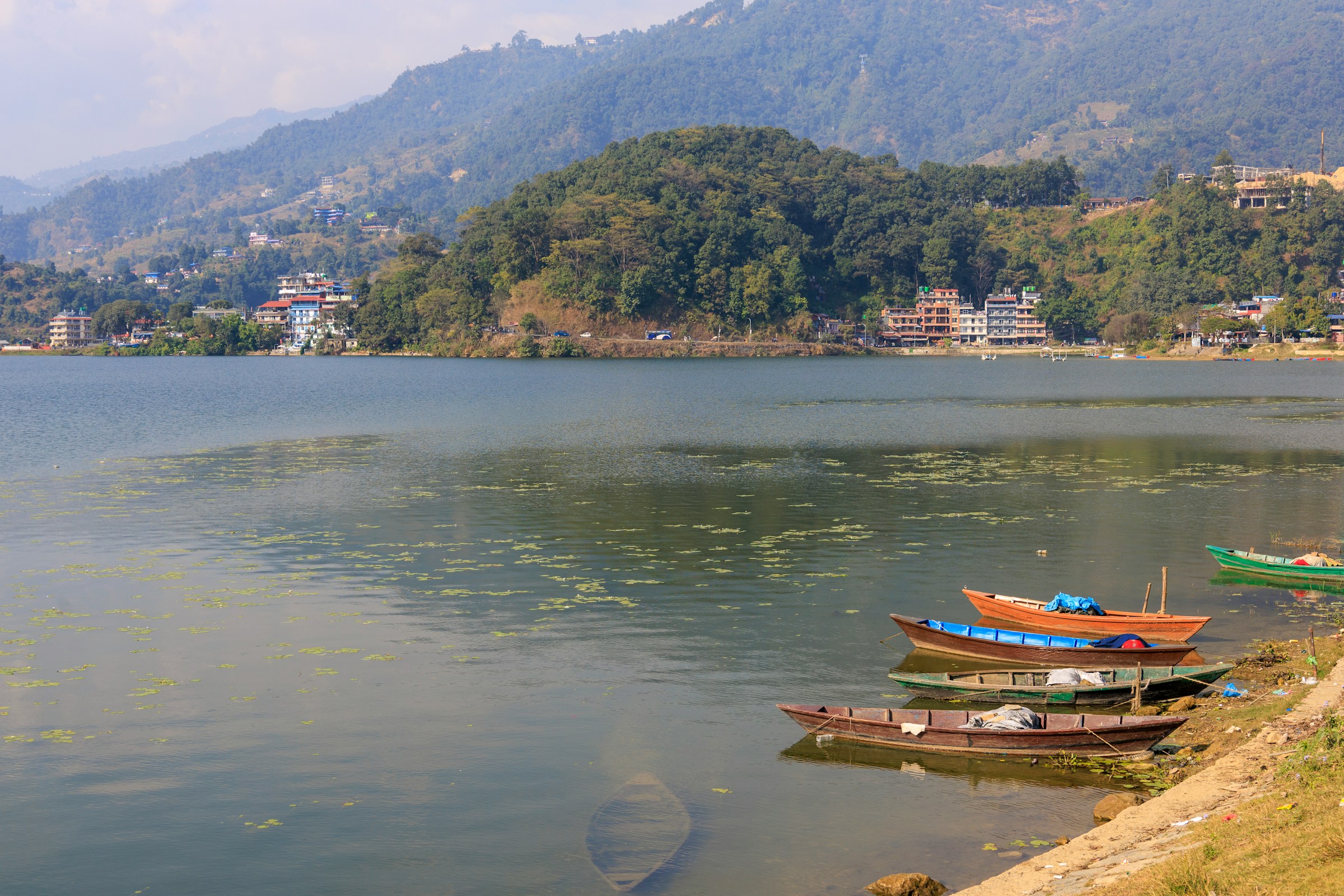
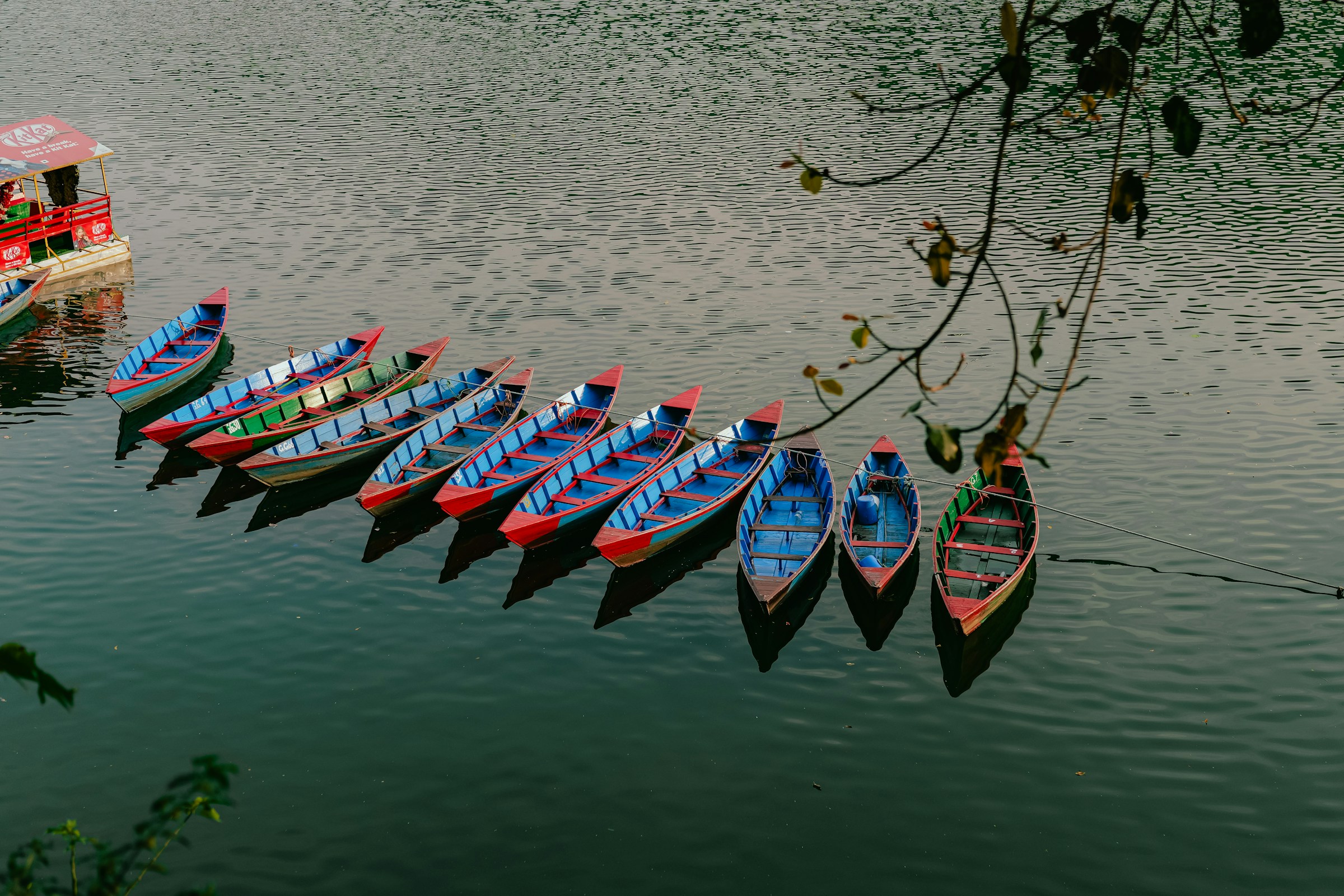
Paragliding in Nepal offers an exhilarating way to experience the country’s stunning landscapes from above. As one of the top paragliding destinations in the world, Nepal’s diverse terrain and favorable weather conditions provide an ideal setting for this adventure sport. Whether you’re soaring above the serene Phewa Lake in Pokhara with the Annapurna range as your backdrop or gliding over the verdant hills and valleys near Kathmandu, paragliding in Nepal promises an unforgettable experience.
Nepal’s unique geographical features, including its high peaks, deep valleys, and expansive skies, make it a paradise for paragliders. The thrill of flying like a bird while enjoying panoramic views of snow-capped mountains, lush forests, and picturesque lakes is unmatched. Whether you’re an experienced paraglider or a first-timer, Nepal offers tandem flights with professional pilots, making it accessible to everyone.
Paragliding Destinations in Nepal
- Pokhara :- Sarangkot Hill: The most popular paragliding site in Nepal is Sarangkot Hill, located just above Pokhara. Known for its breathtaking views of the Annapurna range, Dhaulagiri, Machapuchare (Fishtail), and the pristine Phewa Lake, Sarangkot offers an ideal launch point at 1,592 meters above sea level. The flight takes you over Pokhara Valley, providing an incredible aerial view of the city, the lake, and surrounding mountains.
- Kathmandu Valley: – Godavari and Phulchoki: Although less popular than Pokhara, the hills surrounding the Kathmandu Valley, such as Godavari and Phulchoki, also offer great paragliding opportunities. Flying over the valley, you can see the sprawling cityscape of Kathmandu, ancient temples, and terraced fields.
- Bandipur:- Bandipur, a picturesque hilltop town between Kathmandu and Pokhara, offers paragliding with views of the Himalayas and the Marsyangdi River. It’s a quieter alternative to Pokhara and provides a more tranquil paragliding experience.
- Chitwan: – In addition to its famous national park, Chitwan offers paragliding over its lush plains and river systems. It’s a unique experience where you might even spot some wildlife from the sky.
Types of Paragliding Experiences
- Tandem Paragliding – Overview: Tandem paragliding is the most common form of paragliding for tourists in Nepal. It involves flying with a professional pilot who controls the paraglider, allowing you to enjoy the scenery and experience the thrill of flying without any prior experience or training.
– Duration: Tandem flights usually last between 20 to 45 minutes, depending on the weather conditions and the flight path.
– Best For: Beginners, tourists, and those looking to experience paragliding without the need for extensive training.
- Solo Paragliding:
– Overview: For experienced paragliders who have completed the necessary training and have their licenses, Nepal offers incredible opportunities for solo flights. With several licensed paragliding schools, you can also opt for a training course if you wish to learn to paraglide on your own.
– Duration: Solo flights can last as long as the paraglider’s skills and weather conditions permit.
– Best For: Experienced paragliders and those looking to take up paragliding as a sport.
- Cross-country Paragliding:
– Overview: Cross-country (XC) paragliding is for advanced paragliders who wish to explore longer distances and more challenging terrain. Nepal’s varied landscape offers some of the best cross-country routes, particularly in the Pokhara region.
– Duration: XC flights can last several hours, covering distances of up to 100 km or more.
– Best For: Experienced paragliders looking for a more challenging and adventurous experience.
Best Time for Paragliding in Nepal
– Autumn (September to November): This is the best time for paragliding in Nepal, with clear skies, mild temperatures, and stable thermals that are ideal for flying.
– Spring (March to May): Another excellent time to paraglide, with blooming flowers, clear skies, and moderate temperatures. The visibility during spring allows for breathtaking views of the snow-capped peaks.
– Winter (December to February): Paragliding is possible during winter, especially in Pokhara, but the weather can be colder, and the thermals may be weaker.
– Monsoon (June to August): Paragliding is generally not recommended during the monsoon season due to heavy rainfall, cloudy skies, and unpredictable winds.
Safety and Regulations
– Licensing and Training: For solo paragliders, it’s essential to have a recognized license and adequate training. Nepal has several certified paragliding schools that offer training courses for beginners and advanced pilots.
– Professional Pilots All tandem paragliding flights are conducted by experienced and licensed pilots who are familiar with local weather patterns and flying conditions.
– Safety Equipment: Modern paragliding equipment, including harnesses, helmets, and reserve parachutes, are provided by the paragliding companies to ensure a safe experience.
– Insurance: It is advisable to have travel insurance that covers adventure sports, including paragliding, before participating in any flights.
What to Expect During a Paragliding Flight
- Preparation:
– You will be briefed by your pilot or instructor on the safety protocols, flight details, and what to expect during the flight.
– You will be fitted with a harness and helmet.
– The pilot will perform a final equipment check before takeoff.
- Takeoff:
– For tandem flights, you will take off by running a few steps down a slope while the pilot inflates the glider.
– Once airborne, the takeoff is smooth, and you will soon be gliding effortlessly in the sky.
- In the Air:
– Enjoy the breathtaking views of the landscapes below as you soar above hills, valleys, and lakes.
– The pilot may perform some gentle maneuvers if you’re comfortable, enhancing the thrill of the flight.
- Landing:
– The pilot will guide you in for a smooth landing at a designated spot.
– After landing, you will be debriefed, and you can share your experiences with fellow adventurers.
Cost of Paragliding in Nepal
– Tandem Flights: Typically range from $70 to $150 USD, depending on the location and duration of the flight.
– Solo Flights: Costs vary based on equipment rental (if needed), permits, and transportation.
– Training Courses: Paragliding schools offer courses ranging from $1,200 to $1,500 USD for beginner to intermediate levels, including theory, practice flights, and certification.
Write a Review