


Budget EBC Trek – 12 Days Detailed Itinerary
The Budget Everest Base Camp Trek – 12 Days is the perfect adventure for trekkers seeking the classic Everest experience at an affordable cost—without compromising safety, comfort, or service quality. This journey follows the legendary trail to Everest Base Camp, combining breathtaking Himalayan scenery, rich Sherpa culture, and two essential acclimatization days for a safe high-altitude adventure.
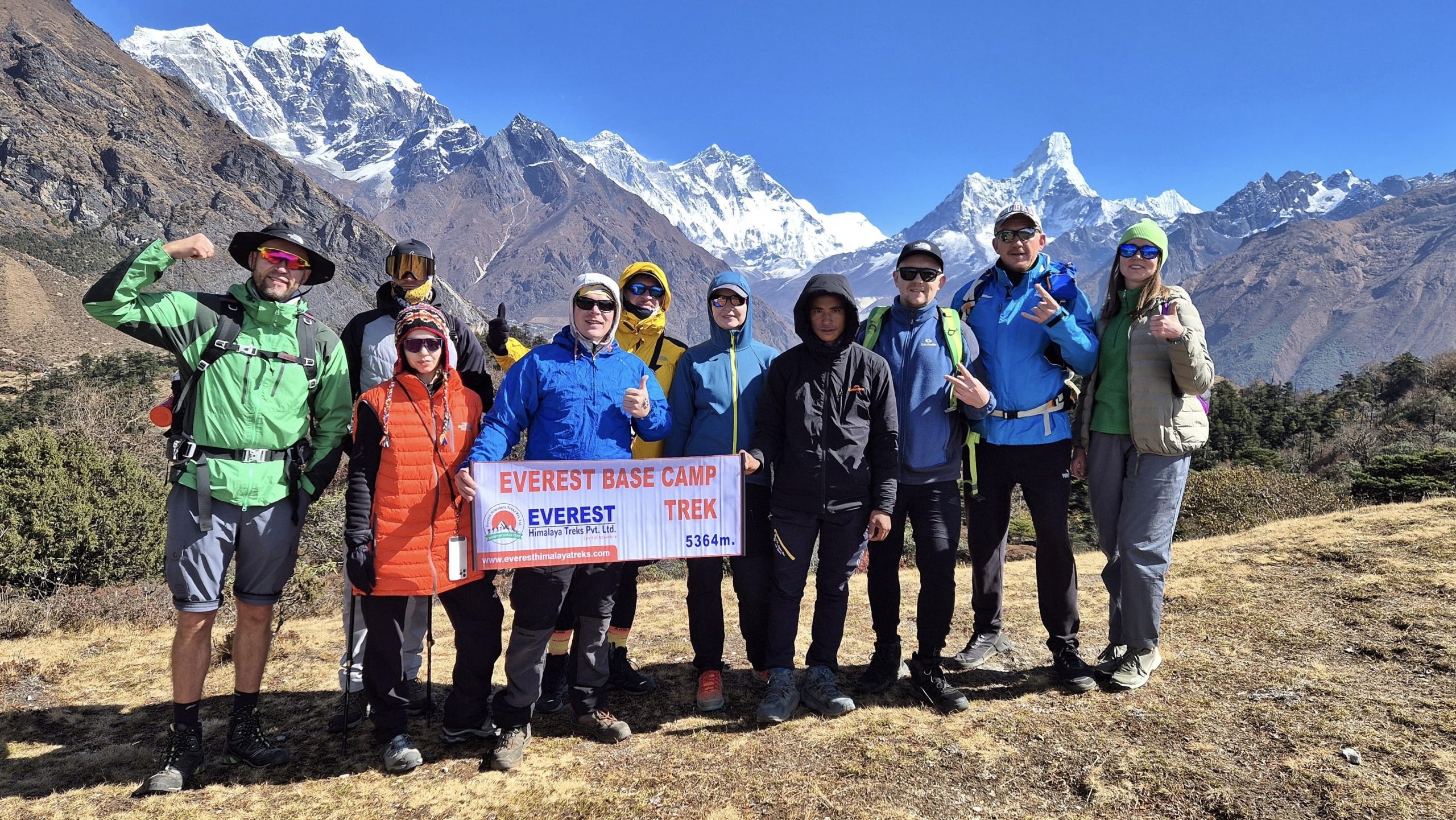
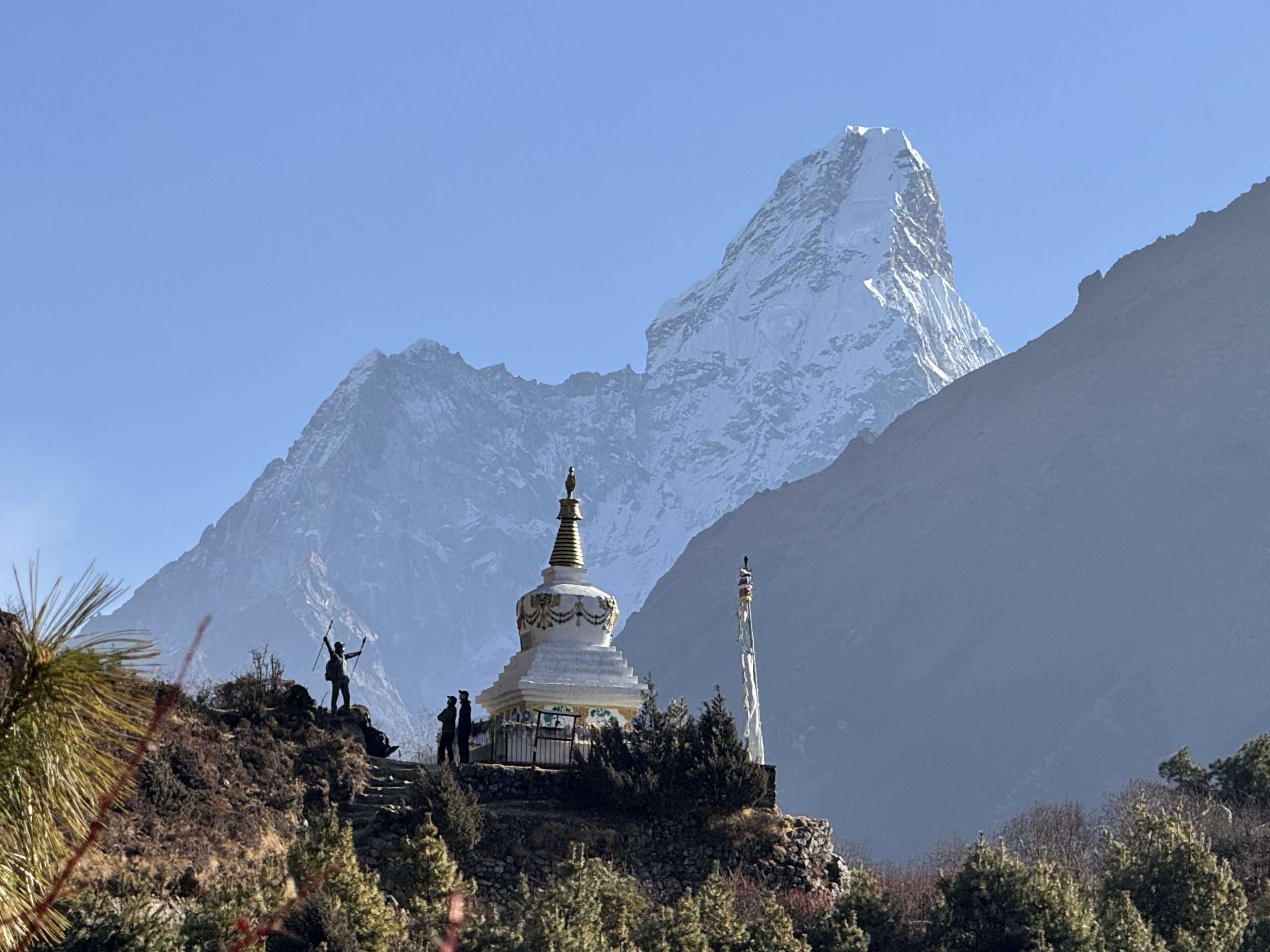
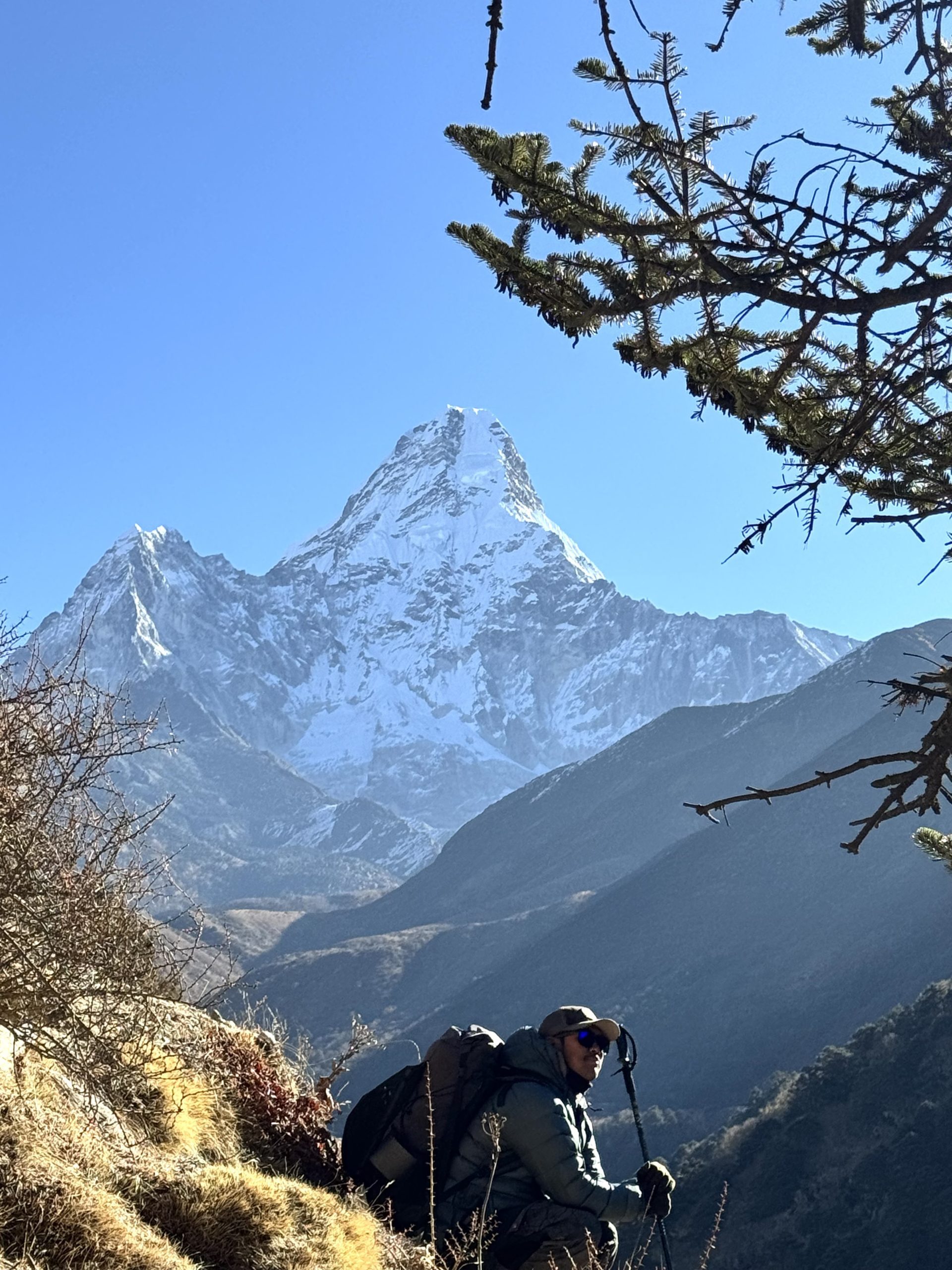
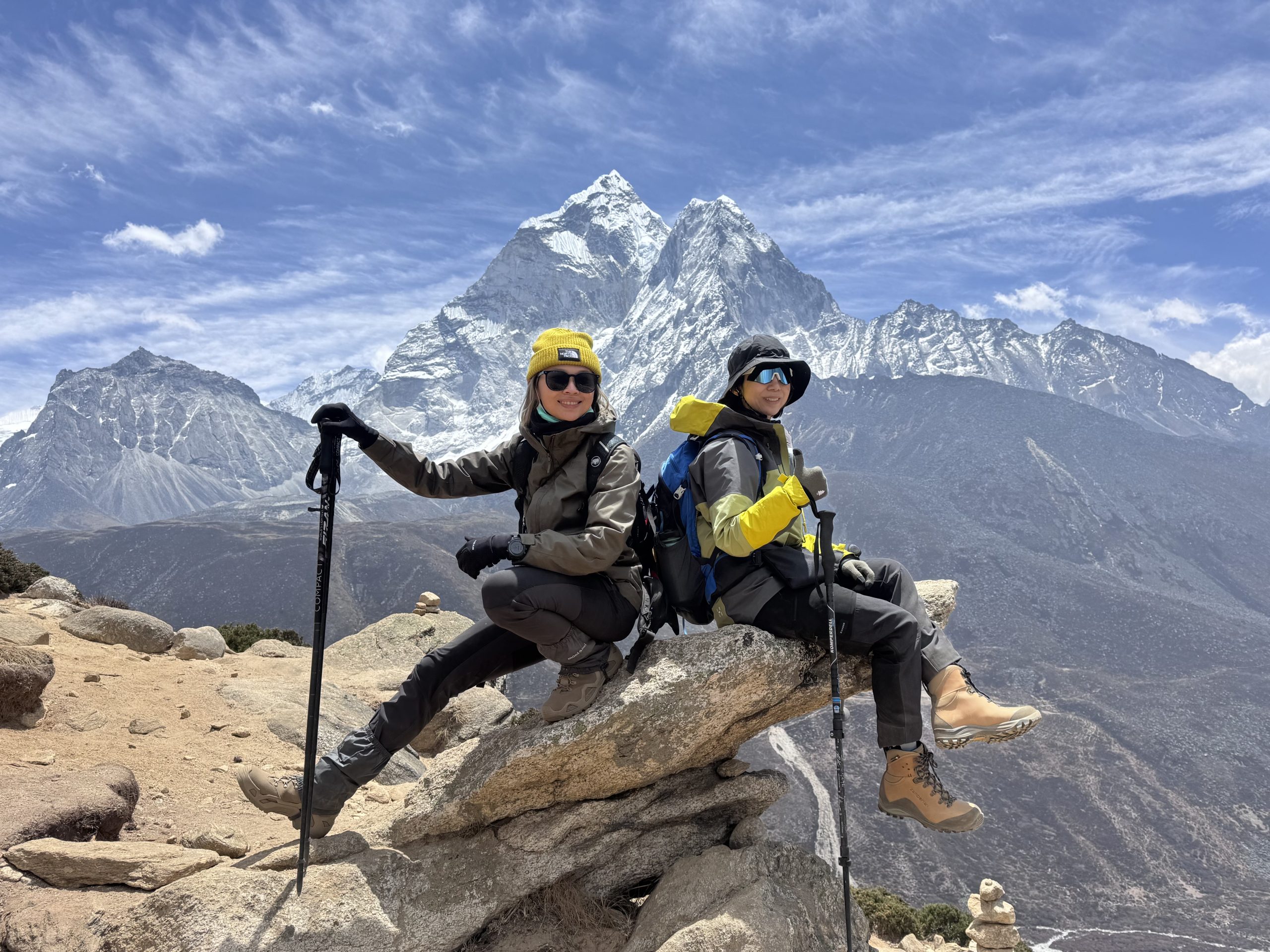
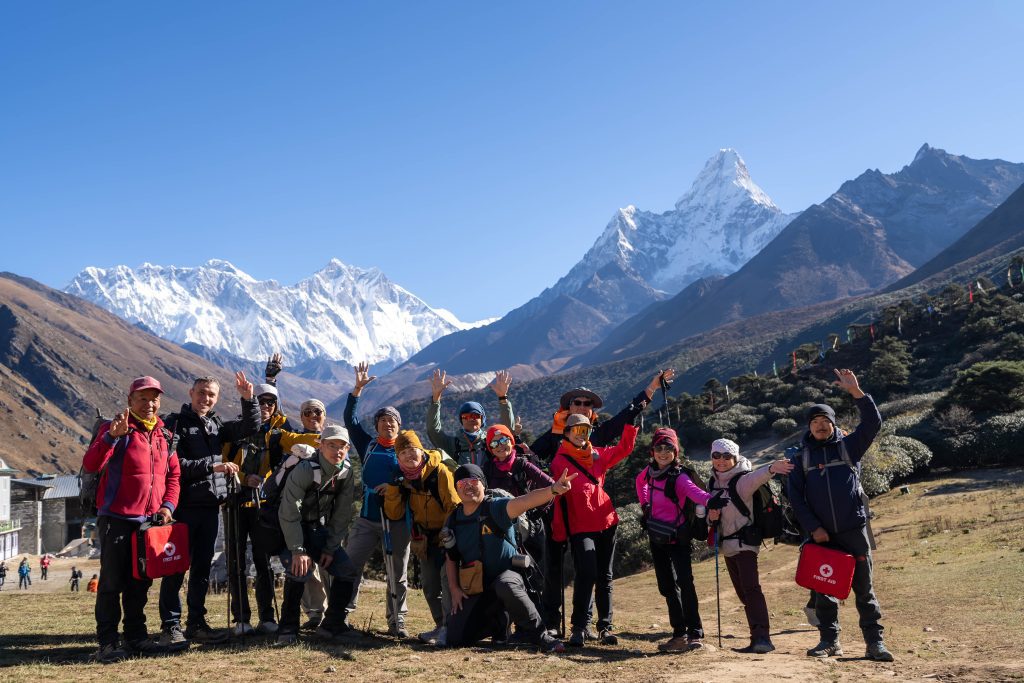
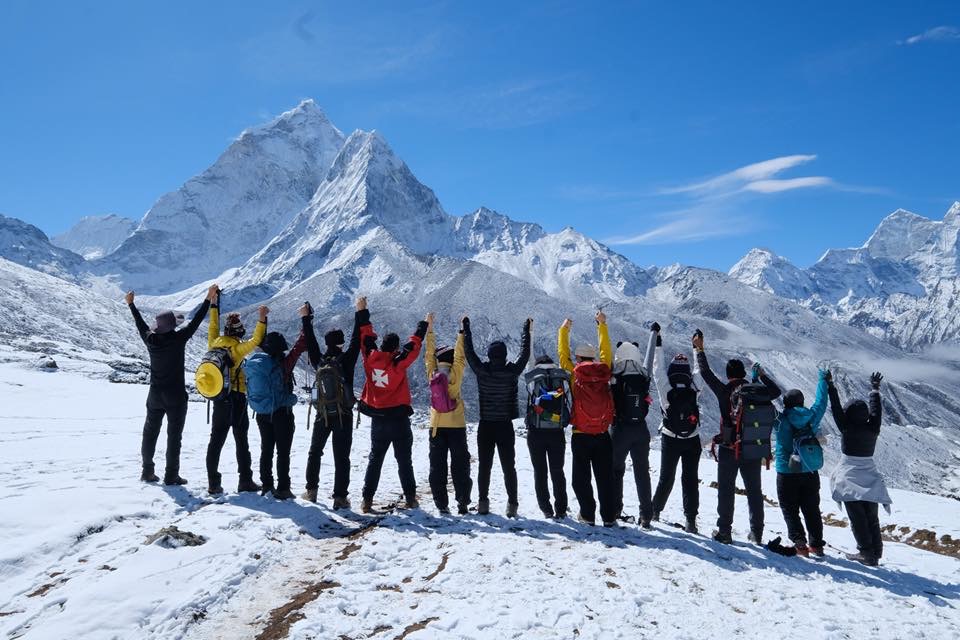
Starting with a thrilling flight to Lukla, the trek gradually ascends through the Dudh Koshi Valley to the vibrant Sherpa town of Namche Bazaar, the gateway to Everest. After exploring viewpoints, monasteries, and local villages, the trail continues to Tengboche, home to one of the region’s most famous monasteries with stunning views of Ama Dablam and Everest.
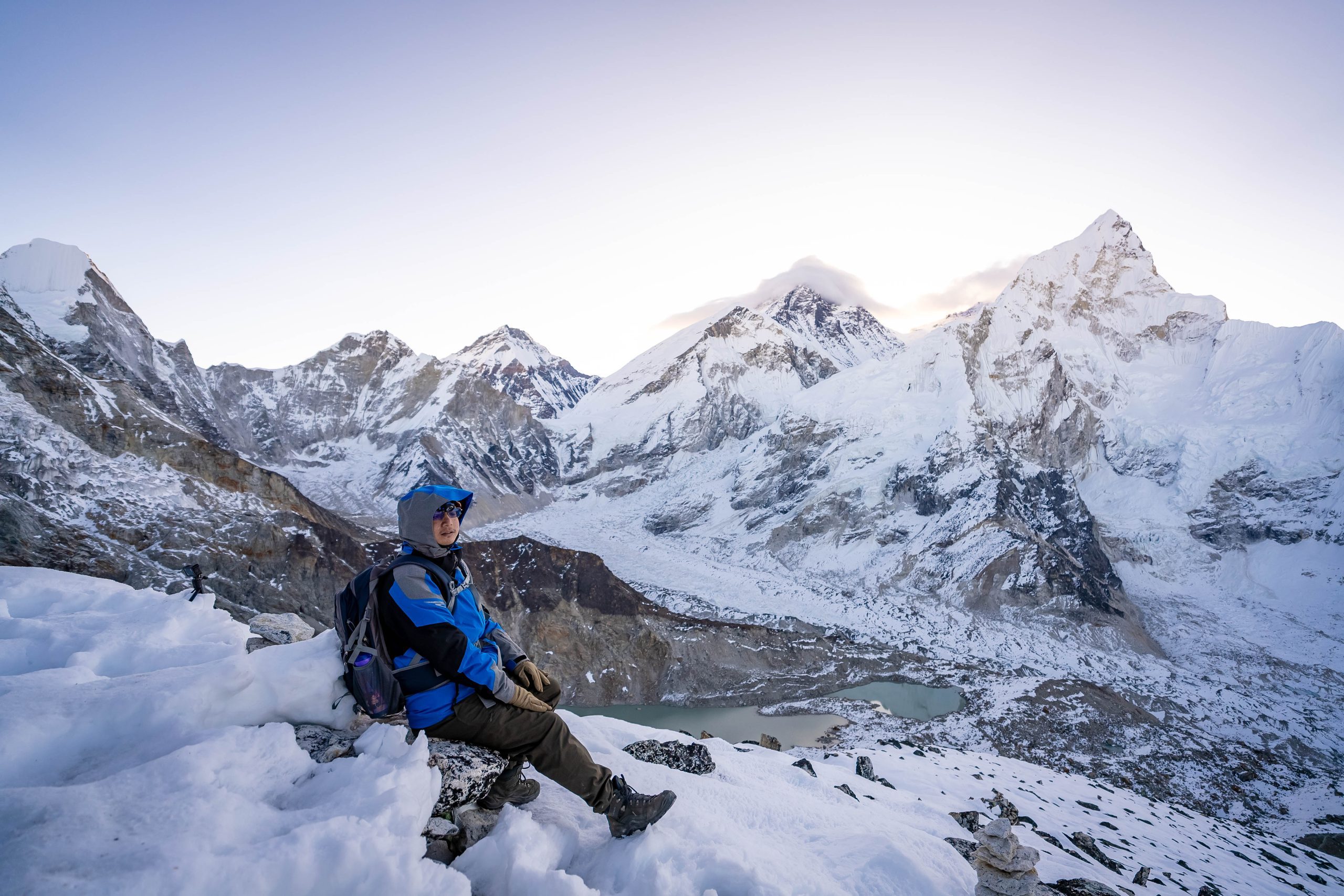
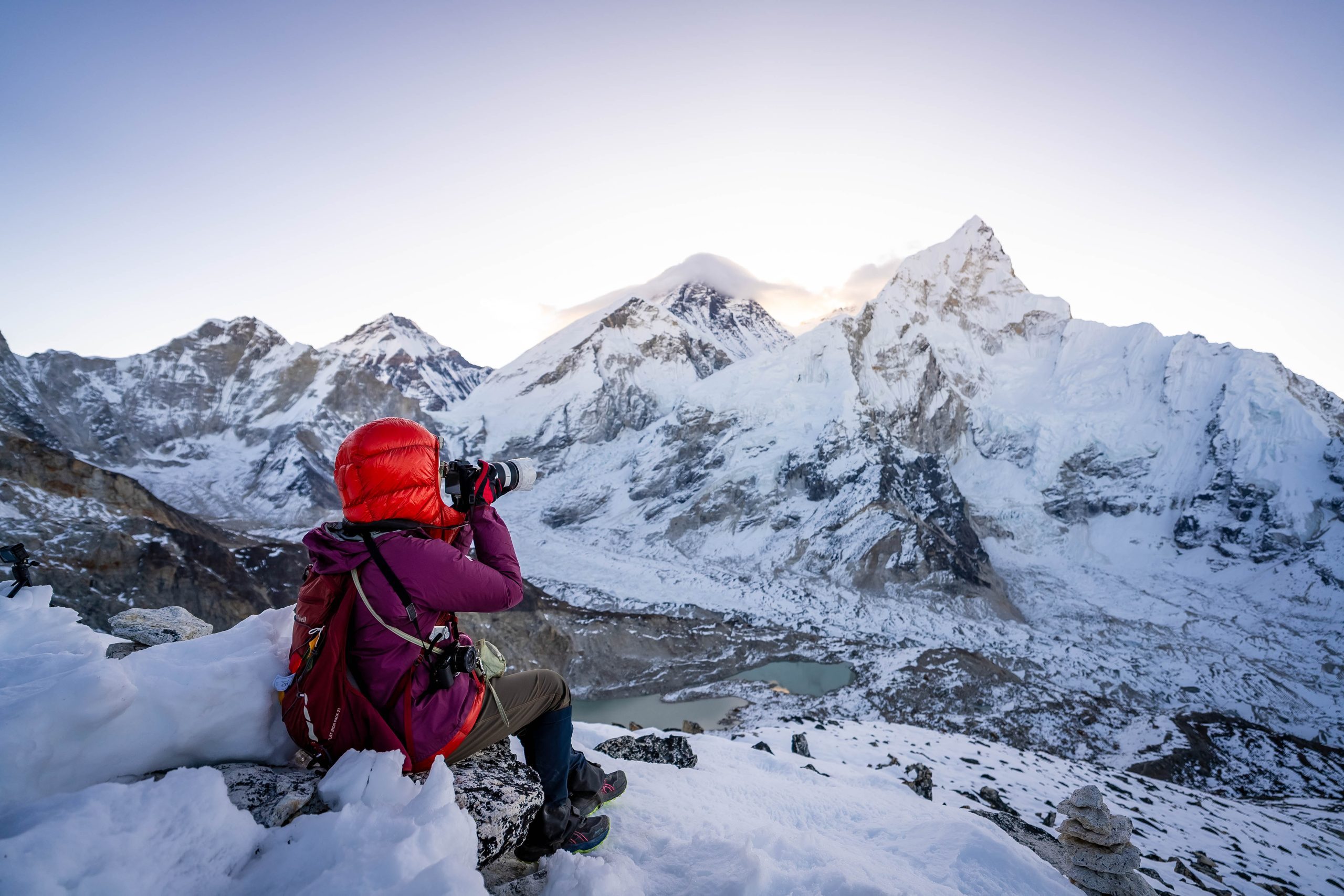
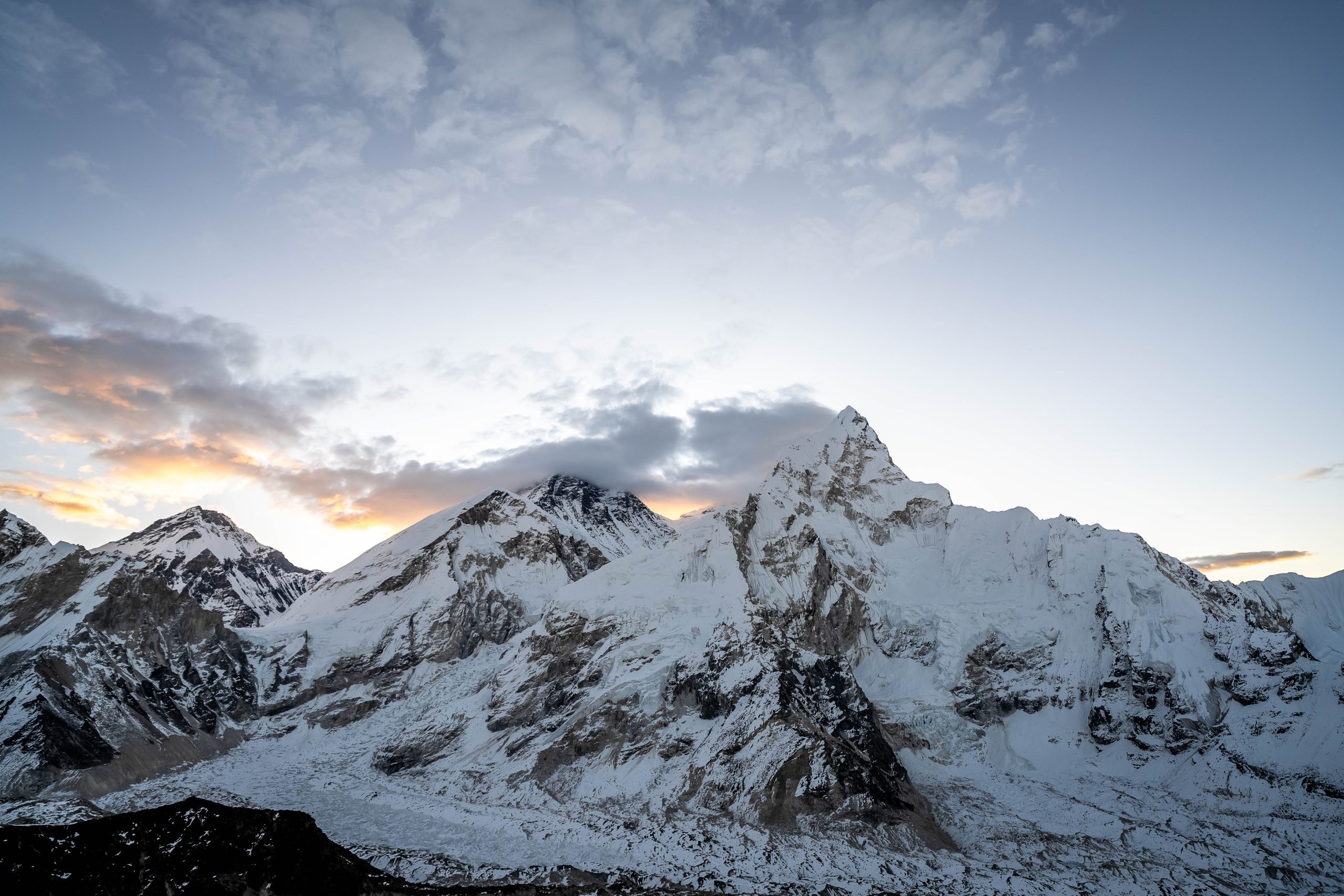
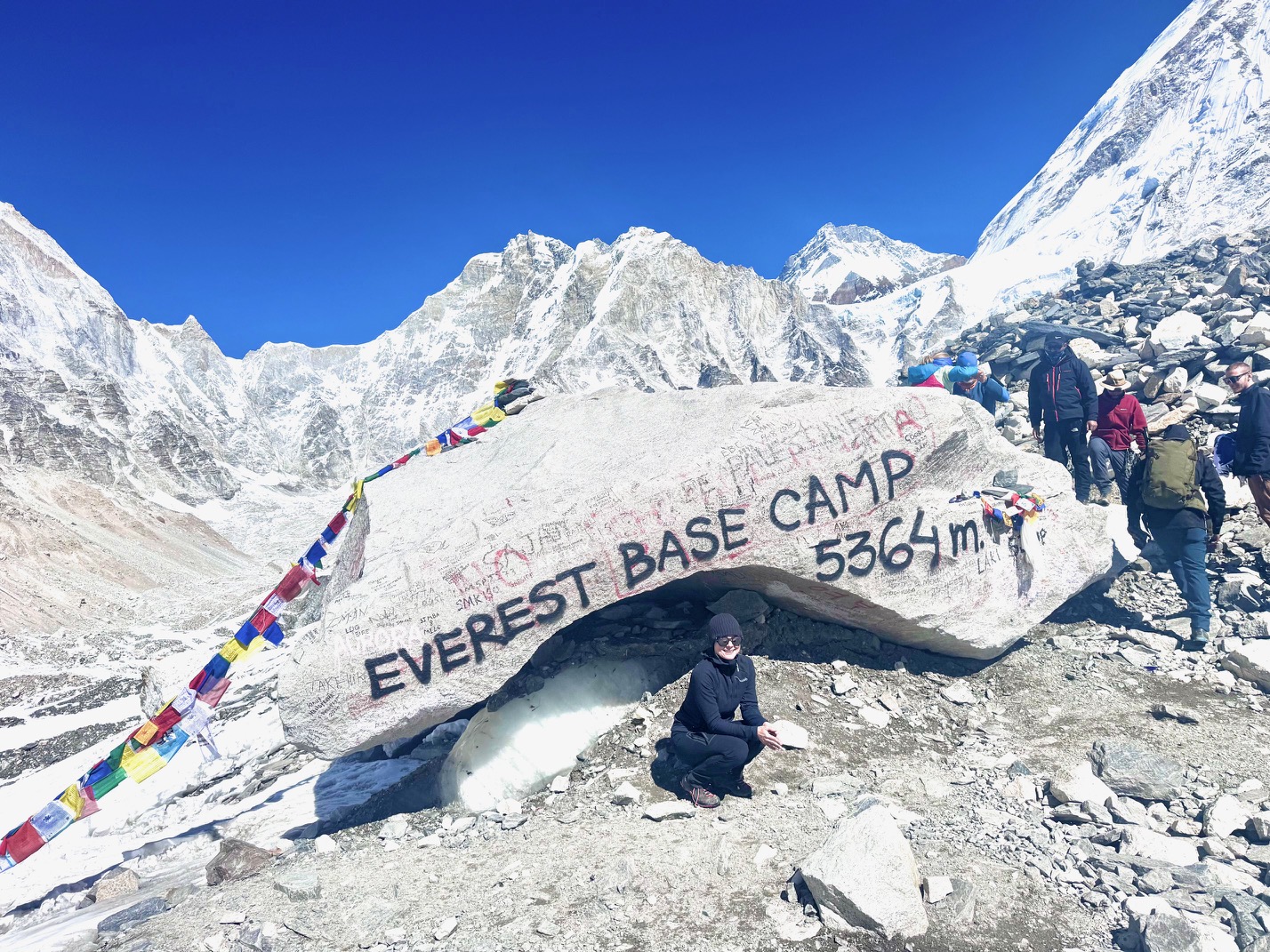
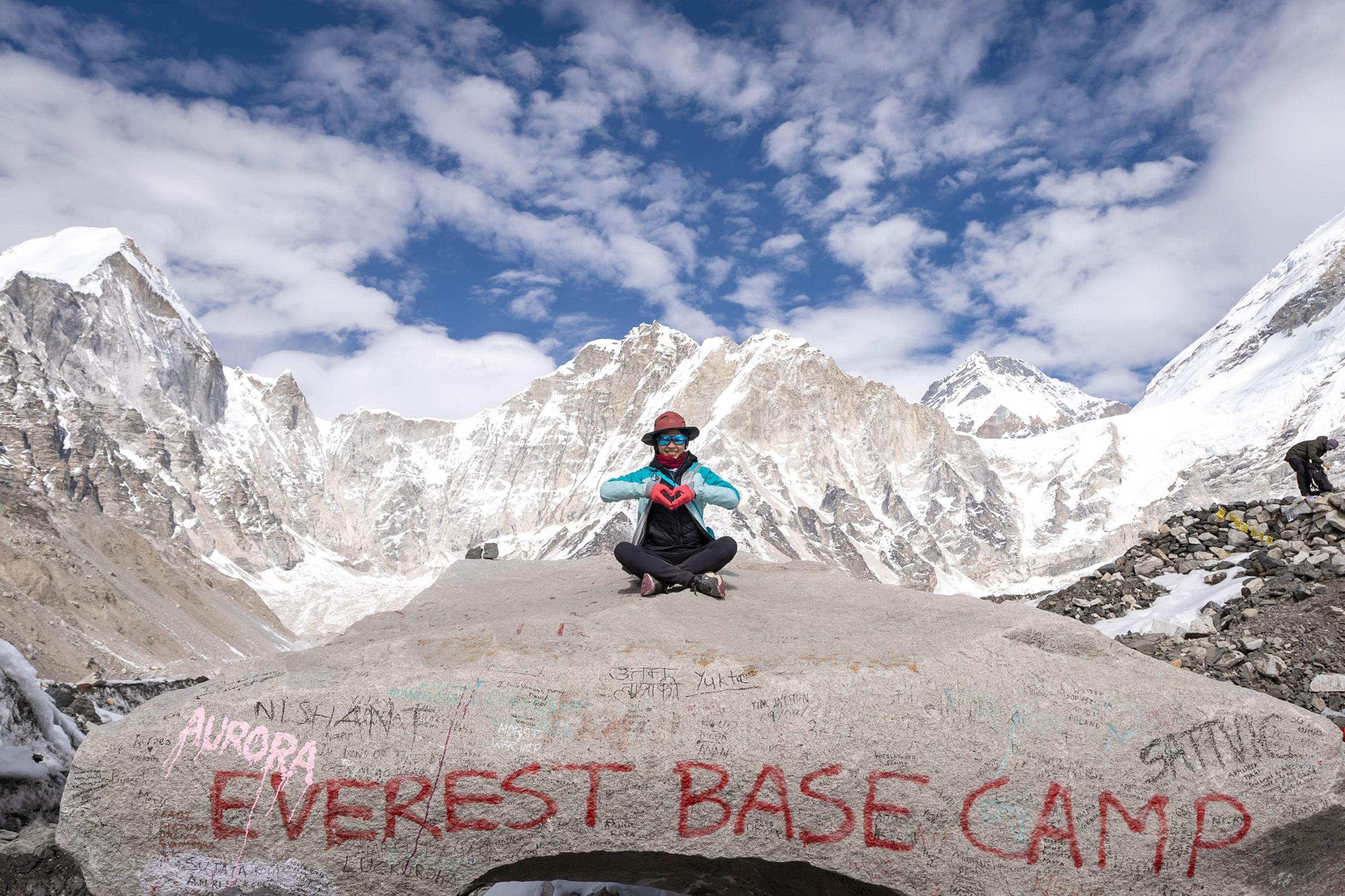
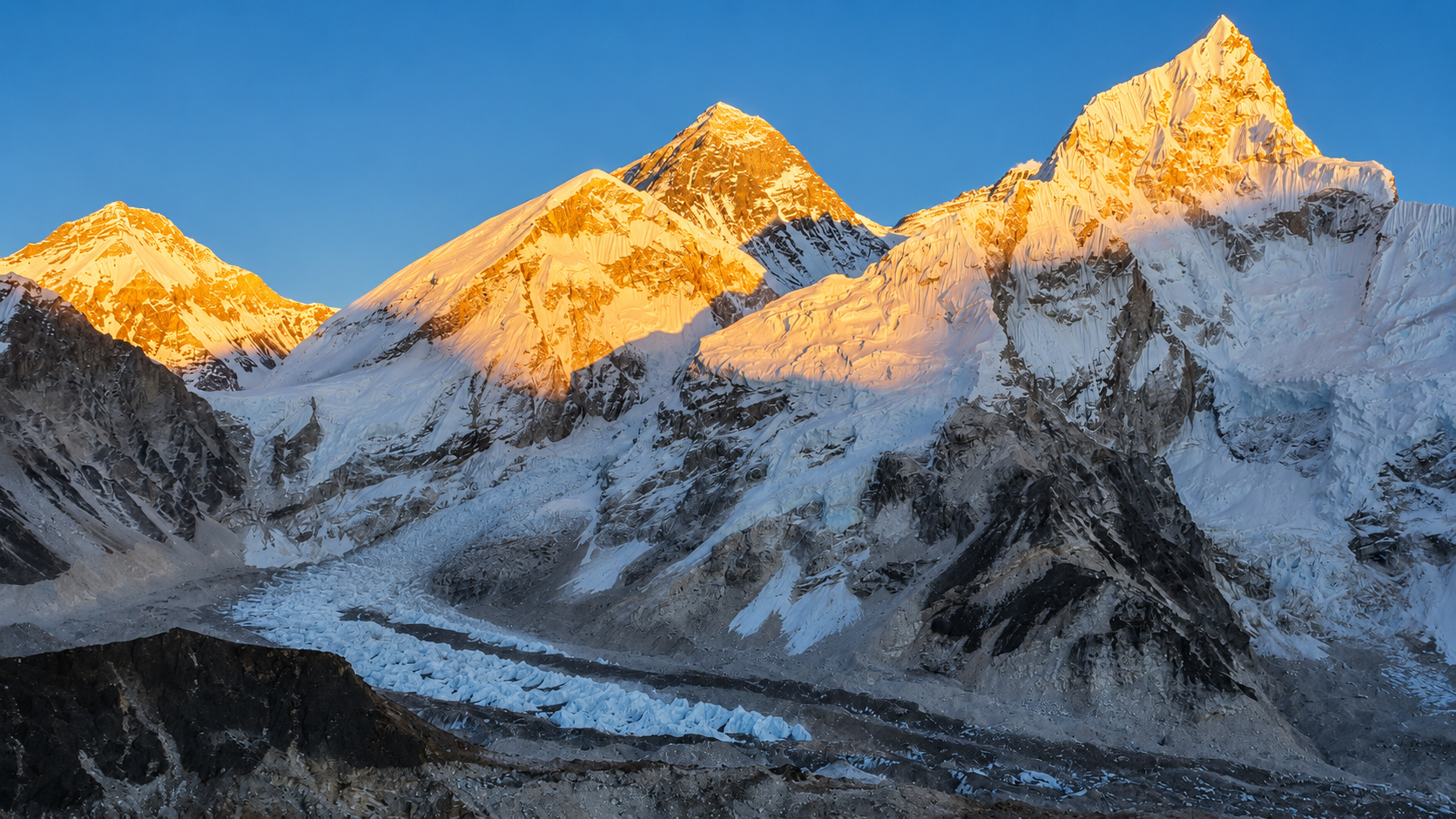
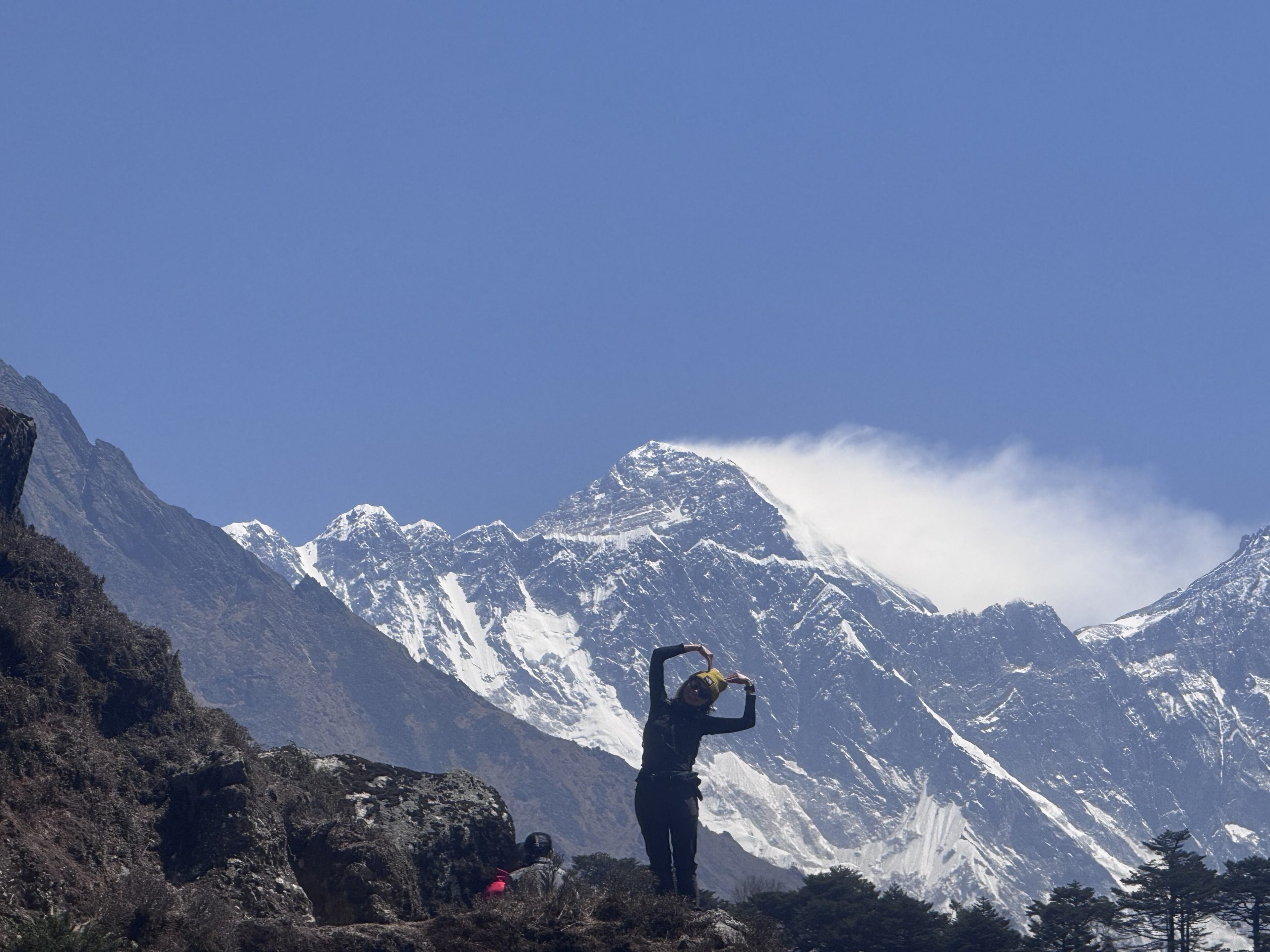
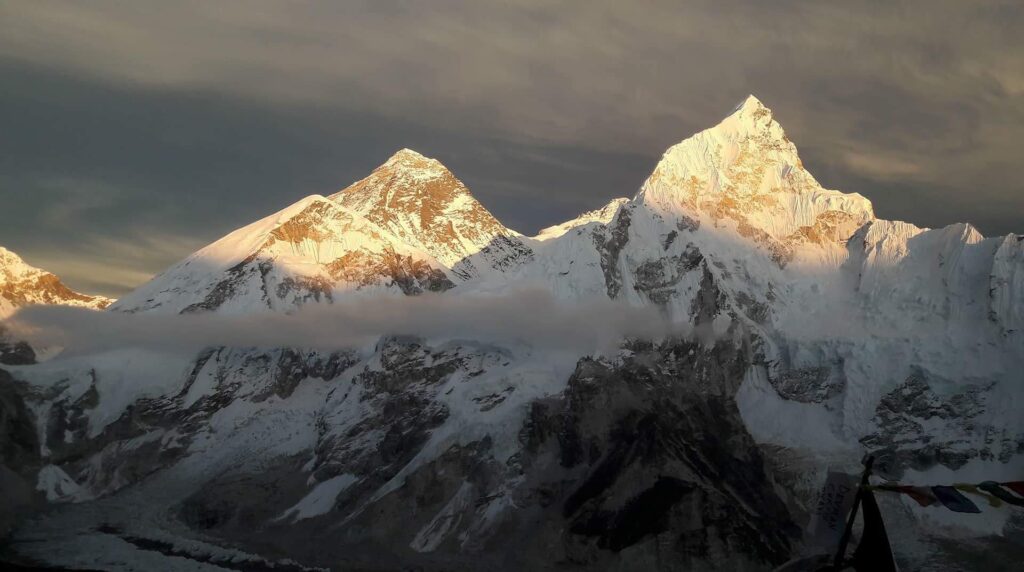
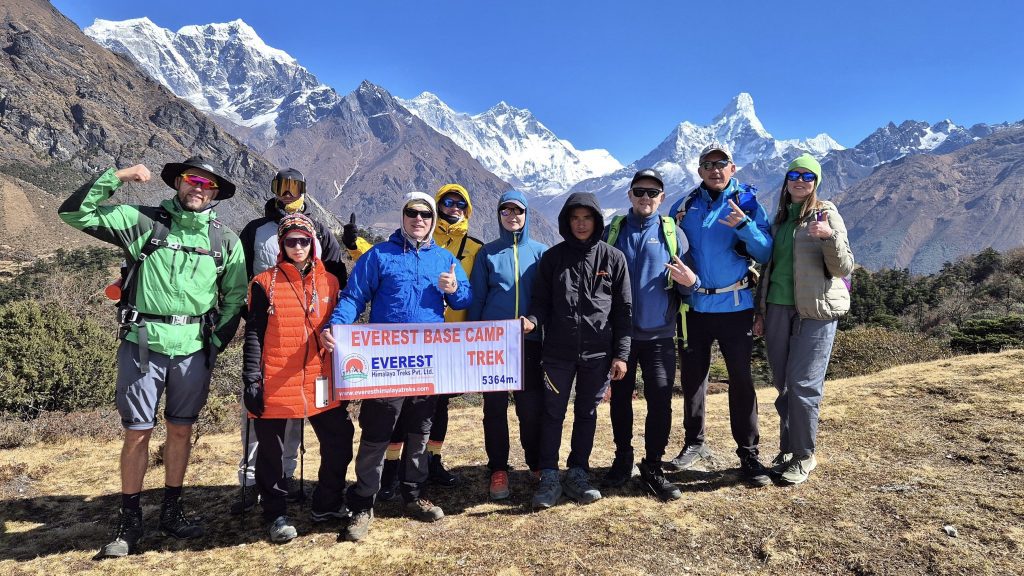
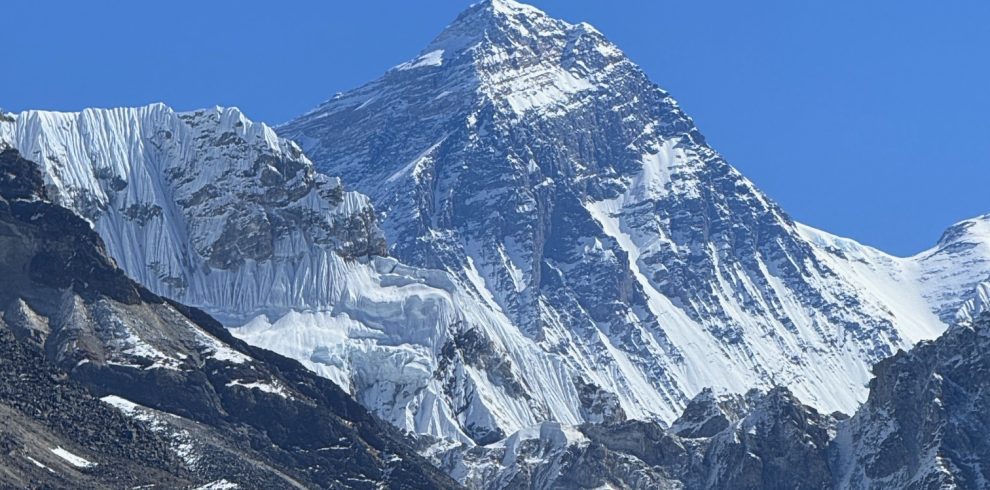
Further along, high-altitude villages like Dingboche and Lobuche offer beautiful landscapes and essential acclimatization before reaching Gorak Shep, the base for your push to the world-famous Everest Base Camp (5,364m). The highlight of the trek is the early-morning climb to Kala Patthar (5,545m), the best vantage point for sunrise views over Everest, Lhotse, and the Khumbu Glacier.
The return journey takes you through peaceful Sherpa settlements, ending in Lukla before flying back to Kathmandu. This 12-day budget-friendly package includes permits, domestic flights, accommodation, a professional Sherpa guide, and all essential logistics—making it an excellent choice for trekkers seeking a safe, well-organized, and cost-effective Everest adventure.
Everest Base Camp Trek Itinerary
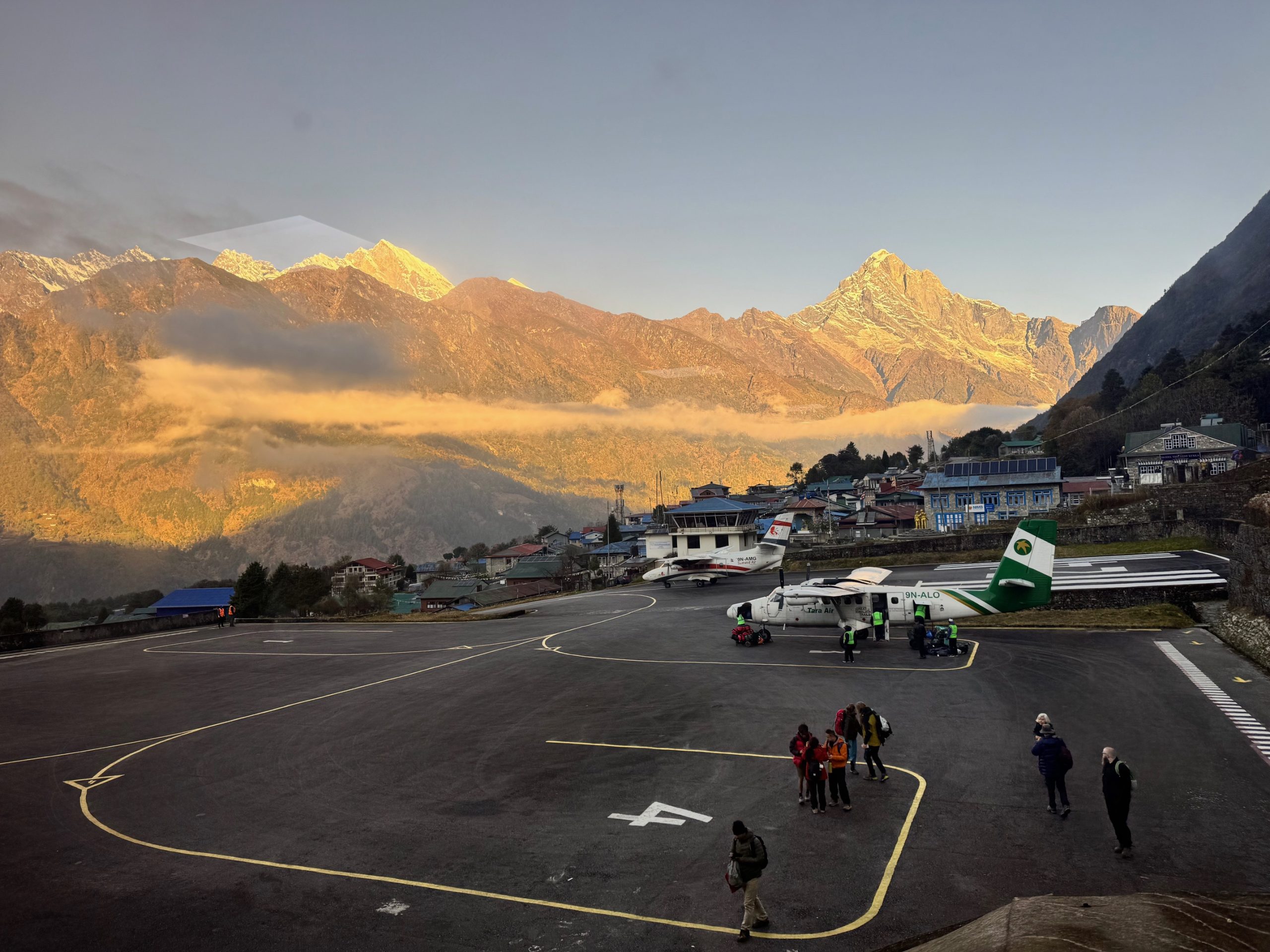
30-minute scenic flight from Kathmandu to Lukla,(2,860 m), trek to Phakding (2,610 m) A short scenic flight from Kathmandu to Lukla marks the start of the adventure. Trek gently downhill to Phakding along the Dudh Koshi River. (3–4 hrs, 8 km)
Phakding (2,610 m) → Namche Bazaar (3,440 m)
The trail follows the Dudh Koshi River, crossing several suspension bridges—including the famous Hillary Bridge—before beginning a steady climb into higher altitude. The ascent is challenging but rewarding, as you enter Namche Bazaar, the vibrant Sherpa capital filled with shops, lodges, and bakeries. Namche is the main trading hub of the Khumbu region and a perfect place to rest and acclimatize.
- Walking Distance: ~11 km
- Trekking Time: 5–6 hours
- Highlights: Suspension bridges, first glimpses of Everest (on clear days), arrival at bustling Namche Bazaar
Acclimatization in Namche (3,440 m)
Spend the day exploring Namche Bazaar, the vibrant heart of the Khumbu region. This rest day is crucial for acclimatization, helping your body adjust to the higher altitude. A short hike to the Everest View Hotel offers stunning panoramas of Everest, Lhotse, and Ama Dablam. You can also visit the Sherpa Museum or wander through Namche’s lively market, filled with shops, cafés, and bakeries.
Highlights: Panoramic mountain views, Sherpa culture, acclimatization day with time to relax and explore
Walking Distance: ~5 km
Trekking Time: 3–4 hours (optional hike)
Namche Bazaar (3,440 m) → Tengboche (3,880 m)
Leaving Namche, the trail winds through pine and rhododendron forests, offering occasional glimpses of Everest and Ama Dablam. After crossing the Dudh Koshi River, a steep climb brings you to Tengboche, home to the famous Tengboche Monastery. This spiritual center is surrounded by breathtaking mountain views, making it one of the most memorable stops on the trek.
- Walking Distance: ~10 km
- Trekking Time: 5–6 hours
- Highlights: Rhododendron forests, panoramic views of Everest and Ama Dablam, visit to Tengboche Monastery
Tengboche (3,867 m) → Dingboche (4,410 m)
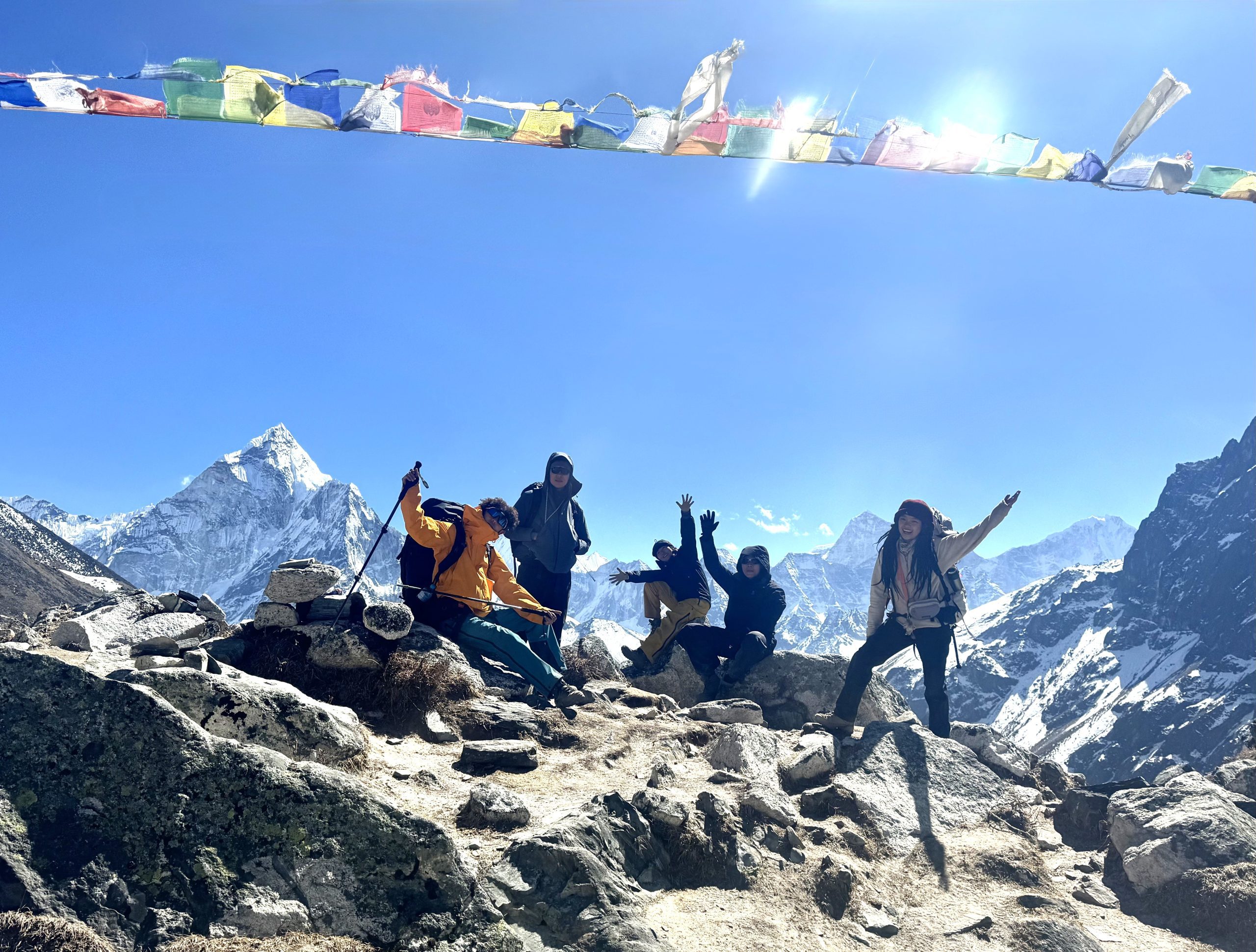
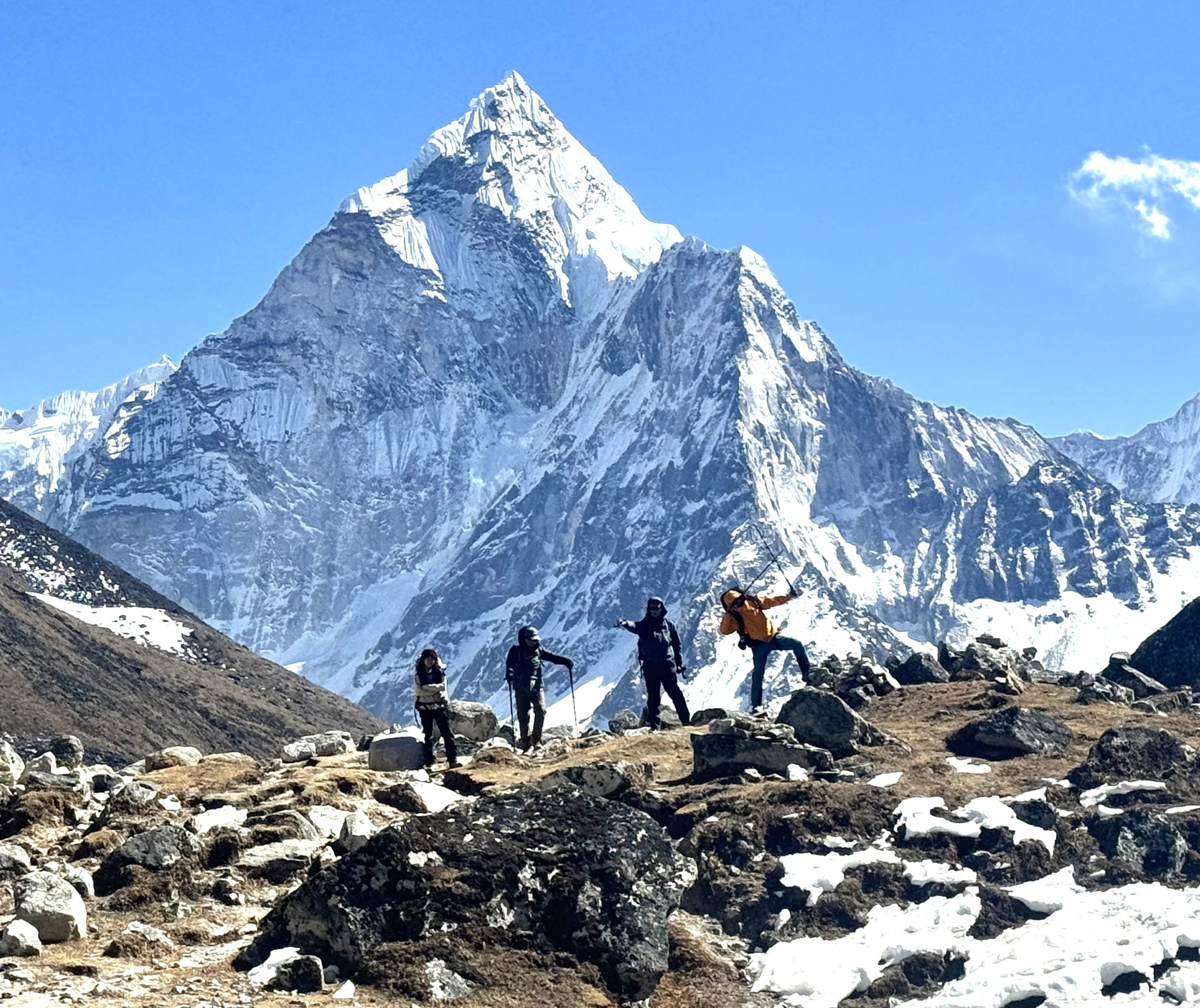
From Tengboche, the trail descends through forests before crossing the Imja Khola River. You’ll then pass through Pangboche village, one of the oldest Sherpa settlements, with its historic monastery. The path gradually ascends across open alpine terrain, with Ama Dablam towering above. Finally, you reach Dingboche, a picturesque village surrounded by stone walls and barley fields, offering expansive views of the Himalayas.
Highlights: Pangboche Monastery, views of Ama Dablam, arrival at Dingboche with its unique high-altitude farming landscape
Walking Distance: ~12 km
Trekking Time: 5–6 hours
Acclimatization in Dingboche (4,410 m)
This is a vital rest day to help your body adjust to the higher altitude. From Dingboche, take a rewarding hike up to Nangkartsang Peak (5,083 m), which offers breathtaking views of Makalu, Ama Dablam, and other towering Himalayan giants. The trail is steep but short, and the panoramic scenery makes the effort worthwhile. After the hike, return to Dingboche to relax, explore the village, and prepare for the next stage of the trek.
Highlights: Panoramic views of Makalu and Ama Dablam, acclimatization at high altitude, time to rest and recharge
Walking Distance: ~5 km (optional hike)
Trekking Time: 3–4 hours
Dingboche (4,410 m) → Lobuche (4,940 m)
Leaving Dingboche, the trail gradually ascends across alpine meadows and rocky terrain. Along the way, you’ll pass the Thukla Pass, where memorials are built in honor of climbers who lost their lives on Everest. This poignant spot offers a moment of reflection amid the dramatic mountain scenery. From here, the path continues steadily upward to Lobuche, a small high-altitude settlement nestled beneath towering peaks.
- Walking Distance: ~11 km
- Trekking Time: 5–6 hours
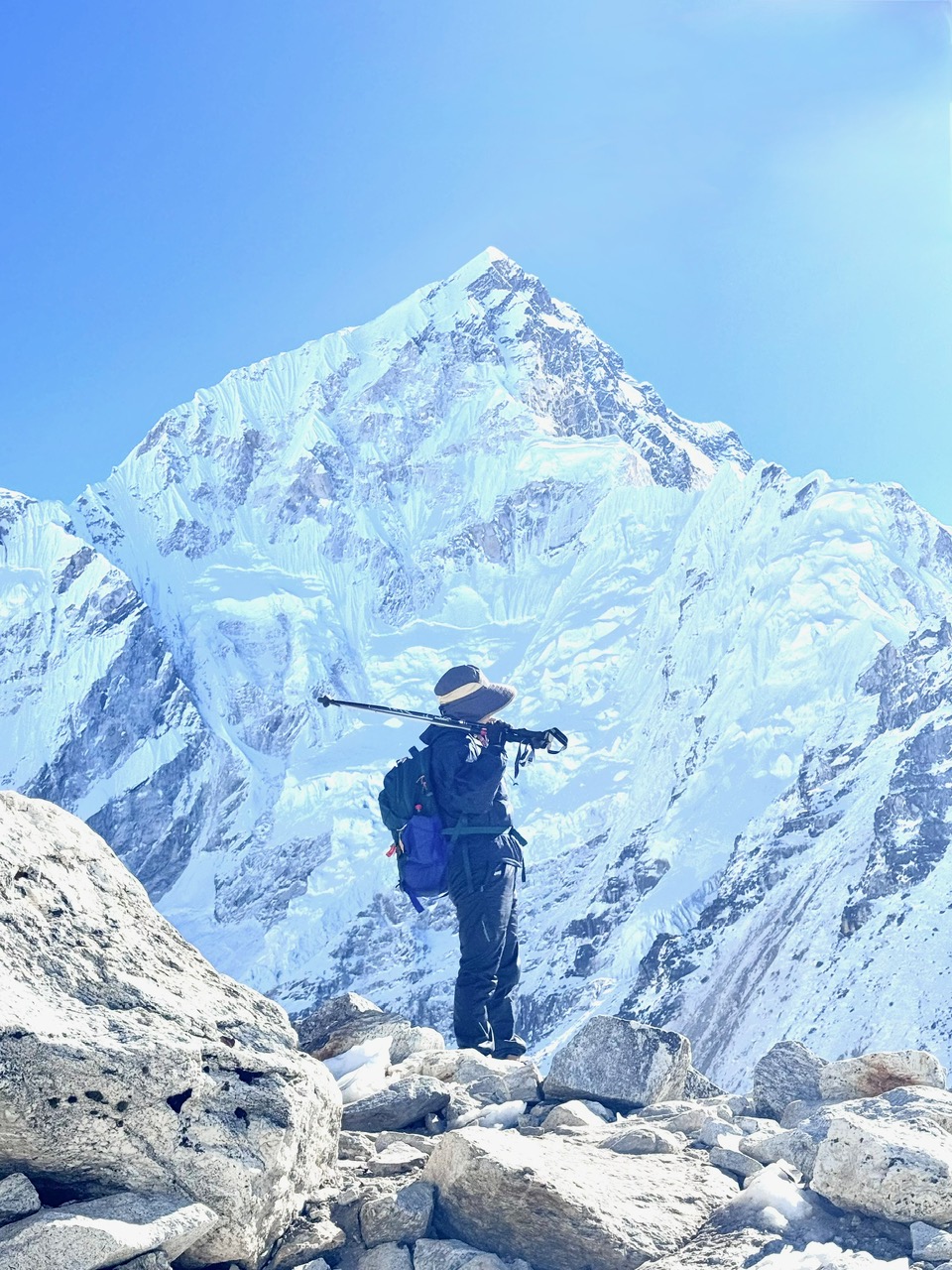
- Highlights: Climbers’ memorials at Thukla Pass, views of Nuptse and Pumori, arrival at Lobuche in the shadow of Everest
Lobuche (4,940 m) → Gorak Shep (5,164 m), Trek to Everest Base Camp (5,364 m)
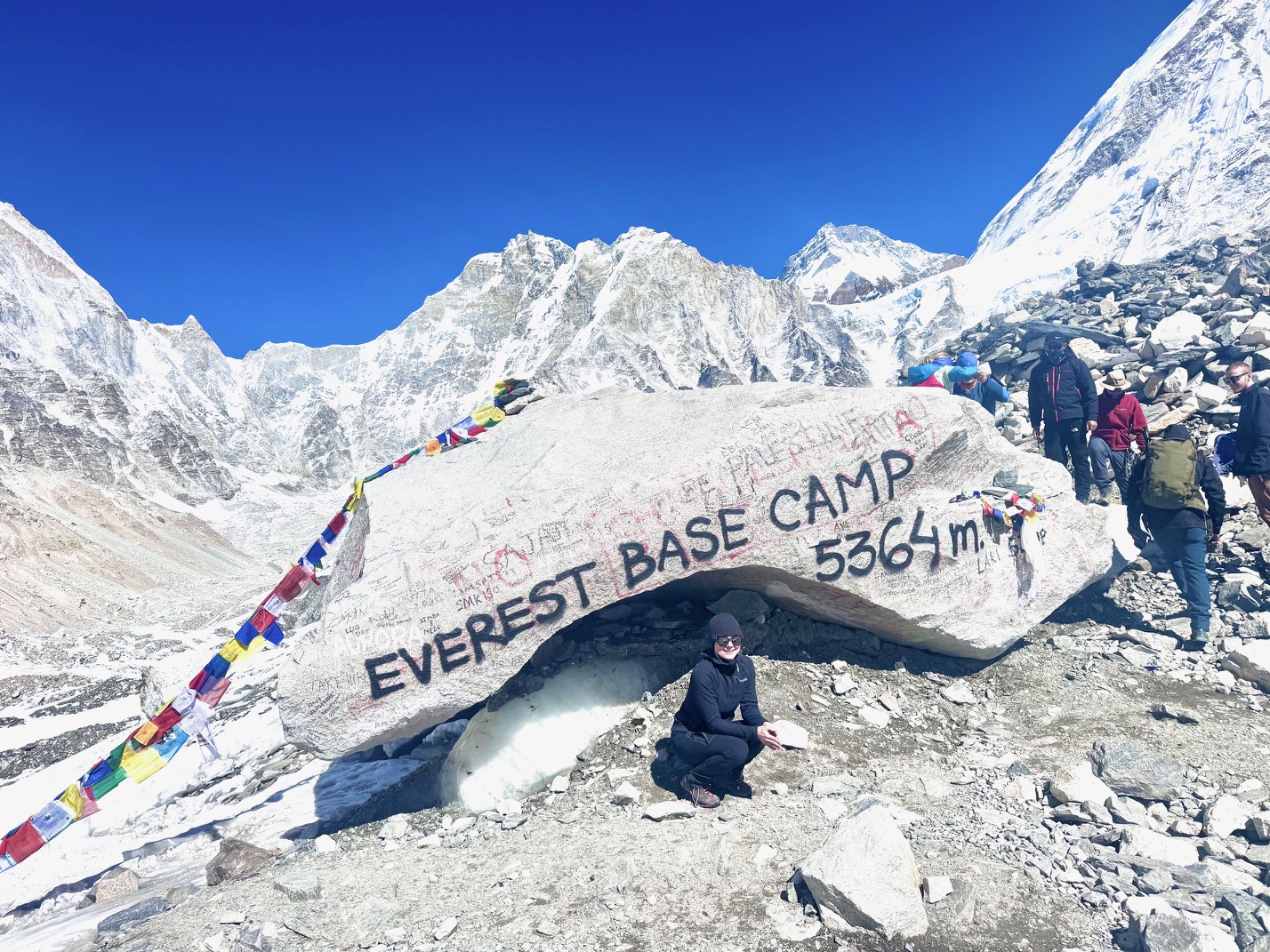
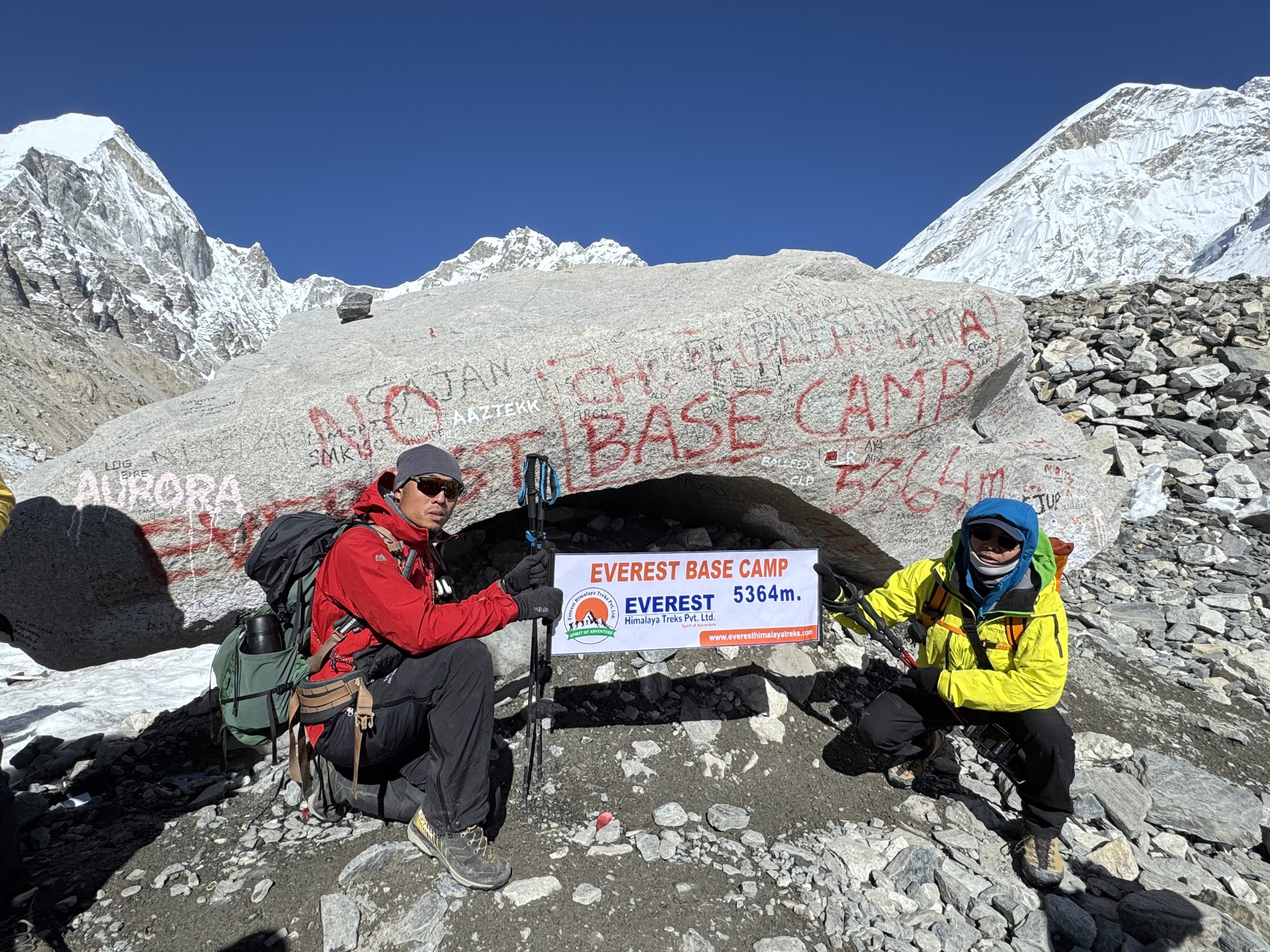
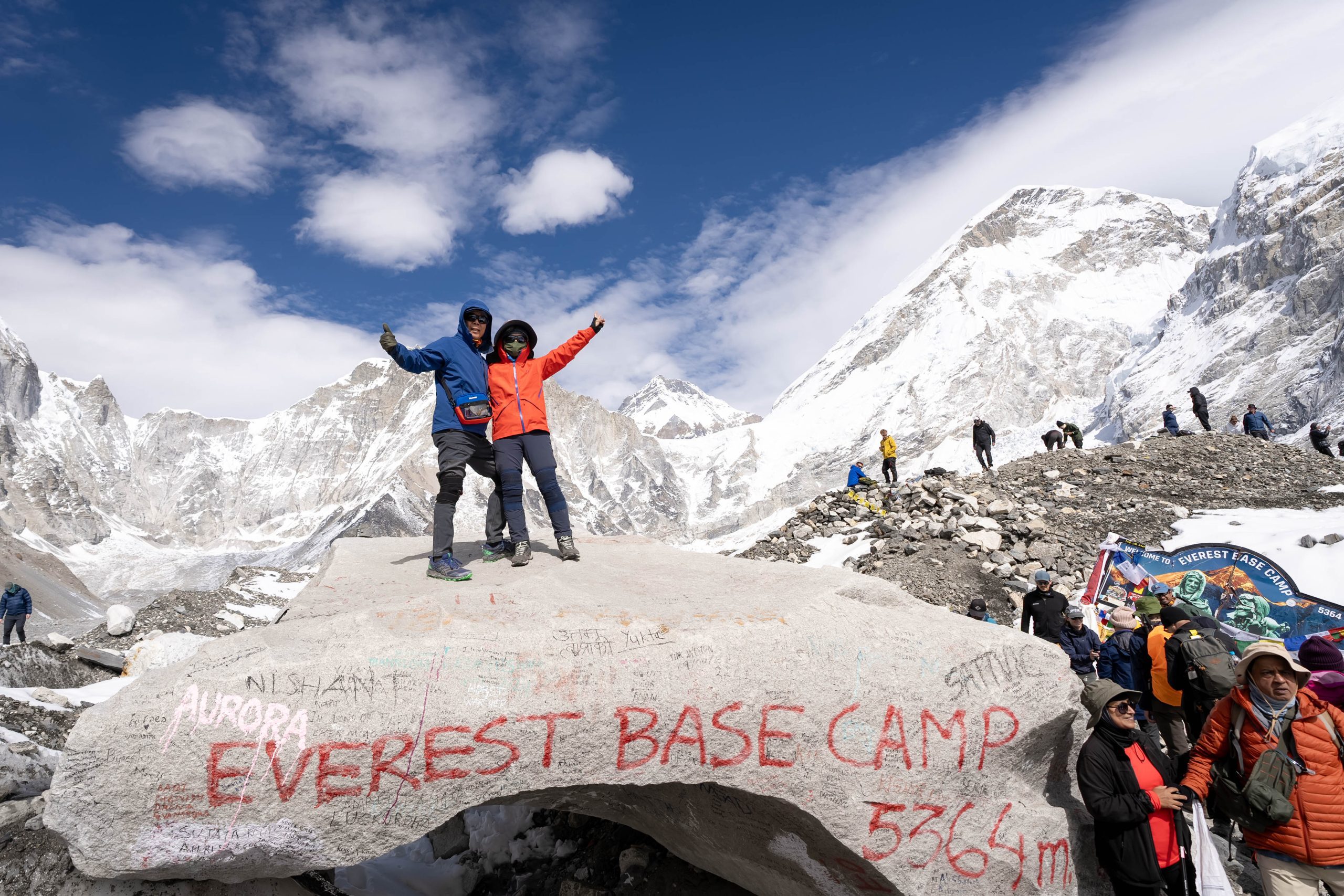
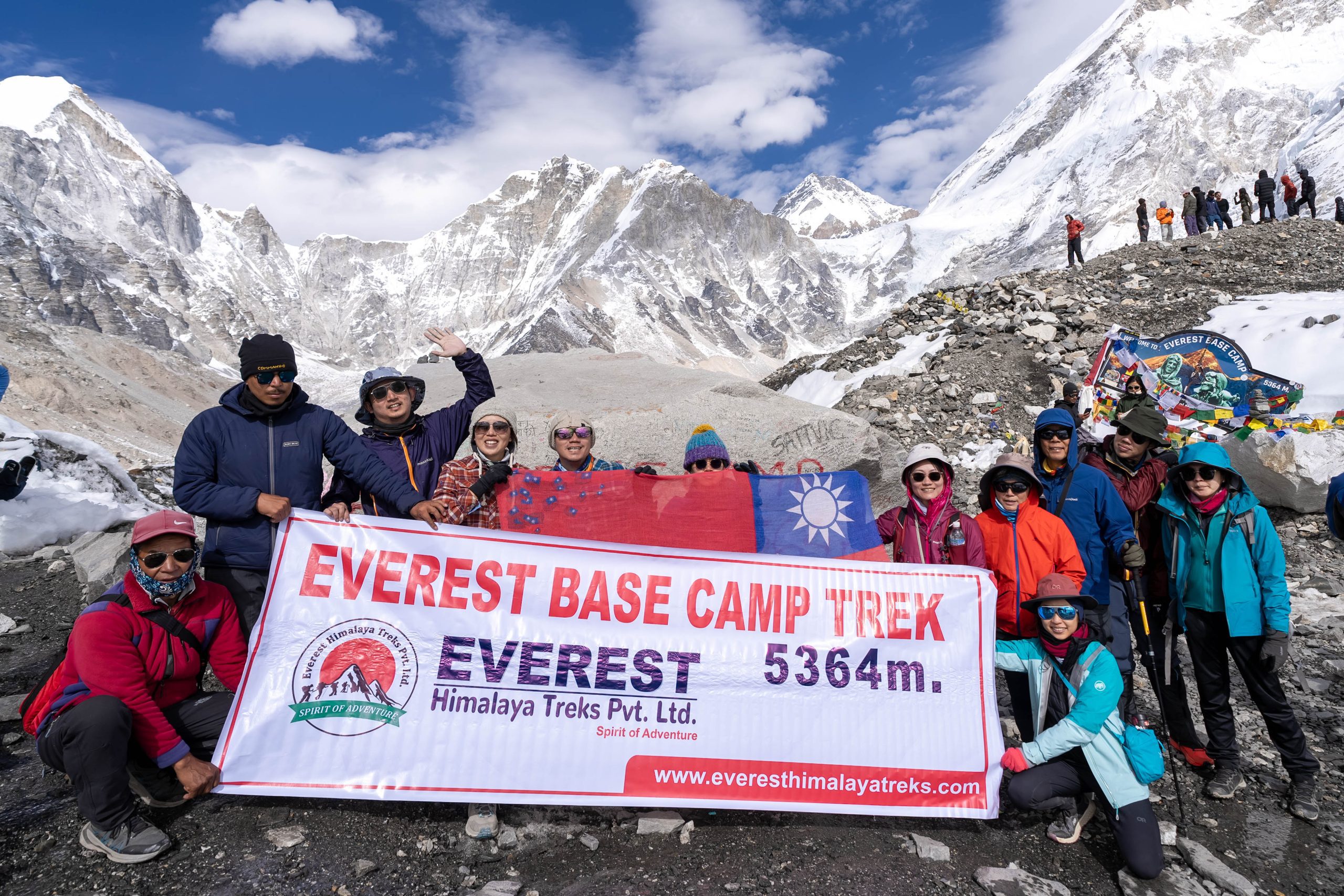
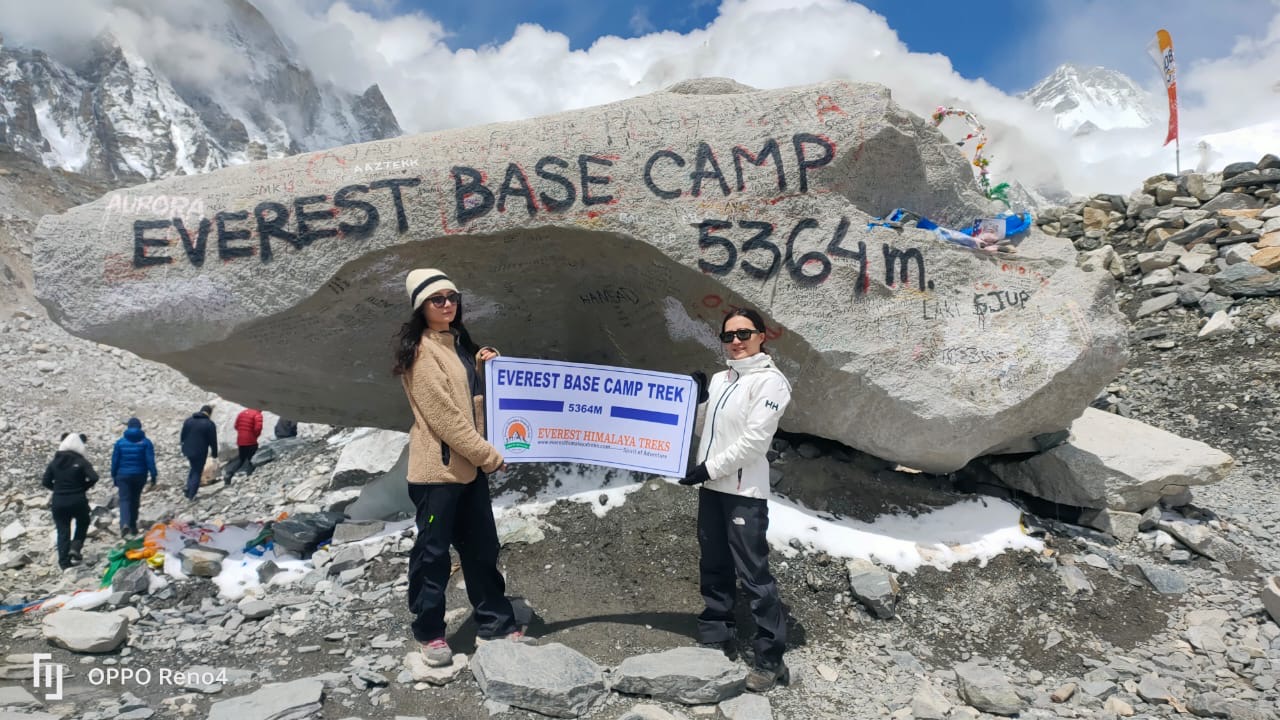
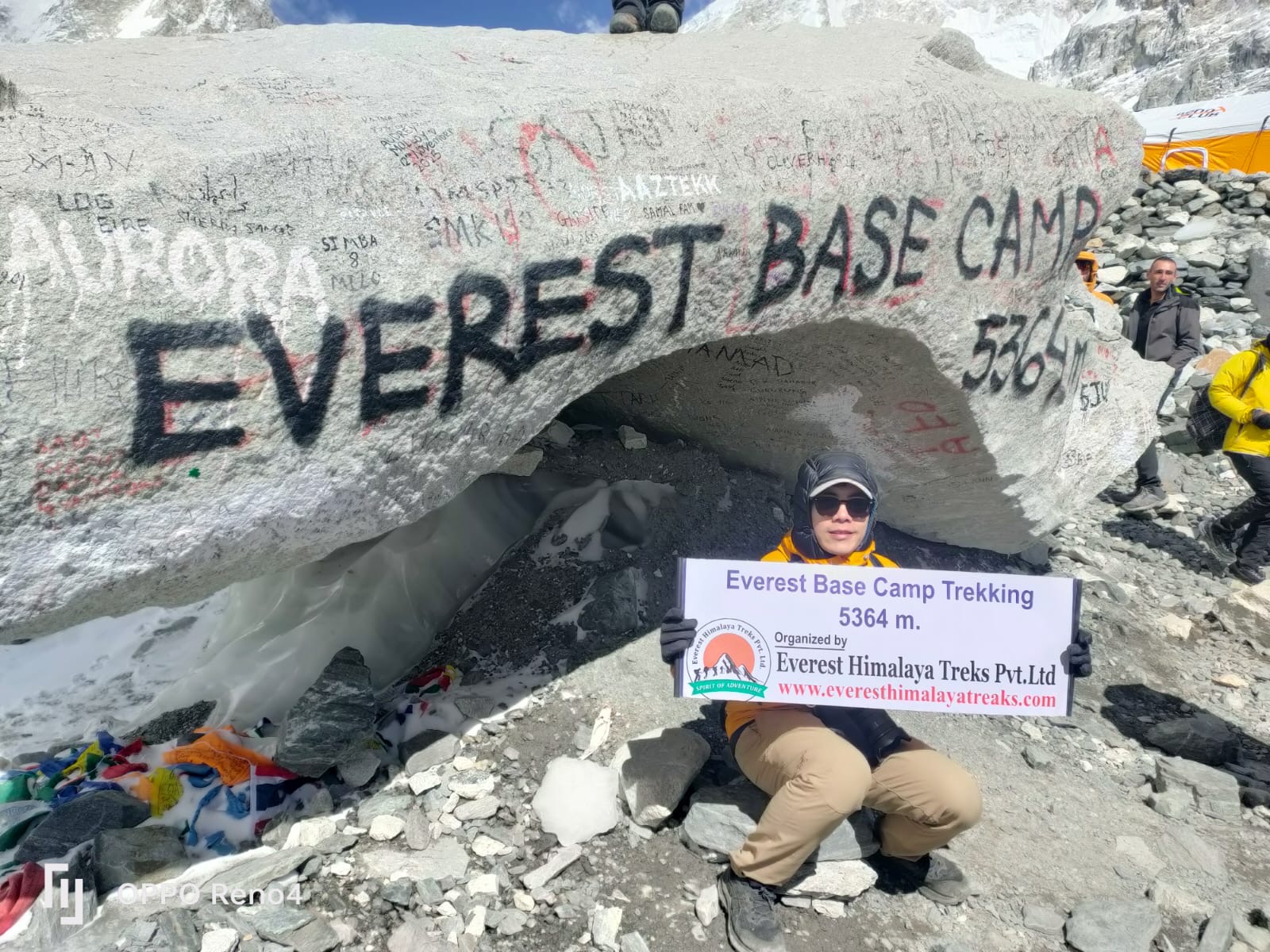
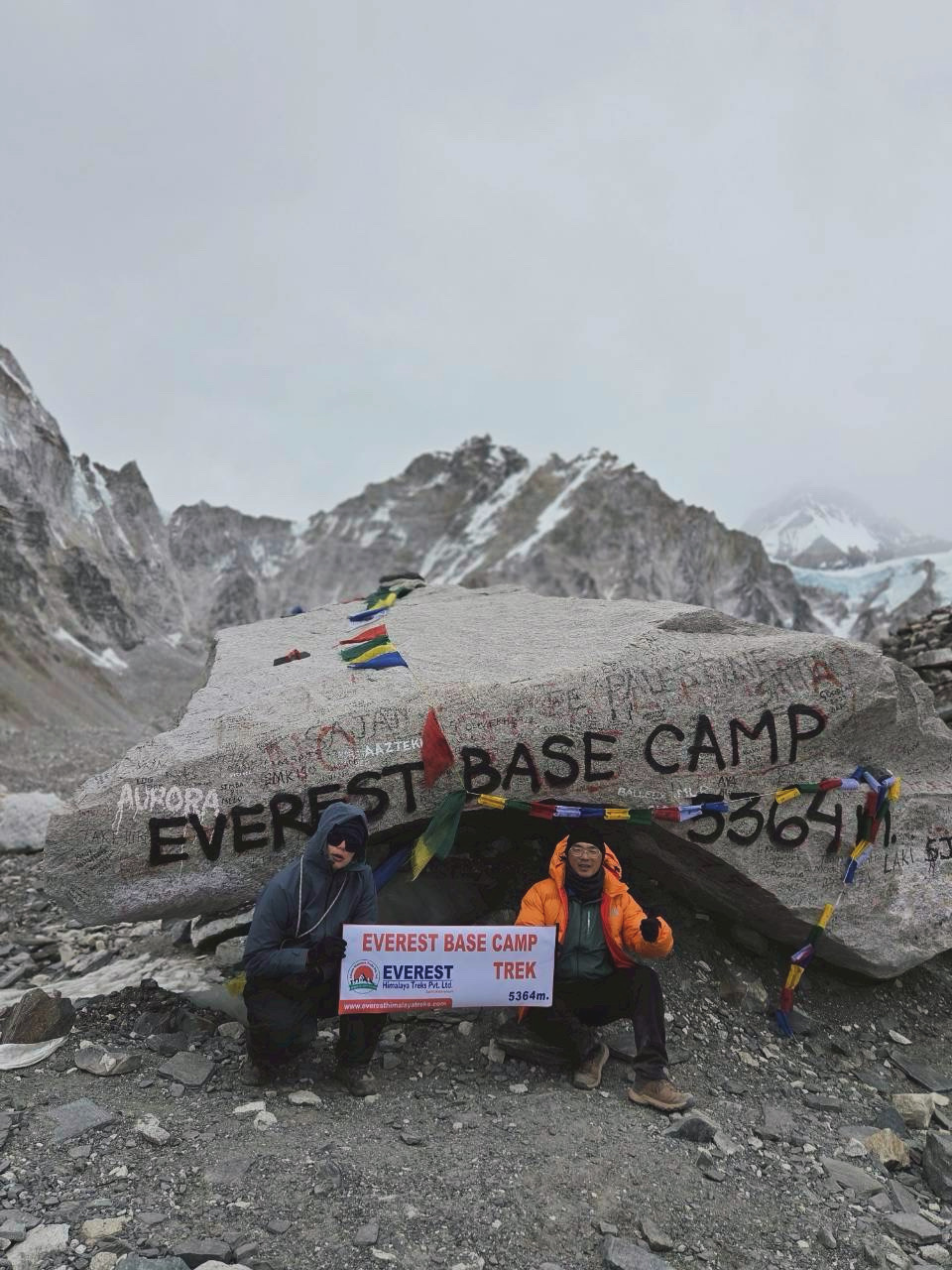
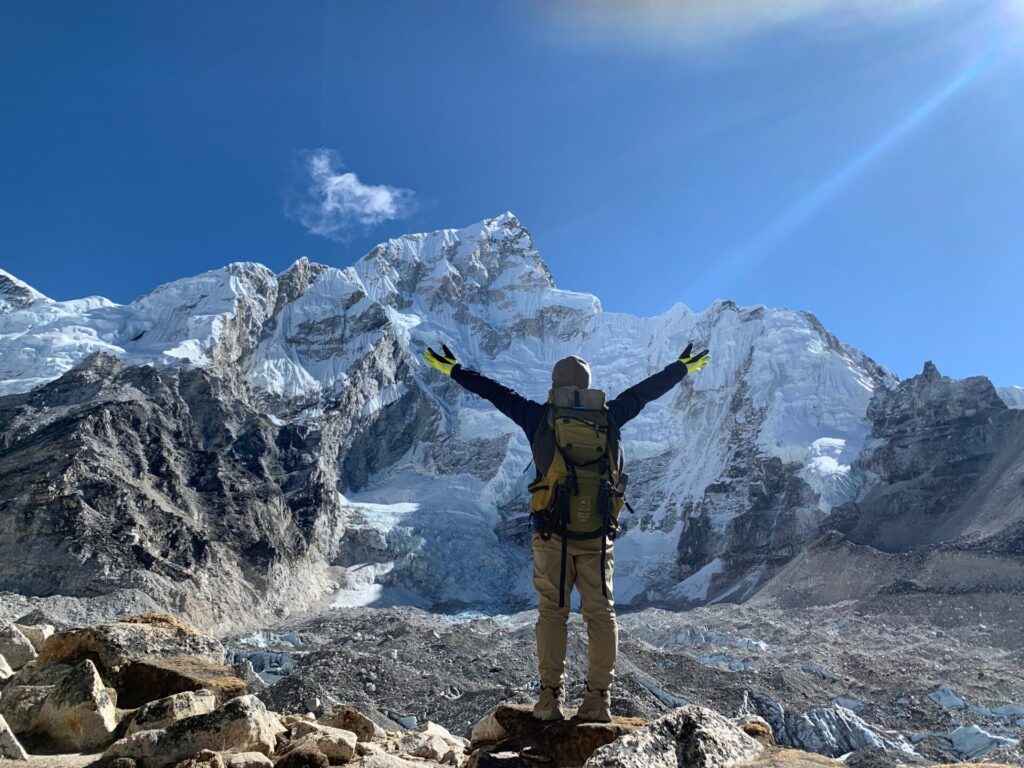
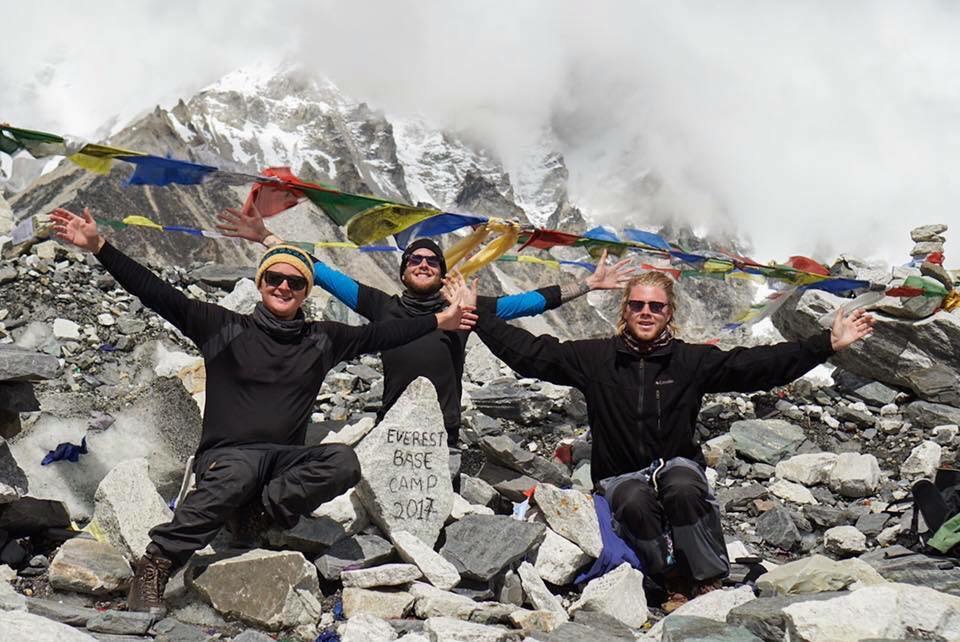
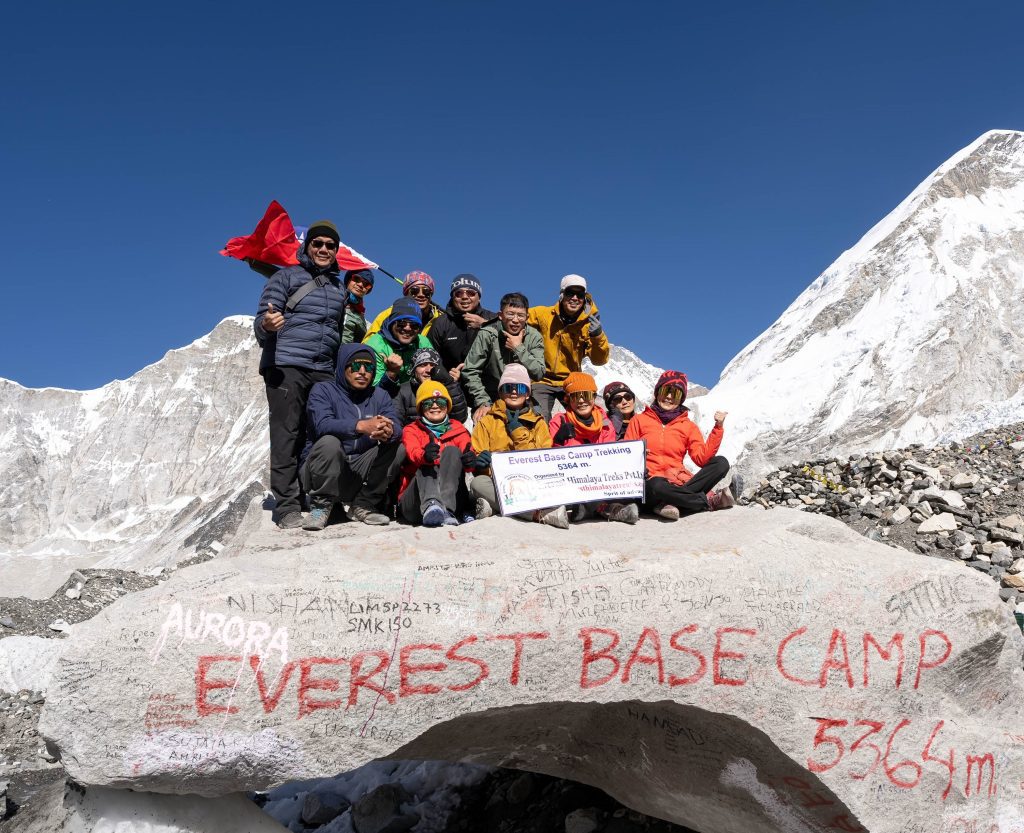
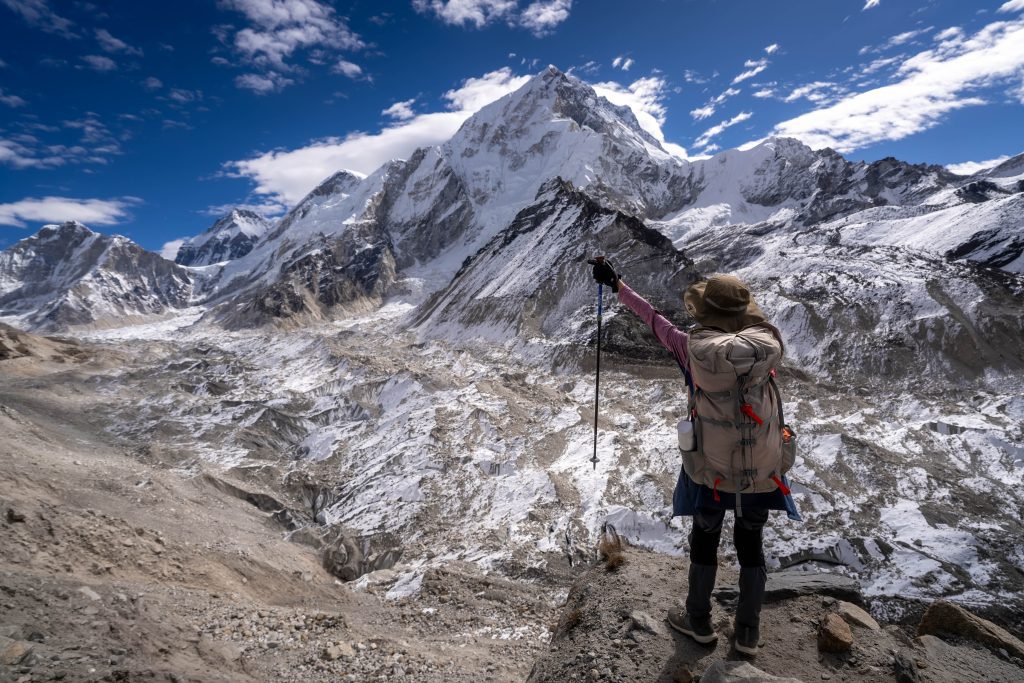
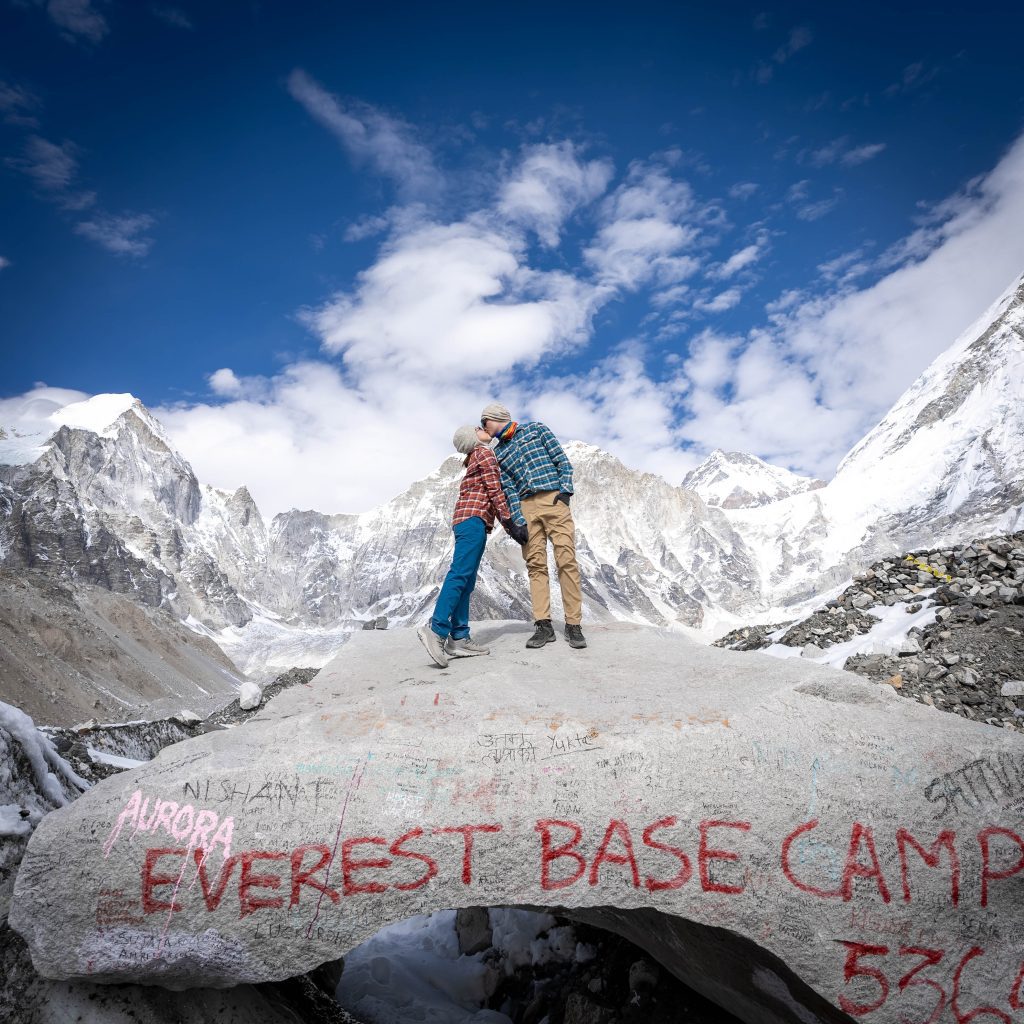
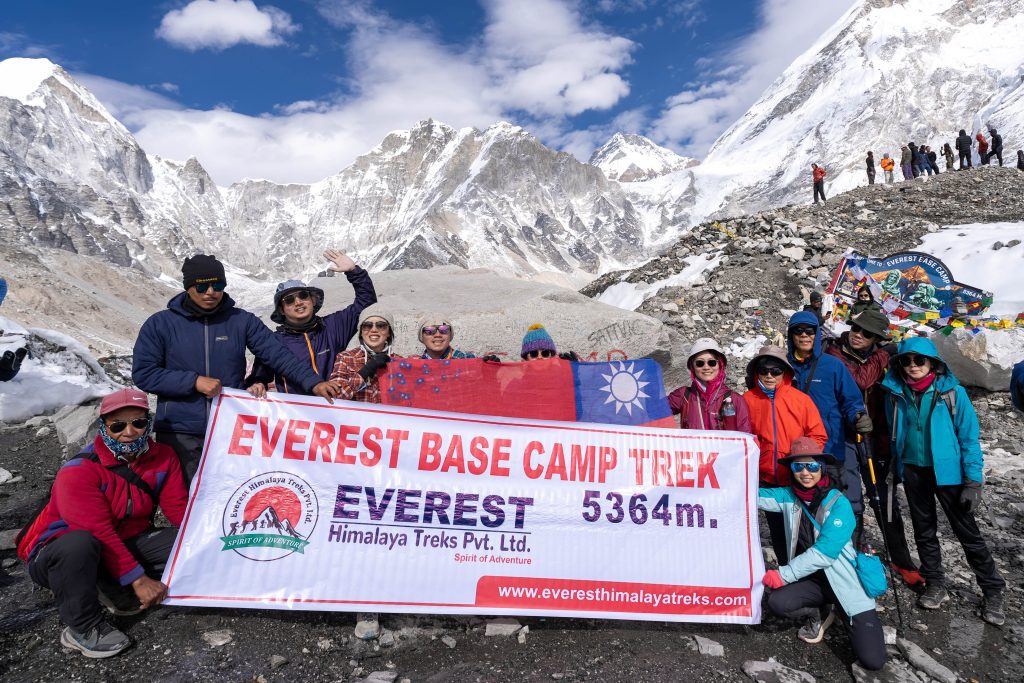
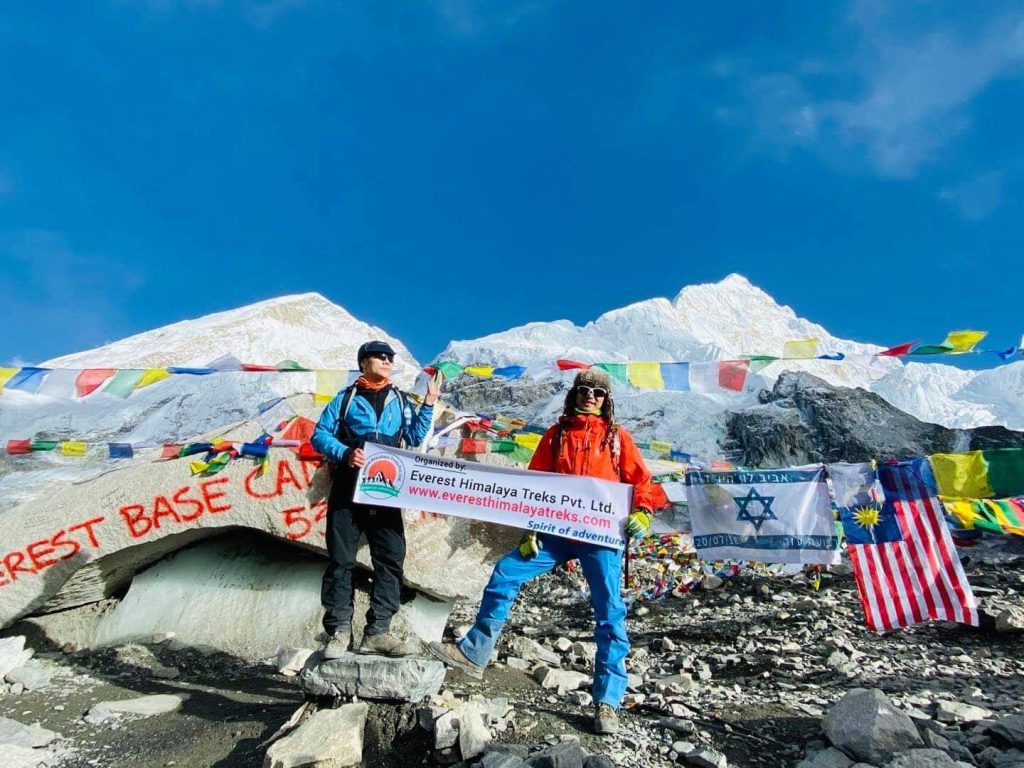
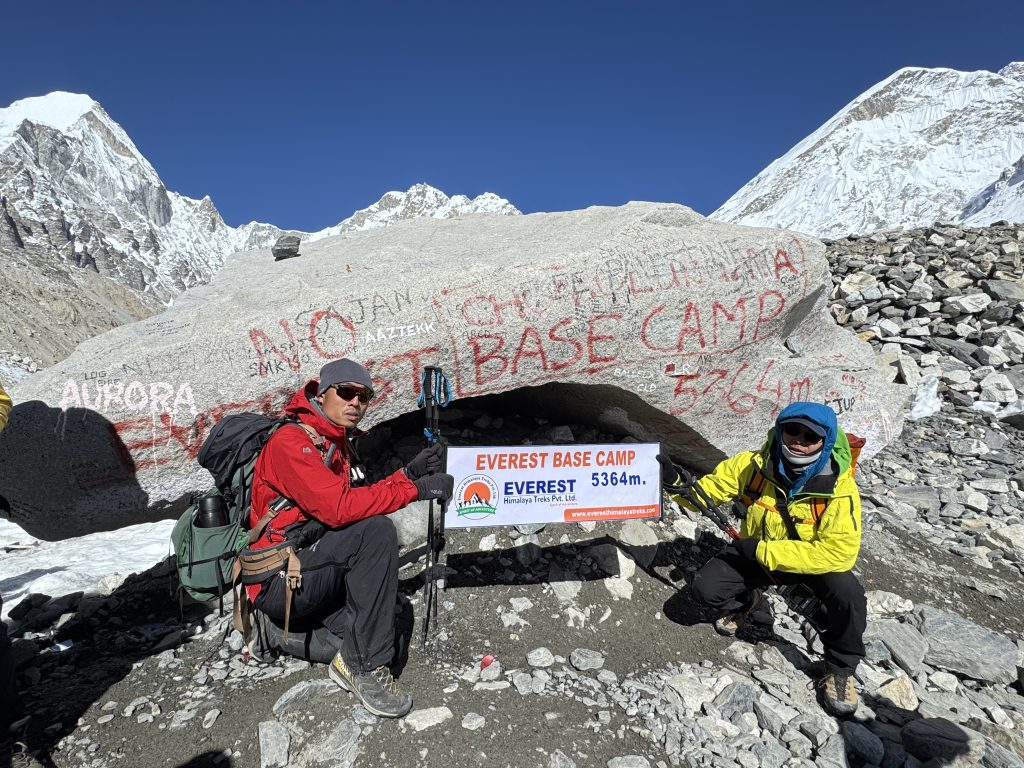
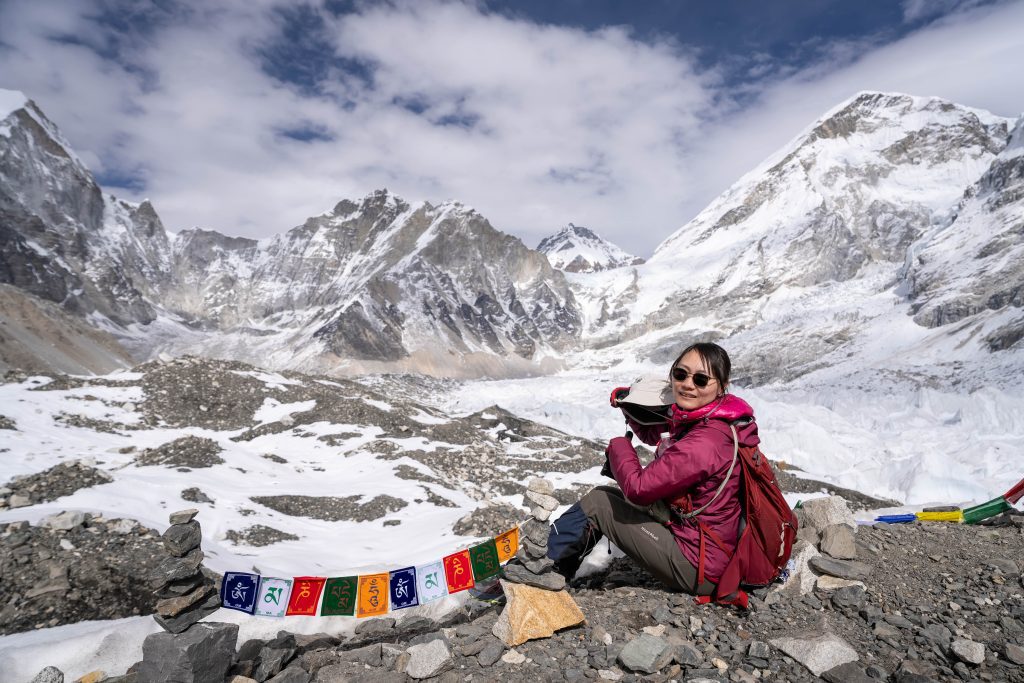
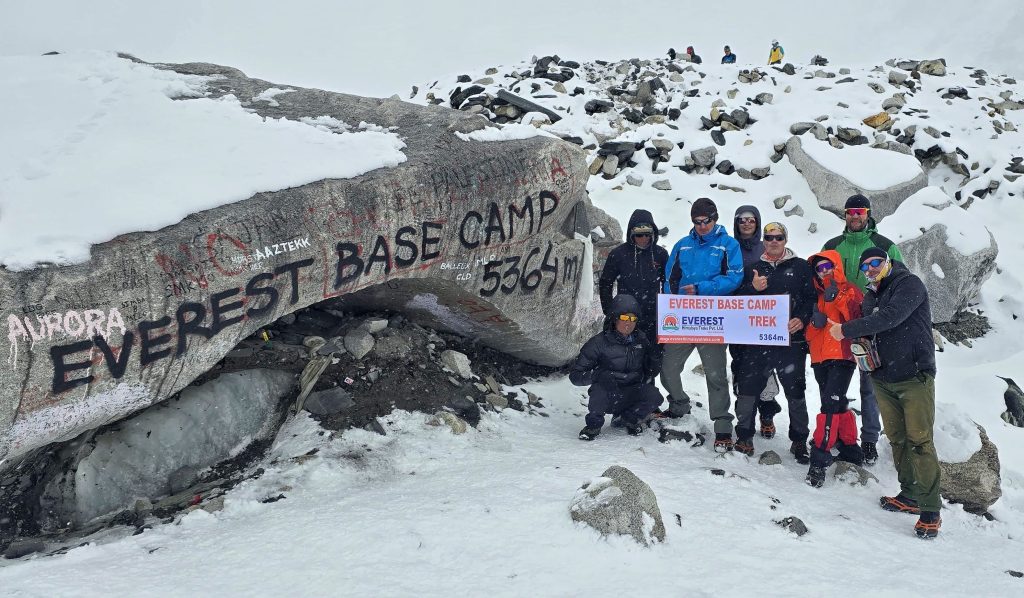
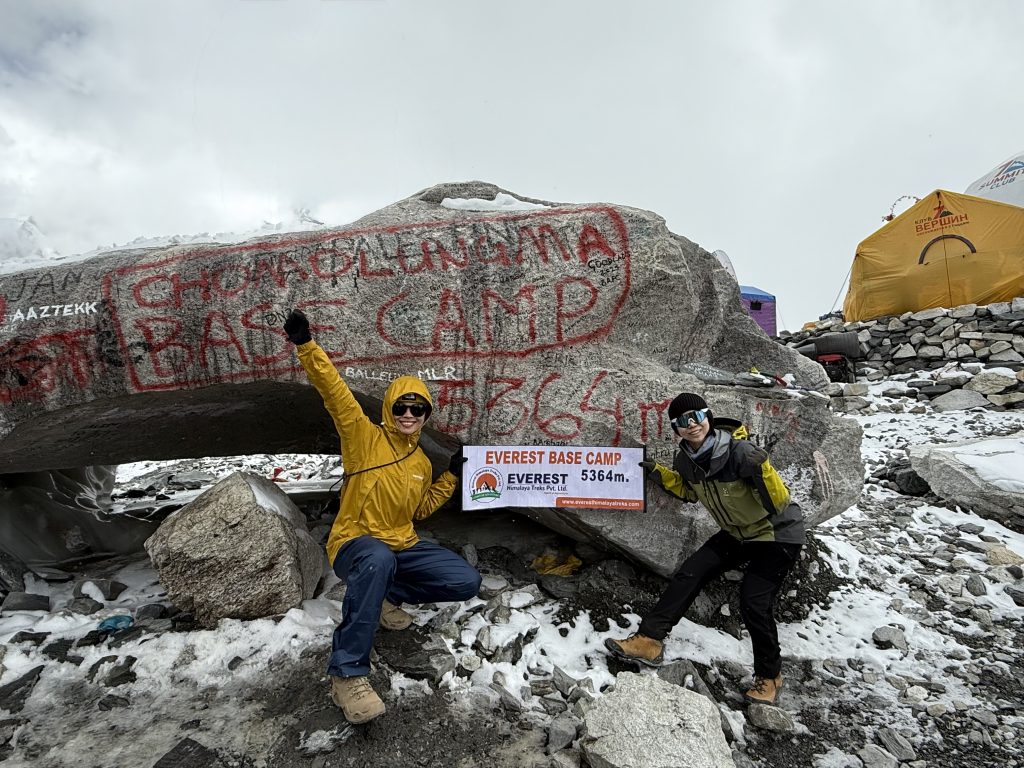
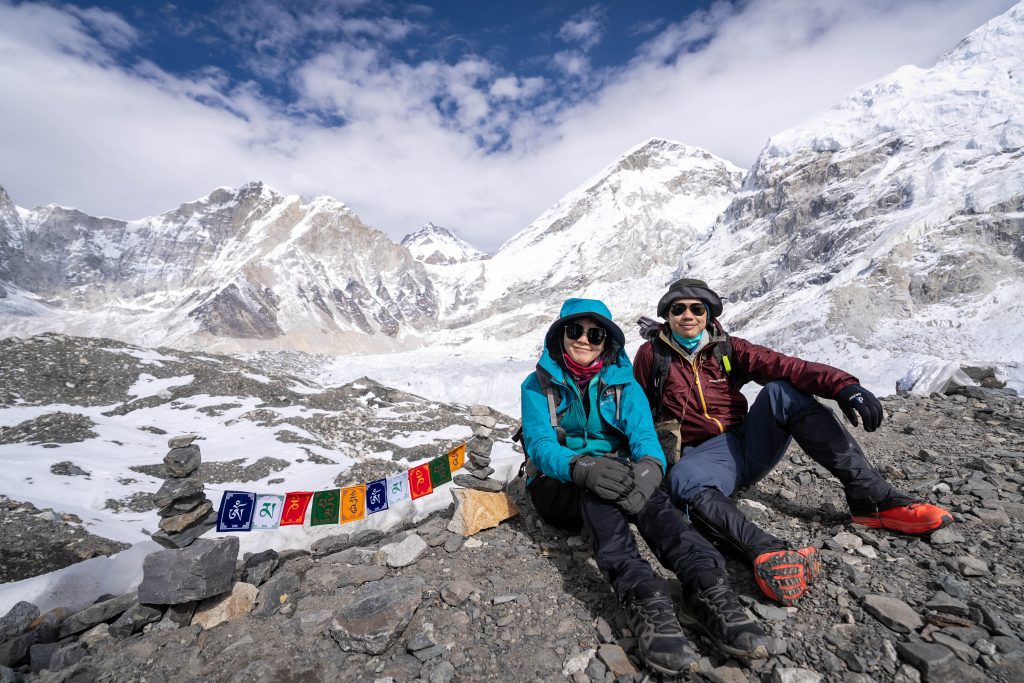
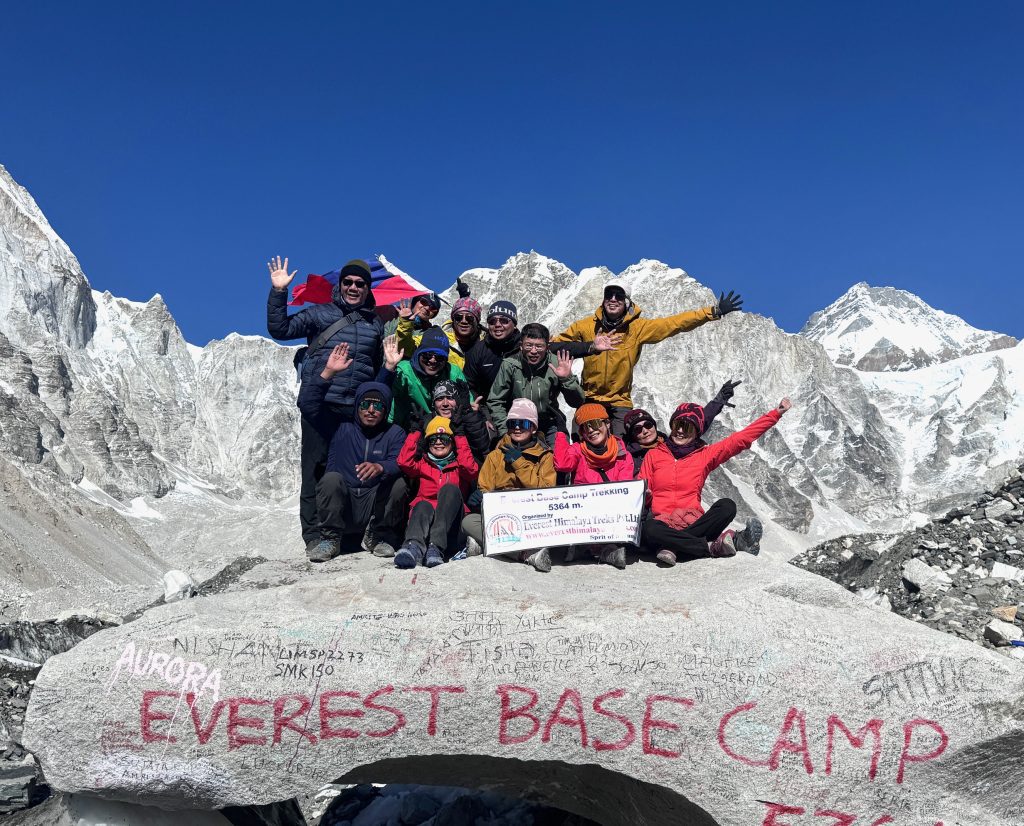
Today is one of the most anticipated days of the entire journey. The trail from Lobuche to Gorak Shep is rugged and winds through glacial moraine, with views of towering peaks like Nuptse and Pumori. After a short rest in Gorak Shep, you continue the final stretch to Everest Base Camp (5,364 m). Standing at the foot of the world’s highest mountain is a truly unforgettable experience, surrounded by icefalls, glaciers, and the immense Khumbu Icefall. After spending time at Base Camp, you return to Gorak Shep for the night.
- Walking Distance: ~15 km
- Trekking Time: 7–8 hours
- Highlights: Arrival at Everest Base Camp, views of the Khumbu Icefall, sense of achievement at reaching the foot of Mount Everest
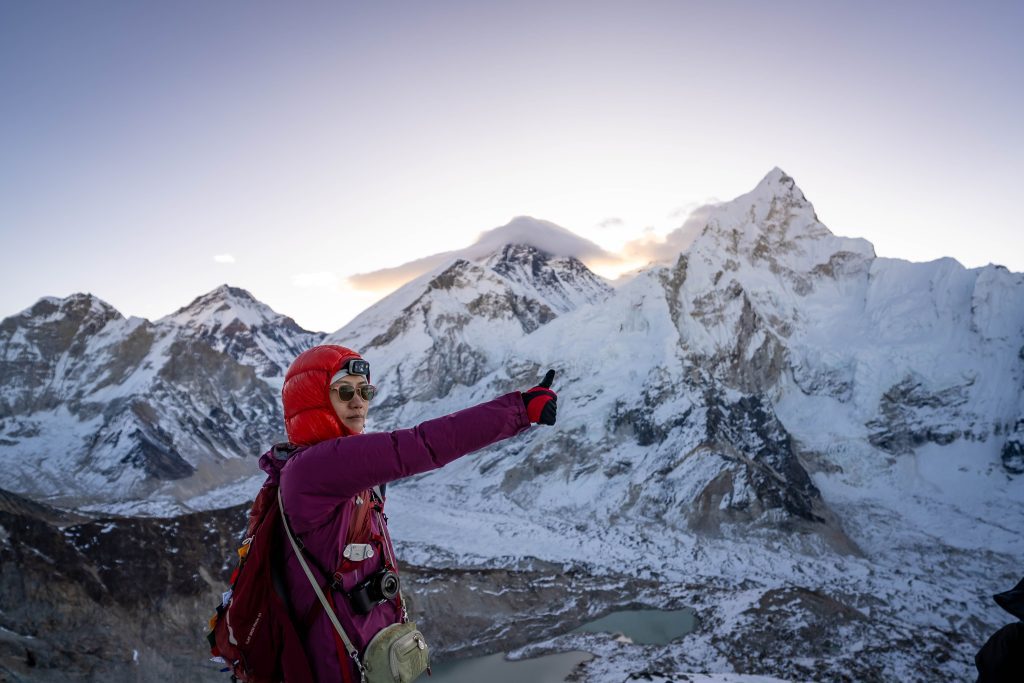
Wake up early for one of the most memorable highlights of the trek. Begin a steep climb to Kala Patthar (5,545 m), the best vantage point for sunrise views of Mount Everest, Lhotse, Nuptse, and the surrounding peaks. After soaking in the panorama, descend back to Gorak Shep for breakfast before continuing downhill through Lobuche and Pheriche, eventually reaching Pangboche (3,940 m), a traditional Sherpa village known for its ancient monastery.
- Walking Distance: ~13 km
- Trekking Time: 6–7 hours
- Highlights: Sunrise over Everest, panoramic Himalayan views, Sherpa culture in Pangboche
Pangboche (3,940 m) → Namche Bazaar (3,440 m)
Retrace your steps down the valley, following the Imja Khola and crossing suspension bridges as you descend into lower altitudes. The trail passes through familiar villages and forests, making the walk easier with warmer air and thicker vegetation. Arriving back in Namche Bazaar, you’ll enjoy the comforts of the bustling Sherpa town after several days in the higher, more remote regions.
- Walking Distance: ~15 km
- Trekking Time: 6–7 hours
- Highlights: Easier walking at lower altitude, lush scenery, return to Sherpa capital with shops and bakeries
Namche Bazaar (3,440 m) → Lukla (2,860 m)
Today is the last full day of trekking. The trail descends steeply through forests, crossing suspension bridges over the Dudh Koshi River. You’ll pass through familiar villages and enjoy the warmer climate as you approach Lukla. This long descent marks the end of your trekking journey, where you can celebrate with your team before the flight back.
- Walking Distance: ~18 km
- Trekking Time: 6–7 hours
- Highlights: Final views of the Khumbu Valley, suspension bridges, and the satisfaction of completing the trek
Fly Back to Kathmandu (1,400 m)
Take the short 30-minute flight from Lukla to Kathmandu. Weather permitting, you’ll enjoy spectacular aerial views of the Himalayas one last time. Upon arrival in Kathmandu, the trek officially concludes, leaving you with unforgettable memories of Everest Base Camp.
- Flight Duration: ~30 minutes
- Highlights: Scenic mountain flight, return to city comforts, end of the adventure
Includes/Excludes
Cost Includes
- Pickup and drop from Kathmandu International Airport
- Flight ticket to Lukla from Kathmandu or Ramechhap, including airport transfer
- All necessary trekking permits for the 12-day Everest Base Camp Trek
- 11 nights’ accommodation during the ebc trek (Twin Sharing Basis)
- Purified drinking water (Ef-Chlor purification tablets)
- Experienced English-speaking Sherpa guide with a complete first-aid kit (Lukla to Lukla)
- 2 clients have 1 porter during your trek with insurance
- Guiding Services: For solo travelers, there is no separate porter. Instead, you are supported by one English‑speaking guide who also acts as a porter and carries your bag (Lukla to Lukla), equipped with a complete first‑aid kit
- Staff insurance, salary, equipment, meals, accommodation, and logistics
- Return flight from Lukla to Kathmandu or Ramechhap, with transportation
- Everest Himalaya Treks Certificate of Achievement (upon request)
- Farewell dinner at a traditional Nepali restaurant in Thamel
- Free luggage storage at Everest Himalaya Treks office during the trek
- Airport transfer service for your final departure
- Everest Himalaya Treks waterproof duffel bag (for use during the trek)
- Sleeping bag provided free for use during the EBC trek.
Cost Excludes
- International Airfare: Flights to and from Nepal
- Nepal Visa Fee: Payable upon arrival at Kathmandu airport
- Travel/Medical Insurance: Mandatory for trekking in high‑altitude regions
- Kathmandu Hotel: Accommodation in Kathmandu before/after the trek, plus all meals
- Optional Porter Service: Available at USD 280 per porter (each porter carries up to 25 kg)
- Personal Expenses: Hot showers, drinks, hot water, Wi‑Fi/data, battery charging, all meals, cold drinks,etc.
- Tips: Gratuities for guide, porter, and trekking staff (expected)
FAQs – Budget EBC Trek – 12 Days
The EBC trek is a moderate to challenging high-altitude trek. No technical climbing is required, but you should be physically fit, able to walk 5–7 hours per day, and comfortable trekking at elevations above 4,000m.
Not mandatory. Many first-time trekkers complete this route successfully. However, previous multi-day hiking experience is helpful.
The maximum elevation is Kala Patthar (5,545m / 18,192ft).
Everest Base Camp is 5,364m / 17,598ft.
Lukla flights can be affected by weather. If delays occur:
We reschedule the flight to the next available time.
You may choose to fly from Ramechhap (seasonal option).
In case of long delays, helicopter options are available at extra cost.
Yes. All trekkers must have travel insurance covering emergency helicopter evacuation up to 5,500m. This is essential for safety.
What kind of accommodation is provided during the trek?
You will stay in local tea houses (twin-sharing rooms). Rooms are basic but clean, with shared bathrooms.
Private rooms and attached bathrooms may be available at additional cost in some places.
Meals in Kathmandu and on the trek are not included in this budget package.
You can buy meals at tea houses (average USD 25–35 per day).
Is drinking water available on the trail? Yes. We provide Ef-Chlor purification tablets, so you can refill your bottle from local taps or tea house water sources safely
A professional English-speaking Sherpa guide is included.
Porter service is optional for USD 220, and one porter can carry up to 25 kg shared between two trekkers.
What should I pack for the trek?
We provide a sleeping bag and a waterproof duffel bag.
You need personal clothing, trekking boots, warm layers, headlamp, gloves, hat, water bottle, and basic toiletries.
A full packing list can be provided upon request.
Yes, but the itinerary includes two acclimatization days (Namche & Dingboche).
Your guide is trained to manage altitude issues and carries a complete first-aid kit.
The best trekking seasons are:
- Spring: March–May
- Autumn: September–November
Winter trekking is possible but colder.
Most trekkers bring USD 250–350 for meals, hot showers, battery charging, Wi-Fi, and personal expenses.
Bring small denominations (100s, 50s, 20s).
No, these are personal expenses and must be paid at the tea houses (USD 2–5 per service depending on location).
Yes! We provide an Everest Himalaya Treks Certificate of Achievement upon request.
Yes. We have fixed group departures and can also arrange private treks for individuals, couples, friends, or families.
Yes. We offer free luggage storage at our office during the trek.
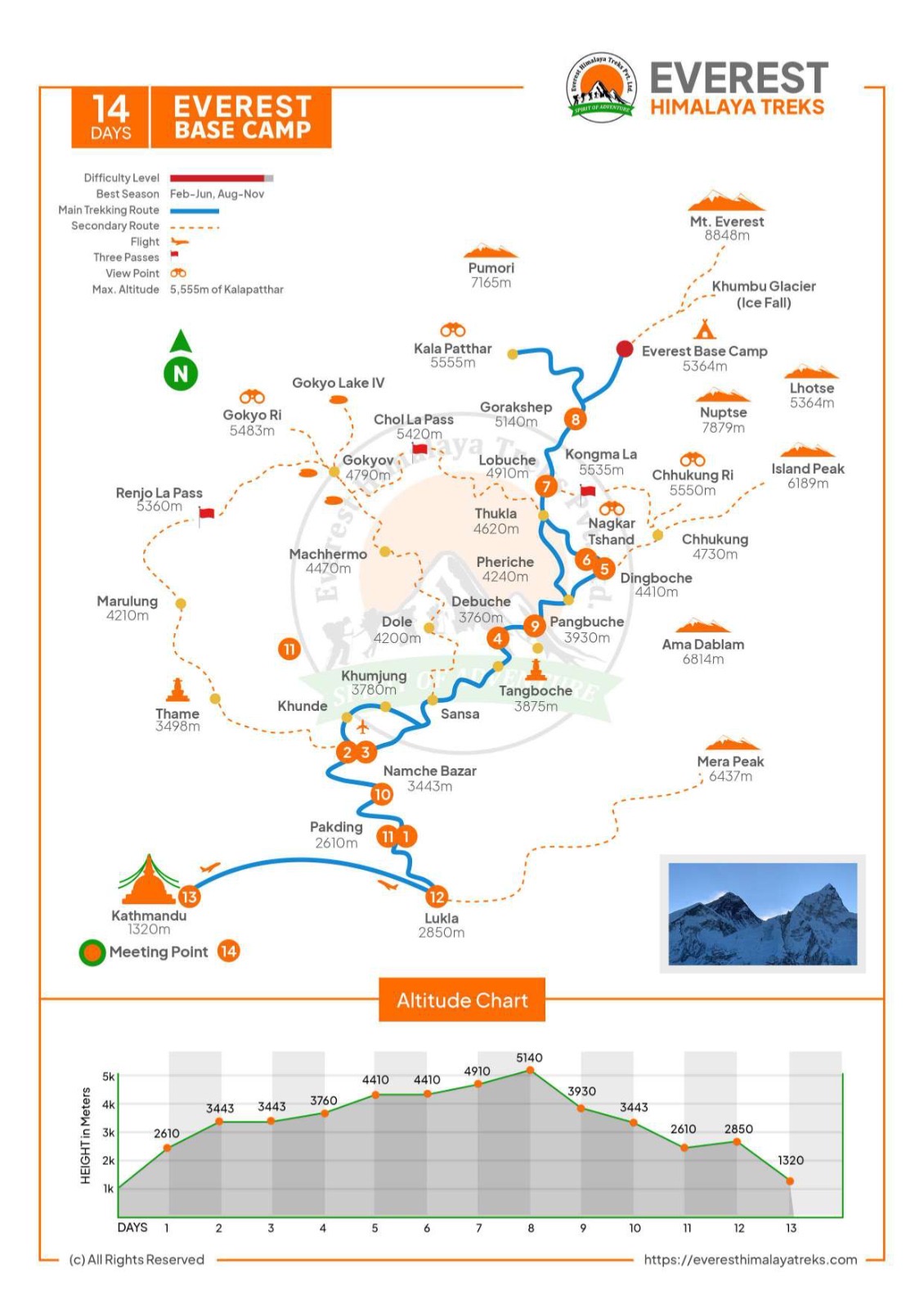
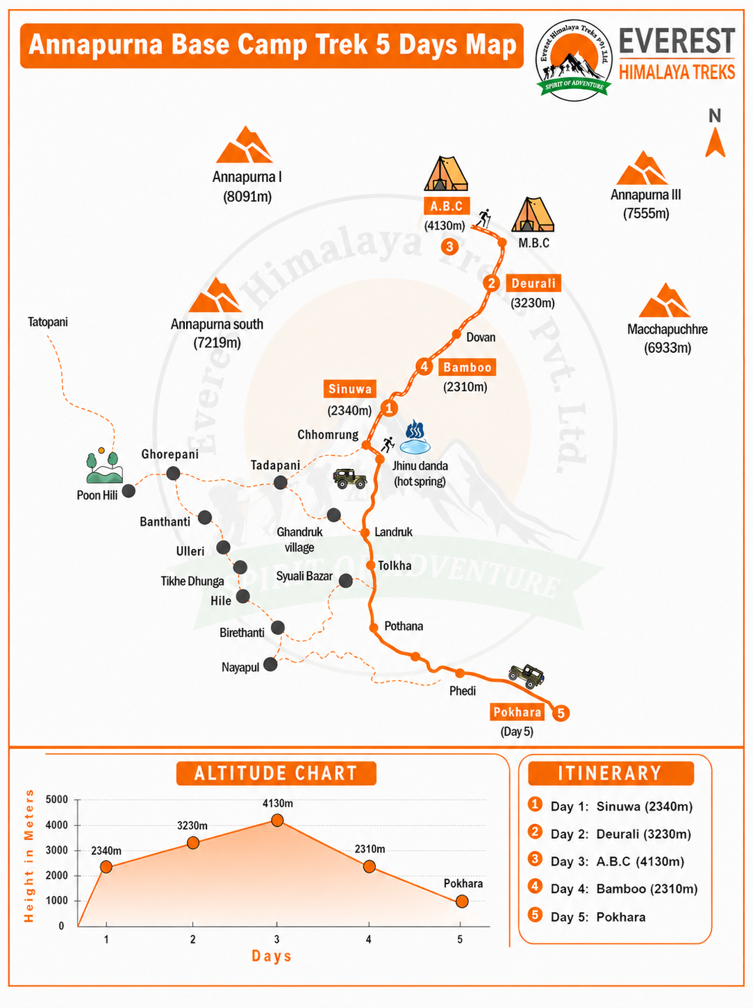
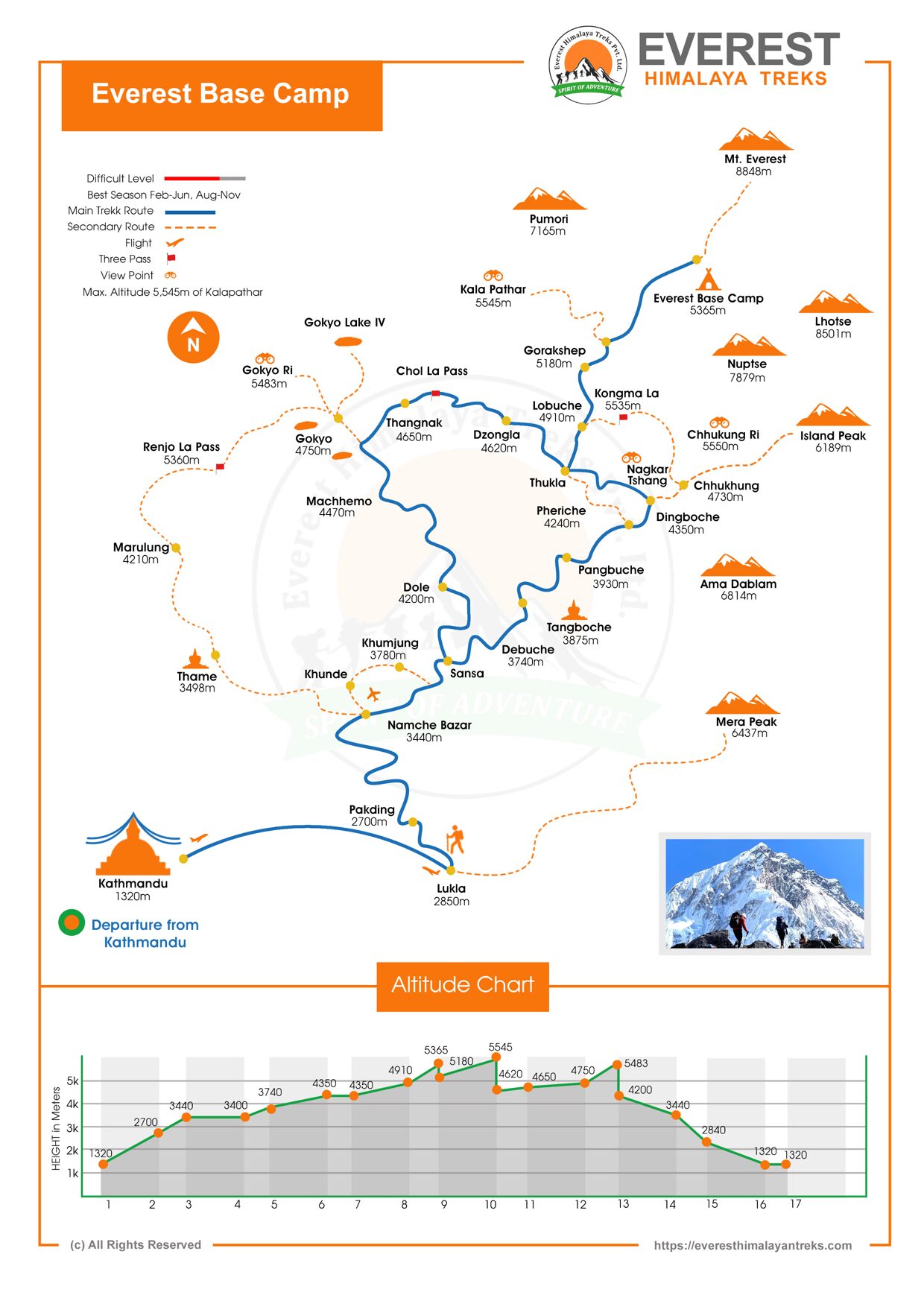
Map

Write a Review