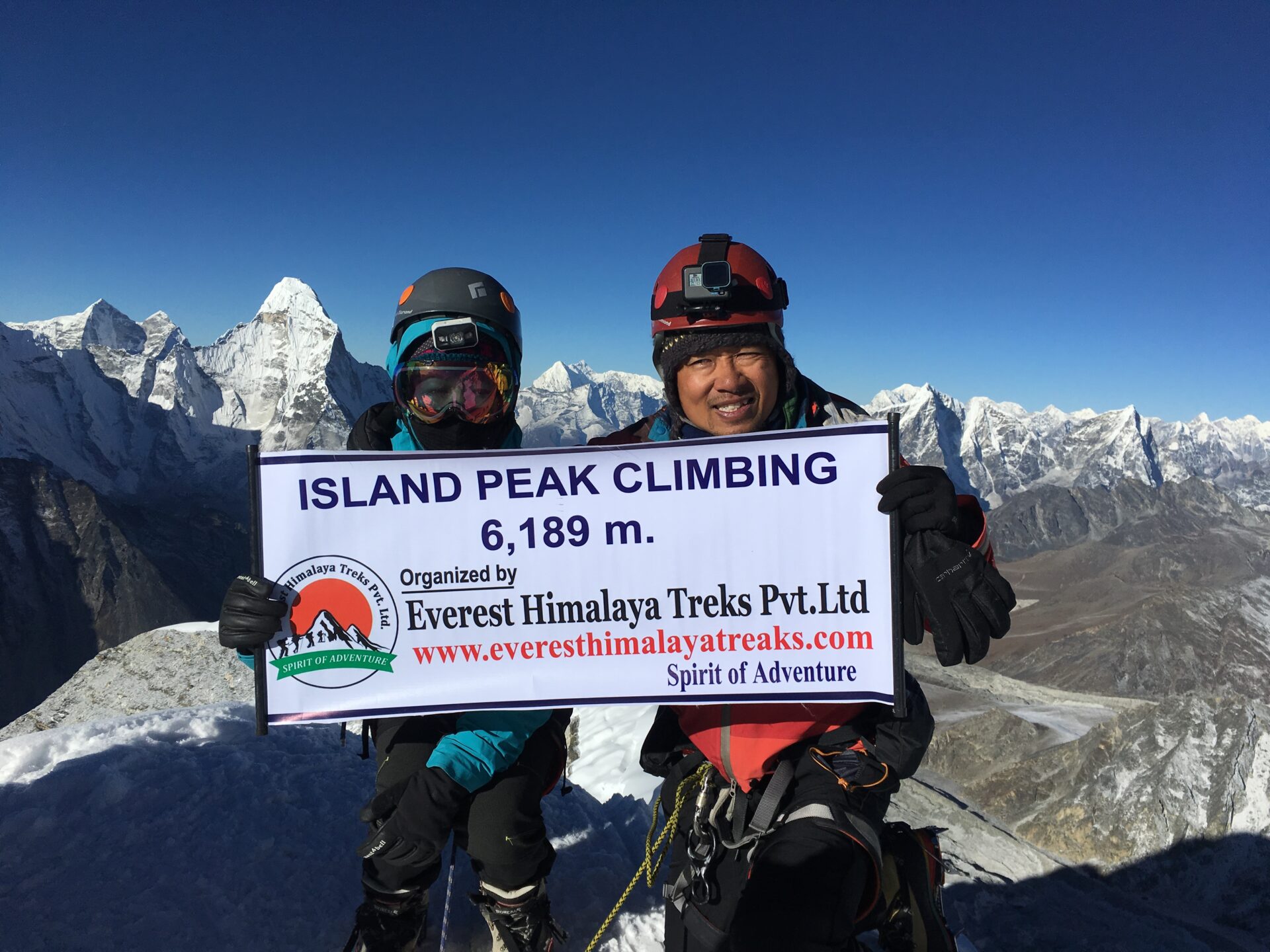
Peak climbing in Nepal offers a unique blend of adventure, natural beauty, and cultural exploration, making it a dream destination for mountaineers and trekkers from around the world. The country’s diverse terrain, ranging from lush valleys to towering Himalayan peaks, provides opportunities for climbers of all experience levels to challenge themselves and experience the thrill of standing on a summit.
Popular Peaks for Climbing
Nepal is home to over 1,300 identified peaks, with 414 open for climbing. Among these, “trekking peaks” are popular for those seeking a mix of trekking and mountaineering. Here are some notable peaks:
- Island Peak (6,189m)
Known as Imja Tse, this peak is one of the most popular climbing peaks in Nepal. It offers stunning views of Lhotse, Nuptse, and Ama Dablam. It’s often climbed as part of acclimatization for higher expeditions or as a standalone challenge. - Mera Peak (6,476m)
The highest trekking peak in Nepal, Mera Peak provides climbers with breathtaking panoramic views of five of the world’s highest mountains: Everest, Lhotse, Makalu, Cho Oyu, and Kanchenjunga. It’s considered technically straightforward, making it ideal for first-time climbers. - Lobuche Peak (6,119m)
Located close to Everest Base Camp, Lobuche Peak has two summits—Lobuche East and Lobuche West. The East is more commonly climbed and offers a challenging but rewarding experience. - Pisang Peak (6,091m)
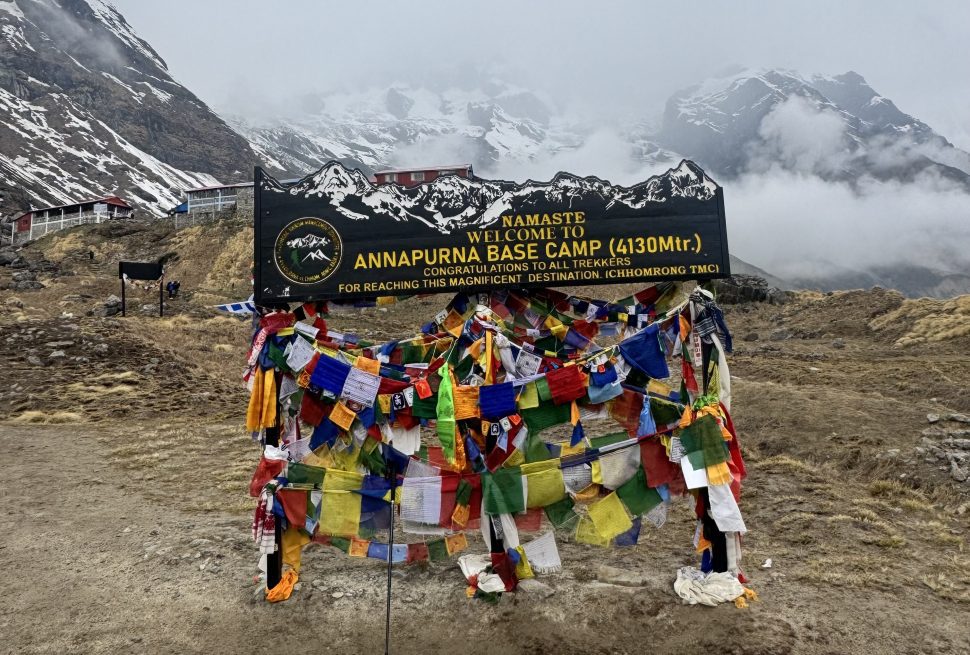
Situated in the Annapurna region, Pisang Peak is popular for its accessibility and its position along the famous Annapurna Circuit trek. - Yala Peak (5,500m)
Found in the Langtang region, Yala Peak is one of the easiest climbing peaks in Nepal, perfect for beginners seeking to experience Himalayan climbing.
The Climbing Experience
Permits and Regulations
Climbing in Nepal requires permits from the Nepal Mountaineering Association (NMA) or the Department of Tourism. Different peaks have varying permit fees depending on their height, location, and climbing season. Climbers are also required to hire a licensed guide or join an organized expedition for safety and logistical support.
Training and Preparation
Peak climbing in Nepal requires physical fitness, basic mountaineering skills, and experience at high altitudes. Pre-trip training should include endurance, strength, and technical climbing skills. Acclimatization is critical, and most itineraries include sufficient time for gradual altitude gain to minimize the risk of Acute Mountain Sickness (AMS).
Equipment
Climbing peaks in Nepal demands a range of gear, including crampons, ice axes, harnesses, ropes, and proper clothing for extreme cold. Most climbing equipment can be rented or purchased in Kathmandu.
Challenges
Weather in the Himalayas can be unpredictable, with sudden storms and rapid temperature changes. Proper planning and flexibility are essential. Additionally, altitude sickness and physical exhaustion are common challenges, underscoring the need for proper acclimatization and support.
Best Time for Peak Climbing
The two main climbing seasons in Nepal are:
- Spring (March-May): Favorable weather, clear skies, and moderate temperatures make this the most popular season. The blooming rhododendron forests add to the scenic beauty.
- Autumn (September-November): Known for stable weather and excellent visibility, autumn offers another prime window for climbing.
Cultural and Scenic Highlights
Climbers in Nepal are treated to more than just the thrill of the ascent. Along the way, you’ll pass through picturesque villages, encounter warm and welcoming locals, and explore ancient monasteries. The trails are rich with cultural and spiritual significance, providing a profound connection to the Himalayan way of life.
Why Climb Peaks in Nepal?
- World-Class Mountains: With eight of the world’s 14 highest peaks, Nepal is a mountaineering paradise.
- Diverse Options: From beginner-friendly peaks to technically demanding climbs, there’s something for everyone.
- Cultural Immersion: Experience the vibrant traditions, festivals, and hospitality of Nepal’s diverse ethnic groups.
- Adventure and Reward: The sense of accomplishment and the stunning views from the summit make every effort worthwhile.