




Trip Fact
-
Bus, Jeep
-
30
-
Fit
-
4,130m
-
Kathmandu
-
Kathmandu
-
English, Chines, Italian, Spanish, Japaneses,Hindi,Nepali
-
Include
-
Trekking
-
12
-
65
Overview
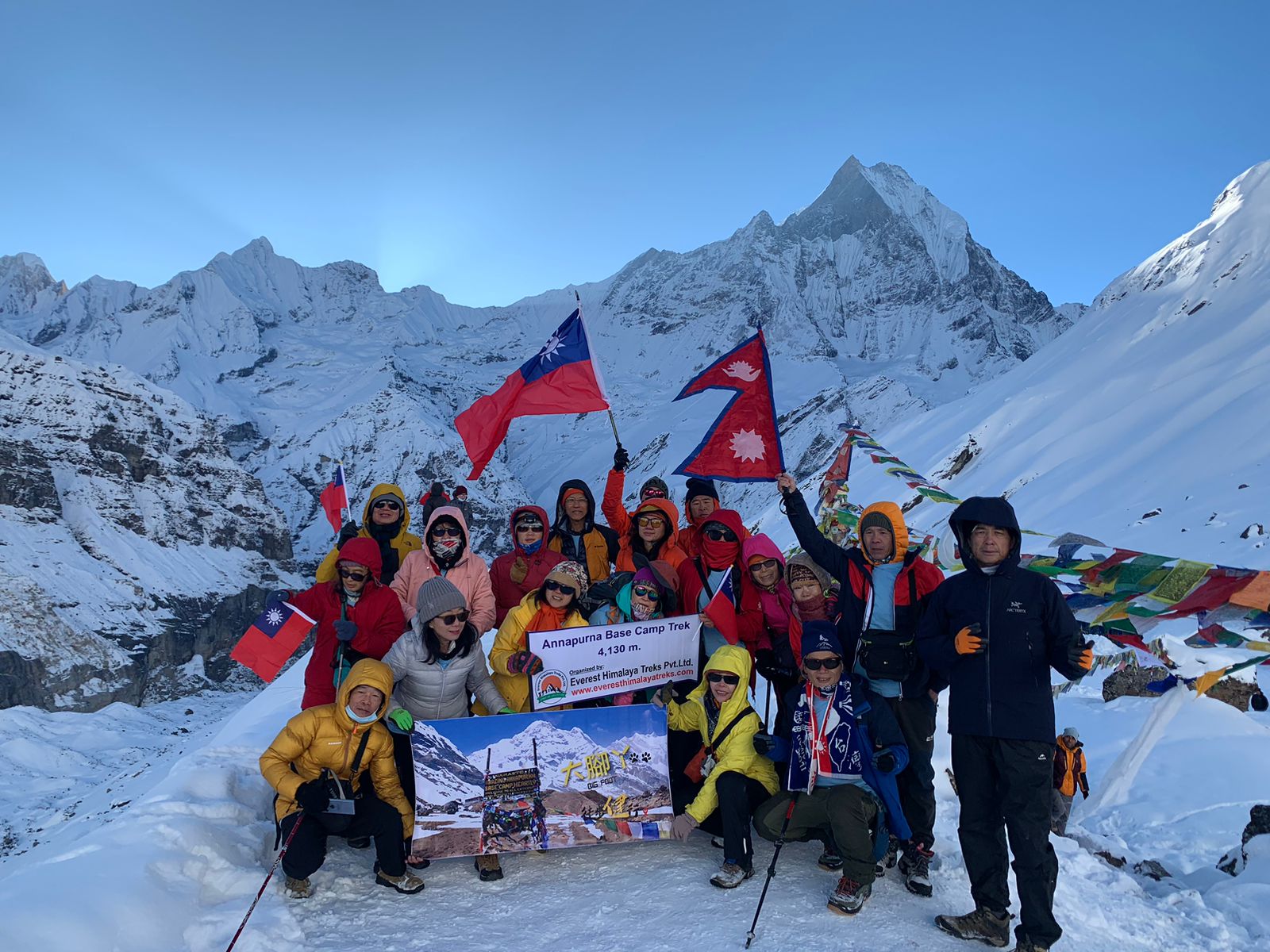
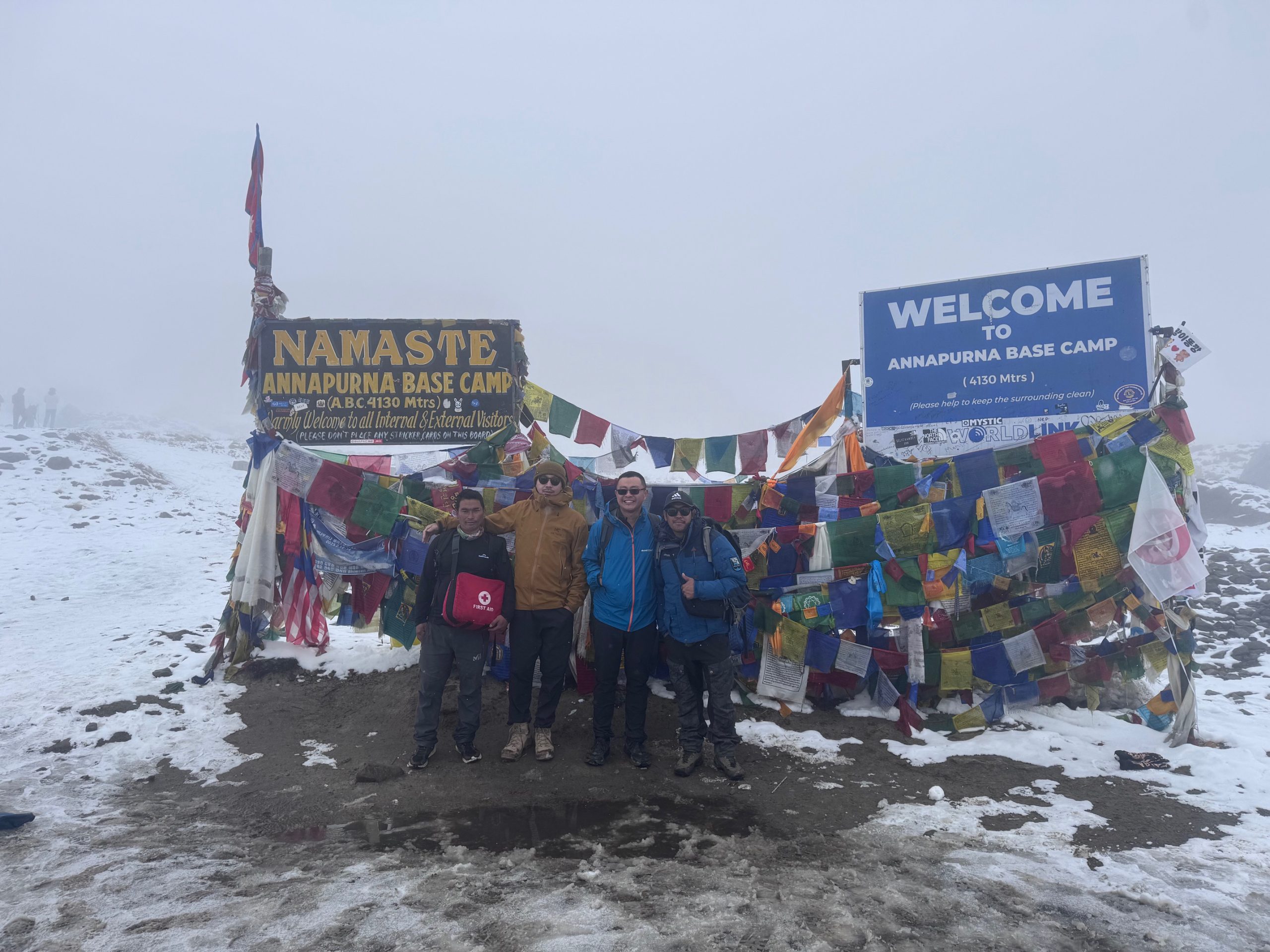
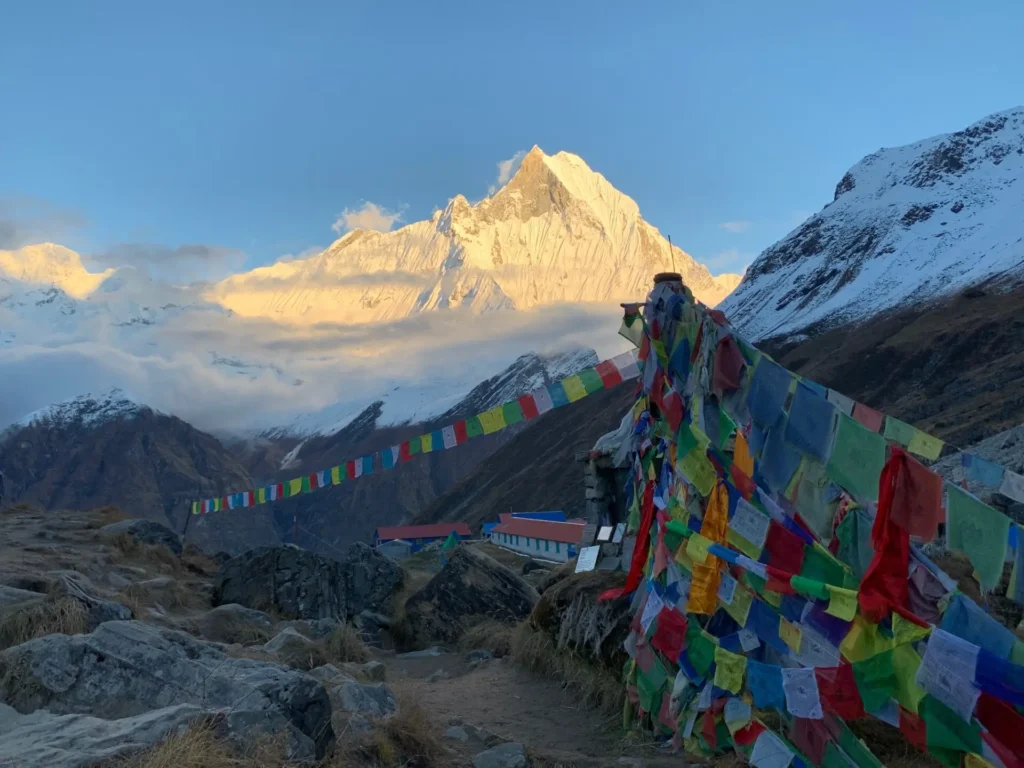
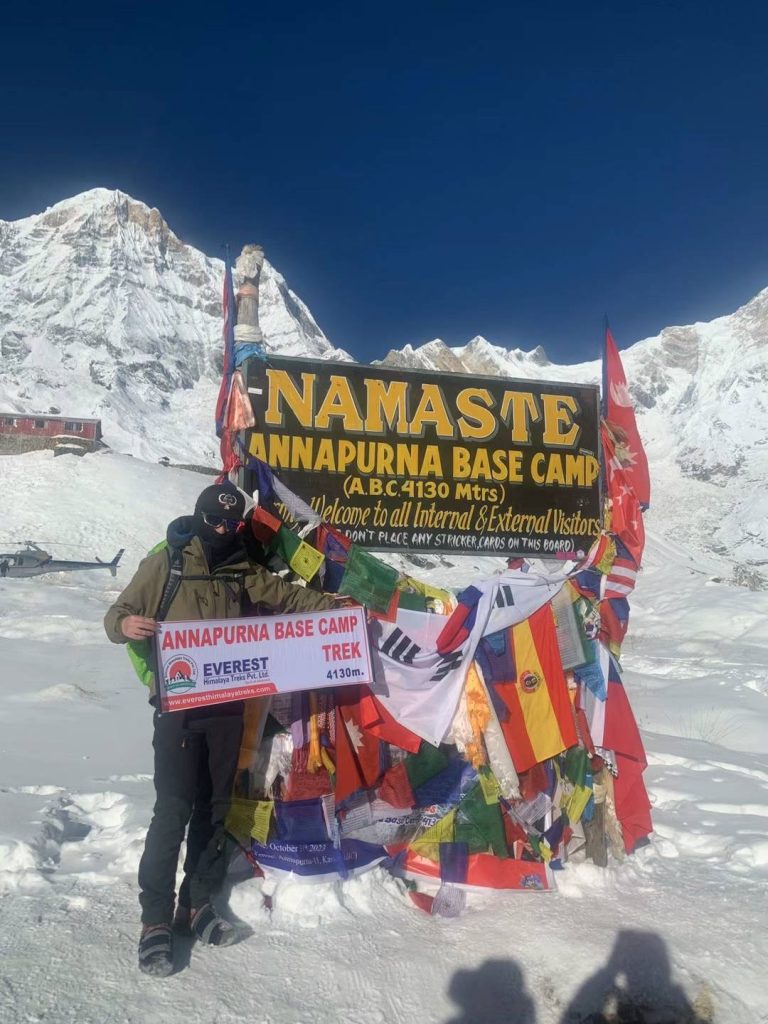
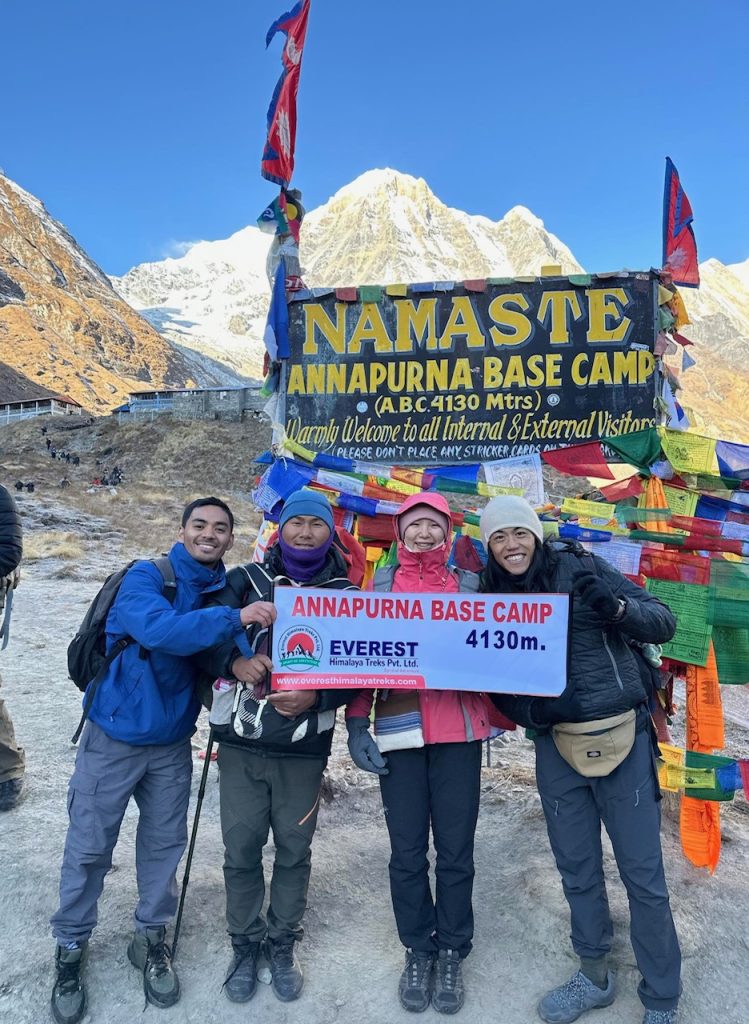
The Annapurna Base Camp (ABC) 14-Day Trek is a remarkable journey that takes you into the heart of the Annapurna Sanctuary, offering an up-close view of some of the world’s highest peaks. This trek is a blend of cultural immersion, natural beauty, and adventure. Starting from the vibrant city of Kathmandu, the trek leads you through charming villages, dense rhododendron forests, and terraced farmlands, all while providing stunning views of the Annapurna and Dhaulagiri mountain ranges. The highlight of the trek is reaching Annapurna Base Camp (4,130 meters), a natural amphitheater surrounded by towering peaks, including Annapurna I (8,091 meters) and the sacred Machapuchare (6,993 meters). This 14-day itinerary is designed for those who want to take their time to fully experience the beauty and culture of the Annapurna region.
Trip Highlights
- Climb up Poonhill for the glorious sunrise over the Annapurnas and Dhaulagiri
- Lifetime trek experience for the first-timers
- Joy of living in mountain lodges and sharing the traditional culture and lifestyle
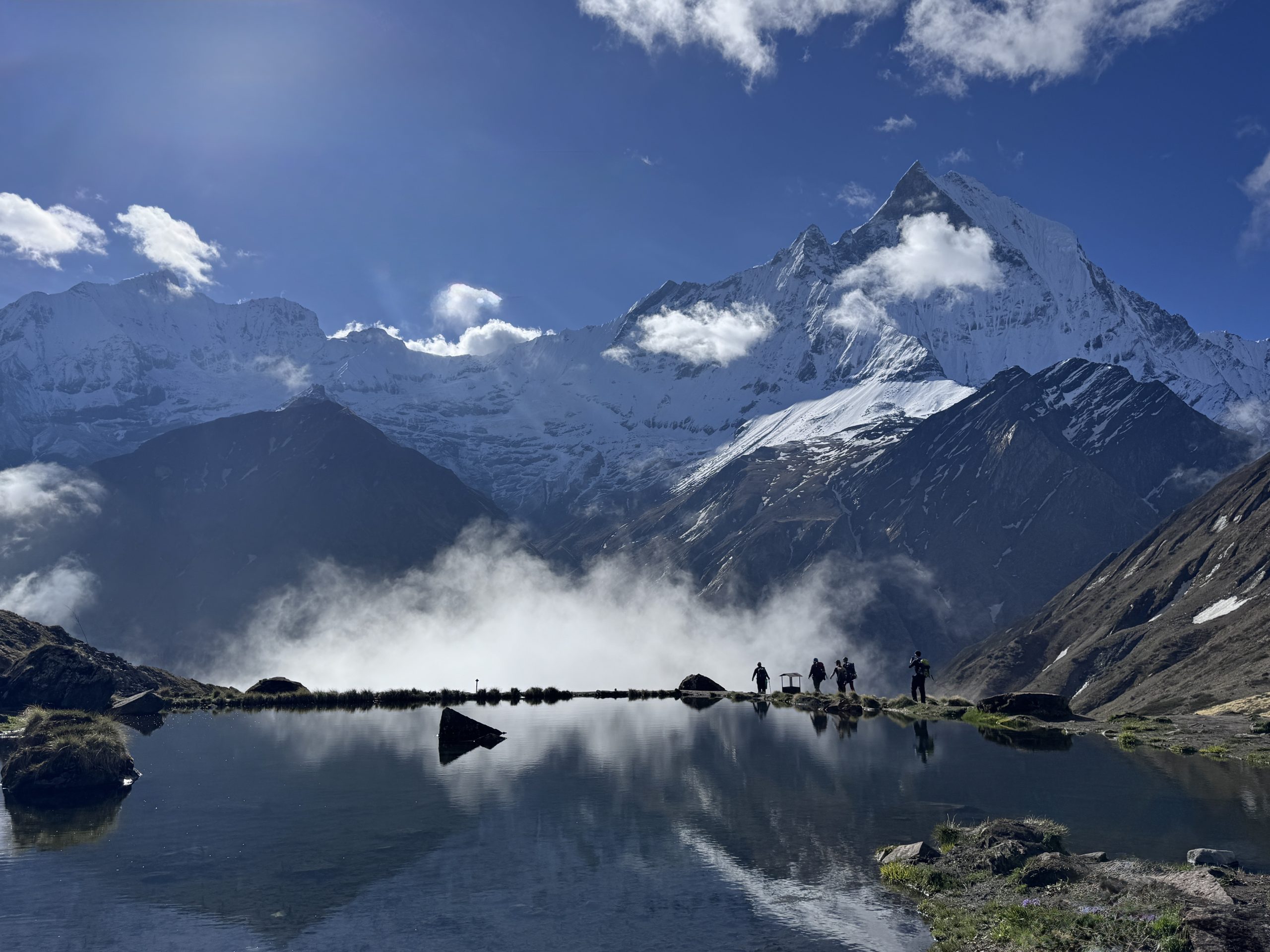
- Trek to Annapurna beneath the Machhapuchhre, the sacred ‘Fishtail Peak’
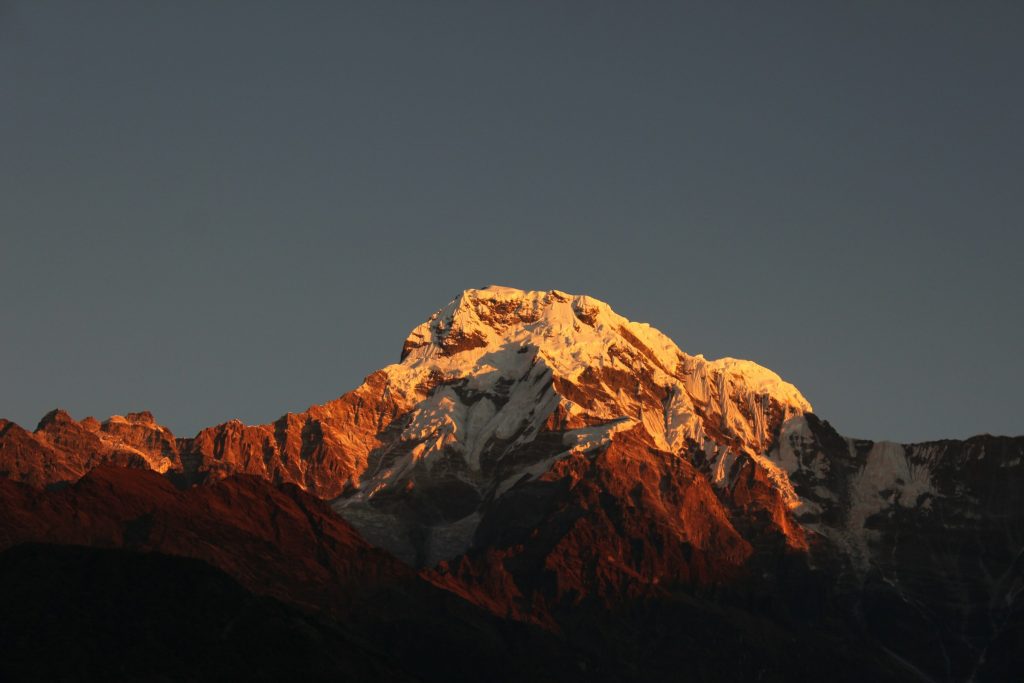
- Enjoy the spectacular scenery of Annapurna I (8091m), Annapurna South (7219 m), Machhapuchhre (6993 m) and Hiunchuli (6441 m)
- Explore medieval Kathmandu and peaceful Pokhara
- Explore lakeside and gaze at snow capped peaks in Pokhara
Itinerary
Arrival in Kathmandu (1,400m/4,593ft) – Details: Upon arrival in Kathmandu, you will be transferred to your hotel. Spend the day exploring the bustling streets of Thamel or visiting nearby cultural landmarks. In the evening, attend a trek briefing to meet your guide and fellow trekkers.
Kathmandu to Pokhara by
Bus
- Drive: Kathmandu to Pokhara (6-7 hours by tourist bus, 200 km).
- Accommodation: Hotel in Pokhara.
- Details: After breakfast, you’ll board a bus to Pokhara. The journey offers spectacular views of rivers, hills, and villages. Upon arrival in Pokhara, check-in to your hotel and enjoy the lakeside area or go boating on Phewa Lake.
Pokhara to Birethanti by Jeep, Trek to Ulleri
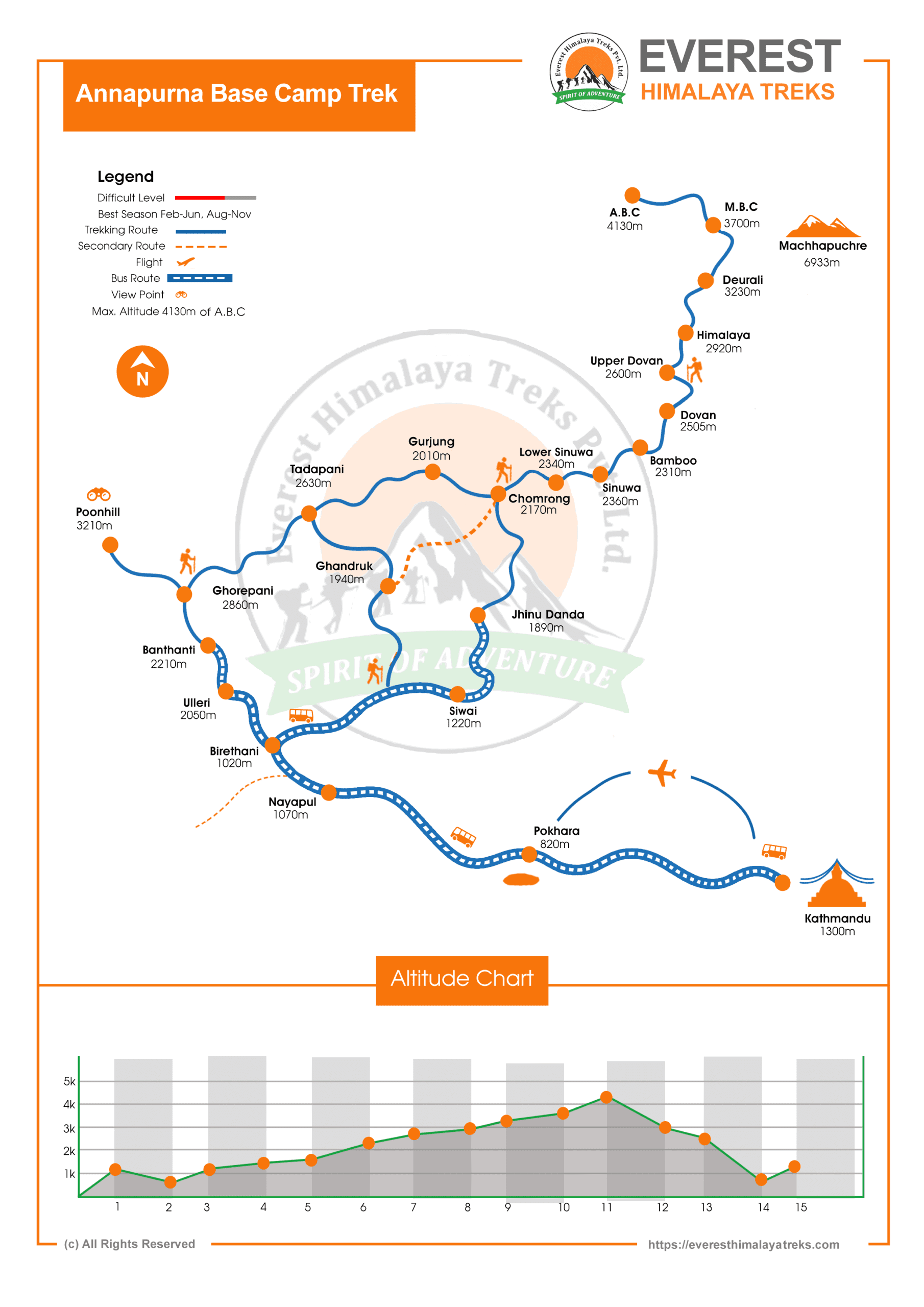
- Drive: Pokhara to Birethanti (1.5-2 hours by jeep), then trek to Ulleri (4-5 hours).2050m
- Accommodation: Tea house in Ulleri.
- Details: From Pokhara, take a jeep ride to the starting point of the trek, Birethanti. From here, start your trek towards Ulleri. The route follows a moderate incline through terraced fields and forests. Ulleri is a small Magar village and a good place to rest for the night.
Today’s trek will be exciting as the trail slowly ascends. From the path, you can savor the views of Annapurna, Machhapuchre, and Hiunchuli snow peaks. As we walk through the rhododendron forest, we can see several wild animals, refreshing springs, and rivers. The path then leads us to Ghorepani, which is a spectacular settlement that lies on a ridgeline.
The views of the Himalayas from this village are breathtaking allowing heavenly sights of Dhaulagiri I, II, III, IV, V, Tukuche, Dhampus, Nilgiri, Annapurna South, Barah Sikhar, Machhapuchhre (commonly known as Fishtail).
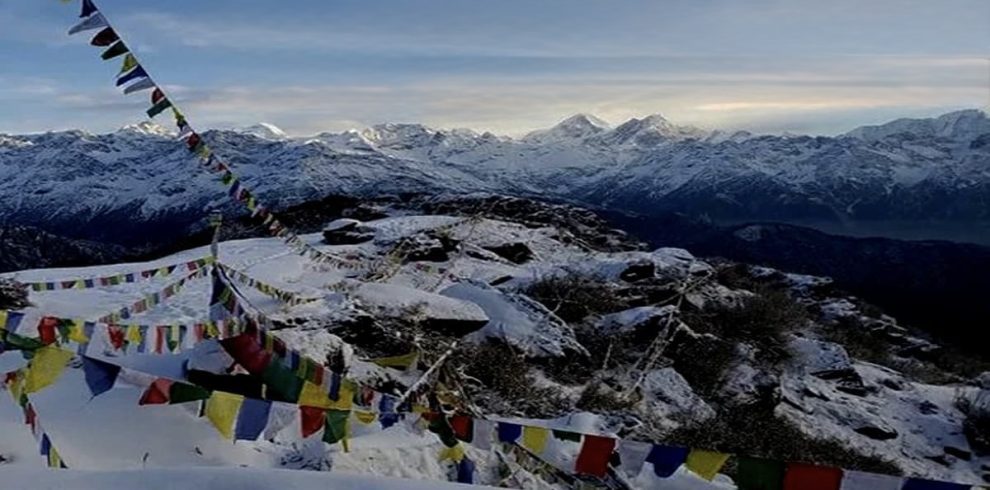
If you love sunrises, today is your day. Early in the morning, before sunrise, we ascend Poon Hill just in time to view the sunrise on the Himalayas. From Poon Hill, you can see dawn breaking at more than 32 Annapurna ranges along with Dhaulagiri, Nilgiri, and Machhapuchre mountains. Poon Hill is a famous spot for photography, so we will make the most of our visit to Poon Hill by clicking pictures to our hearts’ content.
After spending time on Poon Hill, we descend to our lodge, have our breakfast, and start the trek to Tadapni (2,630m / 8,630ft). But to reach Tadapani, we will be passing through Deural (2960m) and Bandthanti. If we arrive early at Tadapani, we will trek a little further to Chuile Village.
Today’s trek will slightly differ based on where we stayed last night. If at Tadapani, we will have our breakfast, and continue our journey to Chomrong (2,140m / 7,105ft), passing Chuile on the way. At first, we pass the beautiful Ghandruk Village and then take a steep descent to the Kimron River before reaching Chomrong. From the way, you will see mind-blowing views of Annapurna South and Fishtail Mountain.
The scenery around Bamboo has wonderful views of all the best mountains on offer in the Annapurnas, including Annapurna South, Annapurna I, II, and III, and Machhapucchre. There is also the possibility of seeing some wildlife, such as deer and Himalayan goats.
Setting off after breakfast, we pass through bamboo forests. This creates a cool atmosphere, which is great on hot summer days, perhaps a little chilly in the early morning. The trail ascends green hills and opens up. Below us lies a glacial river. The trail becomes a little more rugged, and there is a steep climb to Hinku cave and more bamboo forest. Vegetation has fallen away as we approach Deurali, but there are waterfalls and a suspension bridge to cross, which makes the trail interesting.
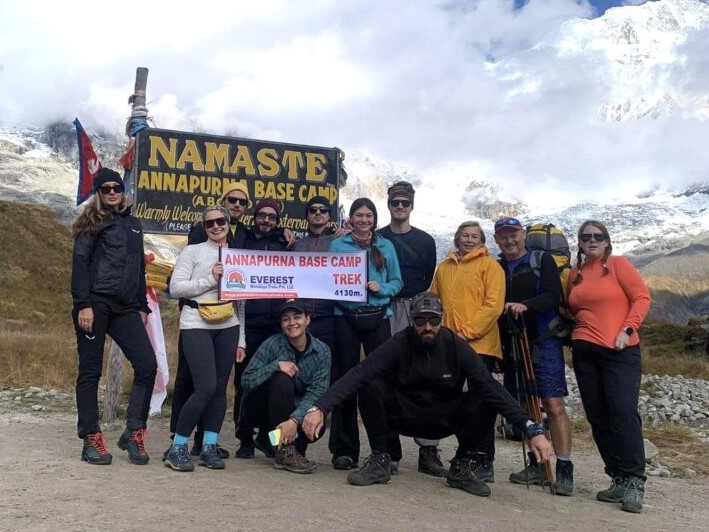
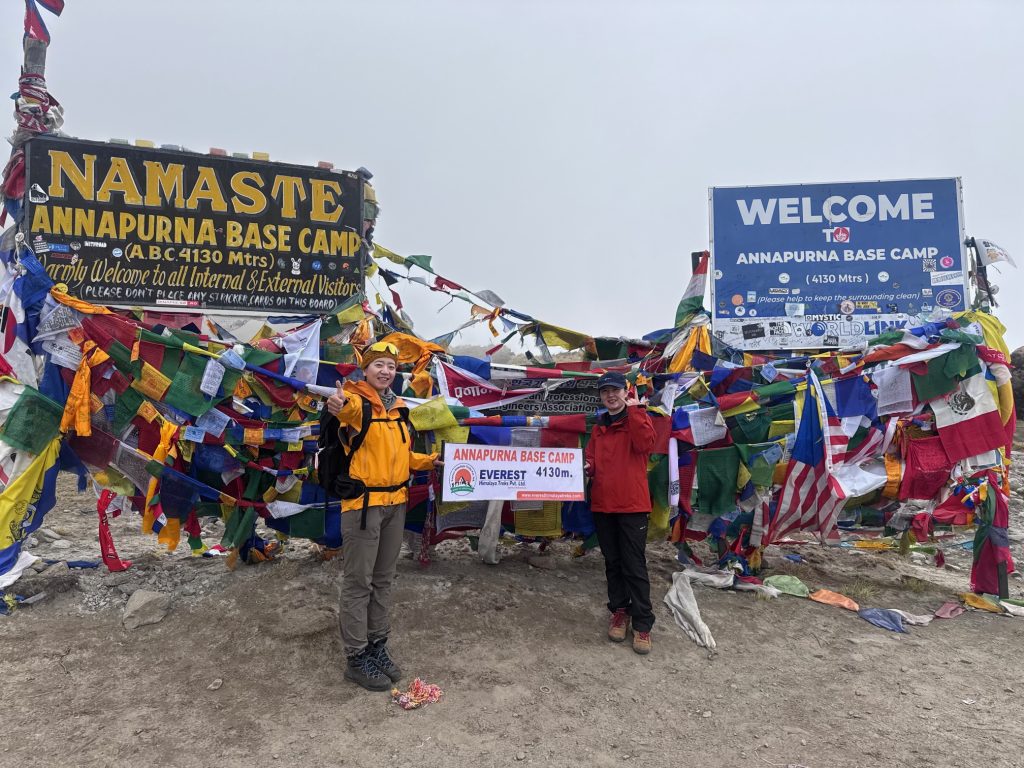
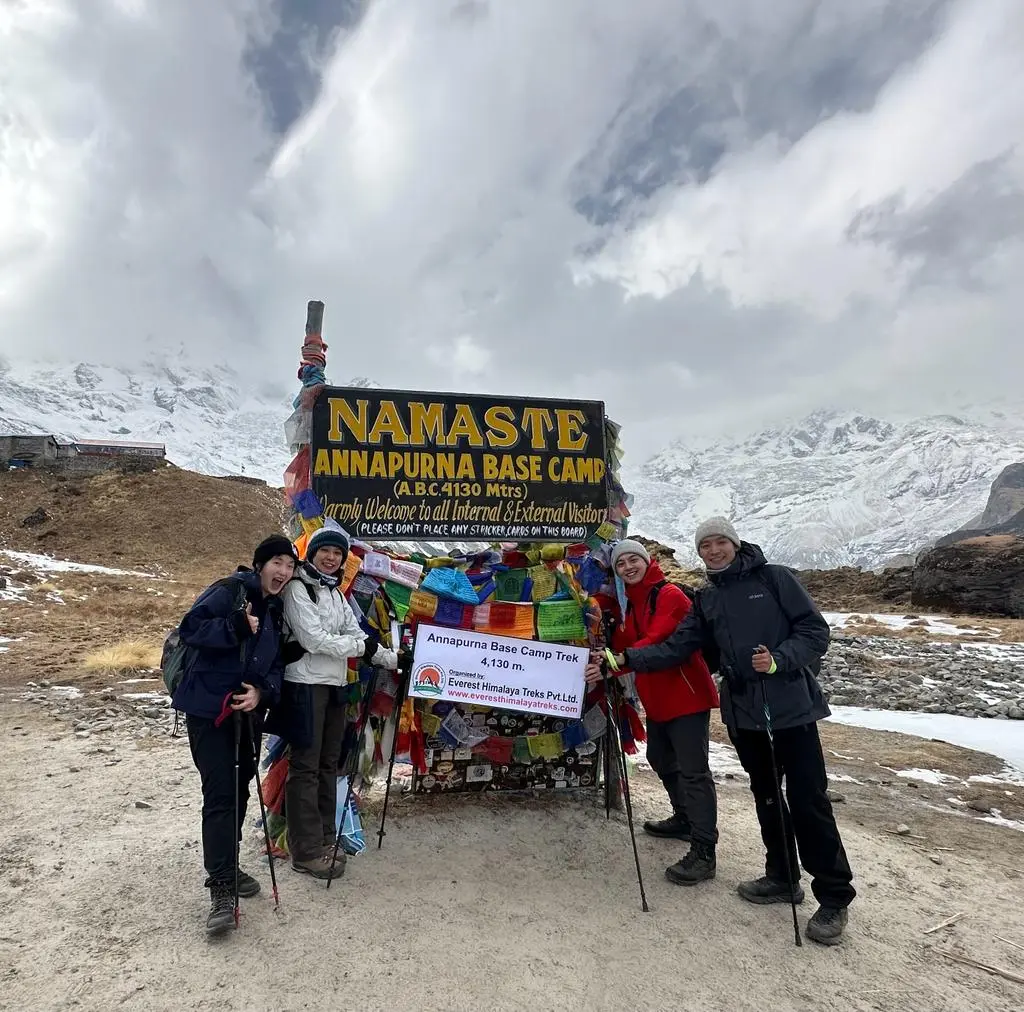
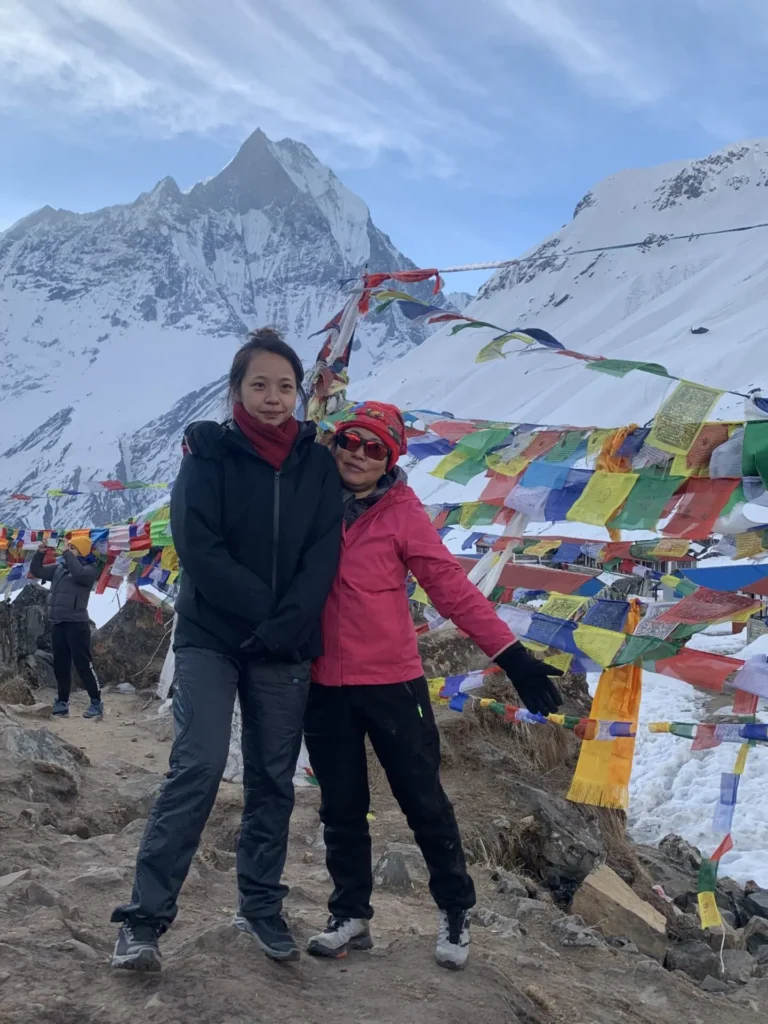
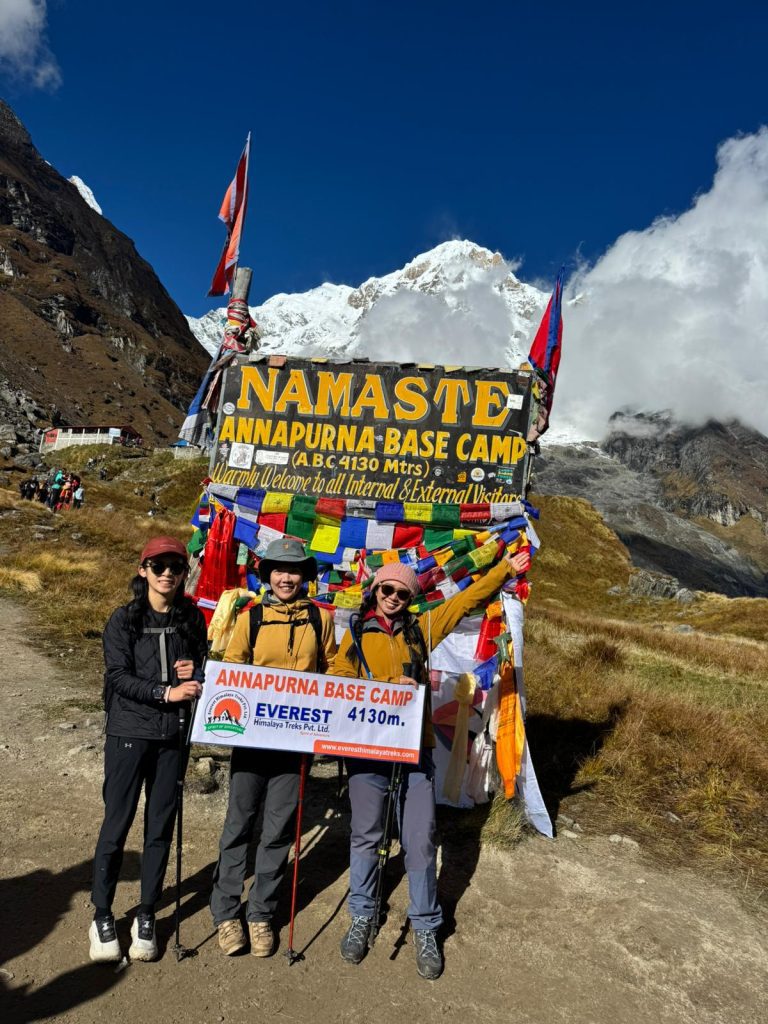
Have a good breakfast today, as the journey starts with an uphill climb over rocky terrain. Since today we reach the highest altitude on the trek, we should pay attention to our bodies and not walk too fast. Instead, take a steady pace and enjoy the wonderful surrounding mountains. We first reach Machhapucchre Base Camp and enjoy some time there, taking photographs of the snow-capped mountains before walking on for approximately another two hours to reach Annapurna Base Camp. From Annapurna Base Camp, some of the mountains we can enjoy include Annapurna South, Annapurna I and III, Hiunchuli, and of course, Machhapuchhre, which has been with us all along the trek. Overnight at Annapurna Base Camp and celebrate your achievement with a great dinner.
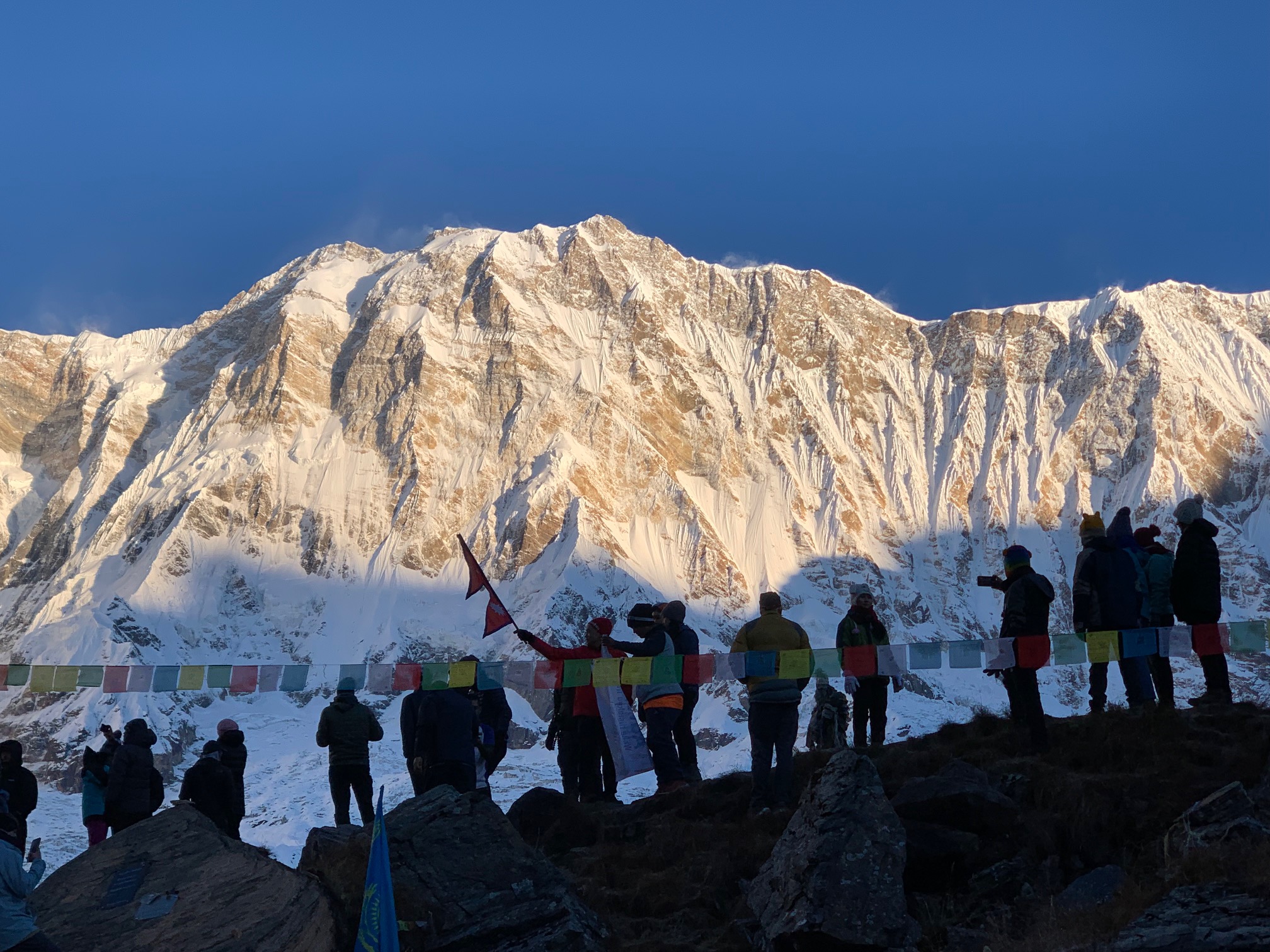
While there are beautiful sunrises every day on this trek, you might want to wake up extra early today to catch the sun rising over the Annapurna range. This is something really special and well worth getting up early for! Then it’s time for breakfast and back on the trail to hike back to Bamboo. Following the Modi Khola and rhododendron forests, it takes around 7 hours to reach Bamboo. A long but not too hard trail.
Retracing our route through the rhododendron and bamboo forests, there is a steep descent from Chhomrung to Jhinu. Since it takes around 5 hours and since we have learned from experience the hot springs at Jhinu Danda seem much more appealing than they were at the start of this trek, we suggest leaving Bamboo early. By leaving early, having lunch at Jhinu Danda and spending the afternoon in the hot springs is possible. Time to relax and enjoy the natural hot water!
This is the final day of the trek, so take in as much of the mountains as you can as you hike for around 4 hours to reach pokhara from jhinu Dhanda, where transport is waiting to take us back to Pokhara. Since it is a long day, we will take lunch on route or in Naya Pool. After checking into your comfortable Pokhara hotel, there is time for some shopping before relaxing at the lakeside with a long cool drink before dinner. Dinner is not included in the package, but we are sure your guide would be delighted to recommend an excellent restaurant and join you, on your invitation, on your final night.
Today we head back on a 7-hour drive to Kathmandu with many fond memories of Nepal and its unique culture and geography. These memories will last a lifetime!
Airport by one of our Everest Himalayan Treks, 3 hours before your flight to return. We hope you had a great journey to Annapurna Base Camp(ABC) with the wish of seeing you soon, we wave you goodbye. And if you have a longer vacation and want you to welcome to have another trip.
Includes/Excludes
Cost Includes
- Kathmandu pokhara Kathmandu on a tourist bus
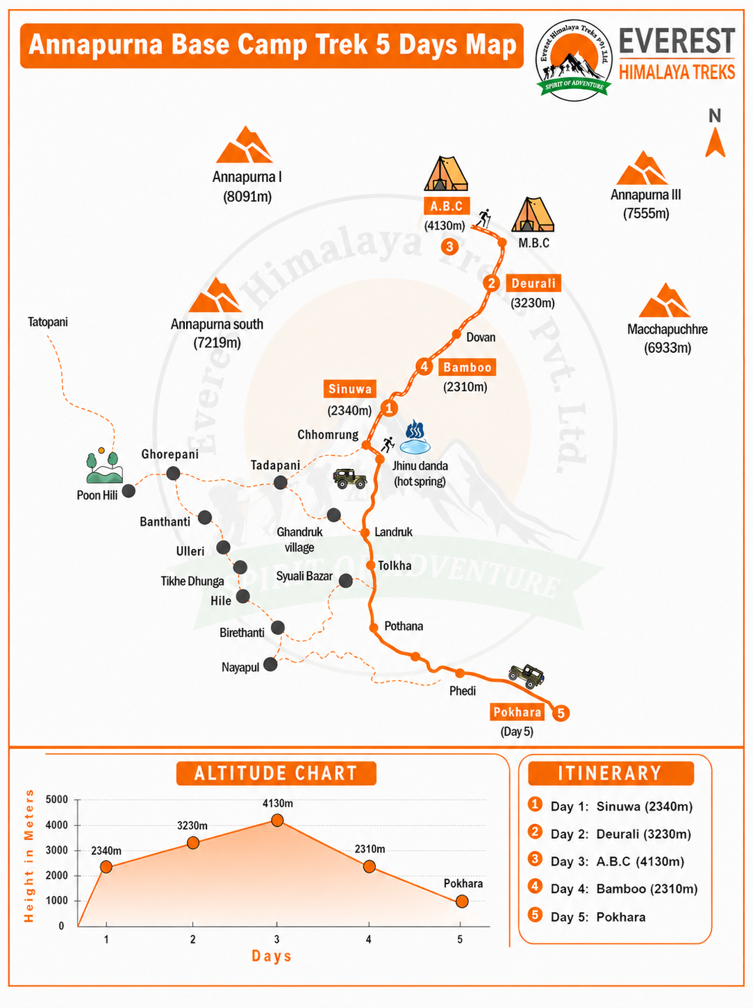
- Trekking Route Map
- Pokhara to Birethanti-Jhinu to Pokhara by Jeep
- All Trekking Permit and necessary paper works
- 2 nights' hotel in Pokhara included breakfast.
- 2 nights' hotel in Kathmandu included breakfast.
- Your three times meal (Breakfast/Lunch/Dinner) and normal accommodations during the trekking
- Medical supplies (first aid kit will be available).
- Experience well trained government license holder English speaking trekking guide and required their meals, accommodations, salaries, insurances and equipments etc.
- Two nights' hotel in Pokhara included breakfast. Lodge accommodations during the treks.
- Trekking porter ( one porter for two members) No Porter for Solo Trekkers
- Emergency rescue service arrangement ( Please do Insurance from your country that covers Medical and Evacuation)
- Everest Himalaya Treks waterproof Duffle Bag use for during trek
- All government taxes.
- Service charge.
- Sleeping Bag used during the Trek.
Cost Excludes
- Nepal Visa fee (US$ 40 for 30 days and US$ 25 for 15 days you should get a visa open on your arrival.
- Lunch and Dinner in Kathmandu.
- Travel insurance.
- International flight tickets to and from Kathmandu.
- Nepal entry visa fee, which is easily issued upon your arrival at Tribhuwan International Airport in Kathmandu.
- Your personal first aid kit, equipment and items of personal nature.
- All kinds of drinks (Water/Coke/alcoholic beverage and hot drinks).
- Tips for trekking staff and driver. (Tipping is expected).
FAQs
• Answer: Annapurna Base Camp is situated at 4,130 meters (13,550 feet) above sea level. This altitude is significant, but it is manageable for most trekkers if proper acclimatization is followed.
Answer: The Annapurna Base
Camp trek is considered a moderate trek in terms of difficulty.
It involves daily hiking for 5-7 hours, with some steep ascents and descents. While the trek is not technically challenging, the altitude can affect some trekkers, so it’s important to pace yourself and acclimatize properly.
Yes, high-quality trekking shoes with good ankle support and a robust sole are essential to navigate the varied terrain comfortably and safely.
- Answer: While it is not mandatory to have a guide, it is highly
recommended, especially for first-time trekkers. A guide ensures safety, provides local knowledge, and helps with logistics. You will also need a TIMS (Trekkers’ Information Management System) card and ACAP (Annapurna Conservation Area Permit) for the trek, which a guide can help arrange.
- Answer: The best times to trek to Annapurna Base Camp are:
- Spring (March to May): Clear skies, moderate temperatures, and blooming rhododendron forests.
- Autumn (September to November): Stable weather, clear views, and perfect trekking conditions.
- Avoid trekking in the summer (June to August) due to the monsoon rains, and winter (December to February) due to extreme cold and snow.
- Answer: The standard Annapurna Base Camp trek takes 7-12 days, depending on your route, pace, and how long you spend acclimatizing. A common itinerary spans 10-12 days.
- What is the accommodation like on the ABC trek?
- Answer: Accommodation along the
ABC trek is in tea houses, which are simple guesthouses that provide basic amenities, such as shared rooms with beds, blankets, and communal bathrooms. The rooms are usually basic, but comfortable enough for the duration of the trek.
The higher you go, the more basic the accommodations can be.
Accommodation on the ABC trek consists of teahouses, which are simple lodges offering basic amenities like a bed, blankets, and sometimes attached bathrooms. The quality can vary, but they generally provide a comfortable and clean place to stay.
Charging facilities are available in most teahouses, usually for a fee. It is advisable to carry a portable power bank as a backup.
- Answer: Yes, the trek is generally safe. However, like any trek in the mountains, there are risks related to altitude, weather, and physical exertion. To ensure safety:
- Acclimatize properly to avoid altitude sickness.
- Always follow your guide’s instructions and stay hydrated.
- Wear appropriate gear and check the weather forecast.
- Keep in mind that there are rescue operations available in case of emergencies.
• Answer: Altitude sickness can occur above 2,500 meters, but the risk increases as you get closer to 4,000 meters. Symptoms include headaches, nausea, dizziness, and fatigue. To minimize the risk:
- Ascend slowly and avoid rushing.
- Drink plenty of water and stay hydrated.
- Allow for rest days for acclimatization (especially at places like Ghorepani and Chomrong).
- If you feel any symptoms of altitude sickness, inform your guide immediately. Descending to a lower altitude is the best way to treat altitude sickness.
- Answer: Packing the right gear is essential. Recommended items include:
- Clothing: Layered clothing for warmth, waterproof jacket, trekking pants, and thermals.
- Footwear: Waterproof trekking boots.
- Sleeping bag: Rated for 0°C to
- 10°C.
- Accessories: Sun hat, gloves, sunglasses, and a headlamp.
- Health and hygiene: Personal medications, hand sanitizer, and a basic first-aid kit.
- Other gear: Trekking poles, camera, water bottle, and snacks.
- Answer: Food in the tea houses along the ABC trek is simple but nourishing. The menu generally includes:
- Dal Bhat (lentil soup with rice), which is a staple in Nepal.
- Noodles, momo (dumplings), and pasta.
- Pancakes, porridge, and eggs for breakfast.
- Tea, coffee, and other hot beverages.
- As you ascend, the menu becomes more limited, and the food may be more basic, but it will keep you energized for the trek.
• Answer: Yes, you can charge your devices (like phones, cameras, and headlamps) in most tea houses along the trek. However, expect to pay a small fee for charging, and be mindful that power supply can be limited, especially at higher altitudes.
• Answer: Yes, you can charge your devices (like phones, cameras, and headlamps) in most tea houses along the trek. However, expect to pay a small fee for charging, and be mindful that power supply can be limited, especially at higher altitudes.
- Answer: The weather can vary depending on the altitude:
- Lower elevations (1,000-2,500 meters): Warm, with mild temperatures during the day and cooler evenings.
- Mid-elevations (2,500-3,500 meters): Cooler temperatures, with the possibility of rain or snow in the higher parts.
- Higher elevations (above 3,500 meters): Cold, especially in the mornings and evenings. You may experience snow in winter months (December to February).
- Be prepared for changing weather conditions, especially in the higher altitudes.
- Answer: Yes, the trek can be customized to suit your preferences.
You can: - Shorten the trek by using jeep rides (to places like Birethanti) or by skipping acclimatization stops.
- Extend the trek by adding extra rest days or side trips, like visiting Poon Hill or the nearby Annapurna Circuit.
• Answer: Yes, you can trek independently, but it is
recommended to go with a guide, especially if you’re unfamiliar with the terrain, weather, or altitude issues. Having a guide makes the journey safer, more enjoyable, and helps with logistics (like obtaining permits and finding accommodation).
• Answer: Wi-Fi is available in most tea houses, but expect limited connectivity and slow speeds. The higher you go, the less reliable the internet becomes. Wi-Fi is typically available for a small fee.
• Answer: If you feel unwell, especially at higher altitudes, inform your guide immediately. Your guide will assess the situation and help you. If necessary, descend to a lower altitude. It’s essential to listen to your body and not push yourself too hard.
Map


Write a Review