

Trip Info
-
Buse, Airplane
-
Kathmandu
-
Kathmandu
-
Breakfast, Lunch, dINNER
-
Include
-
Peak Climbing
-
18
-
60
Island Peak Climbing
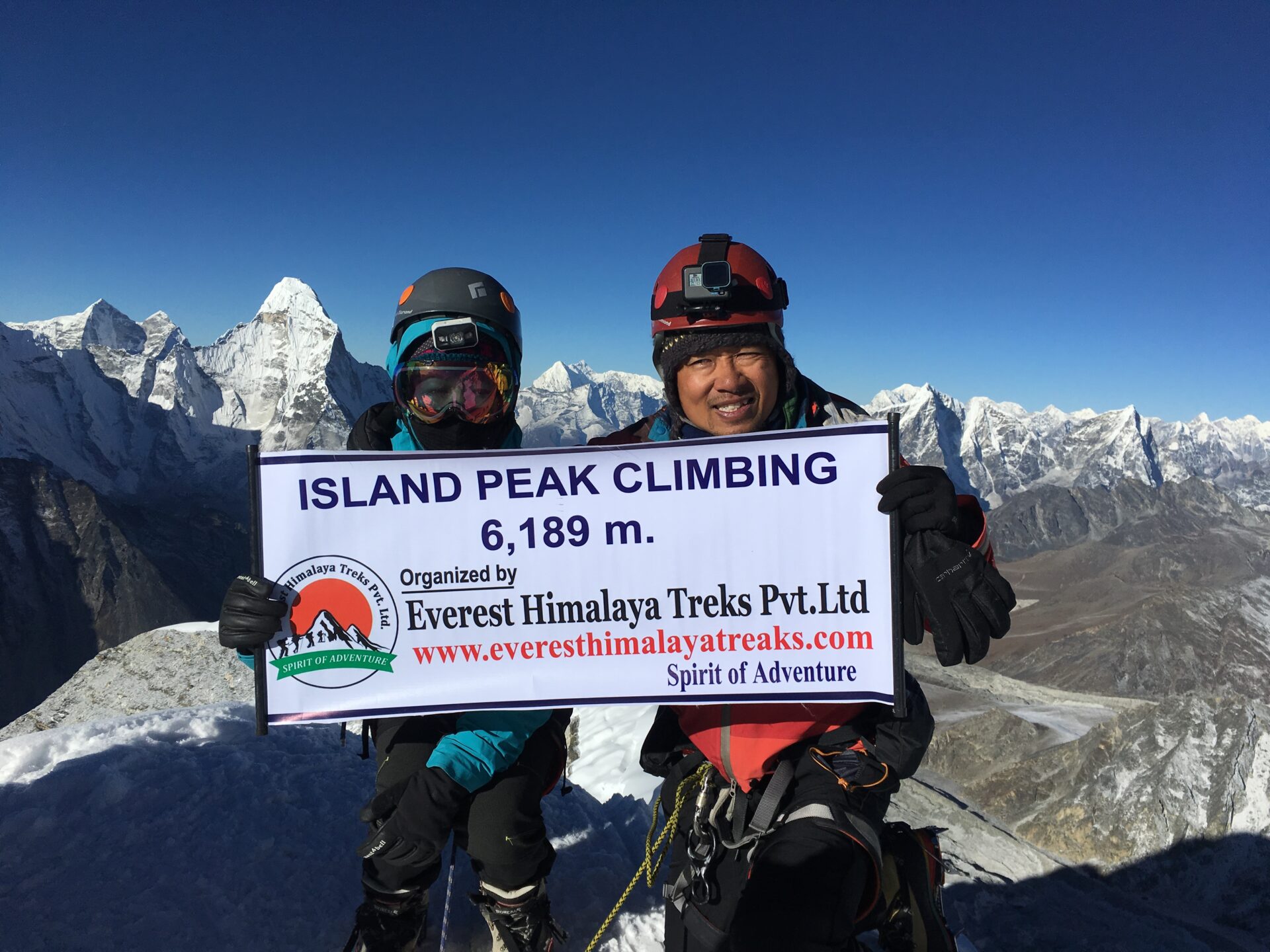
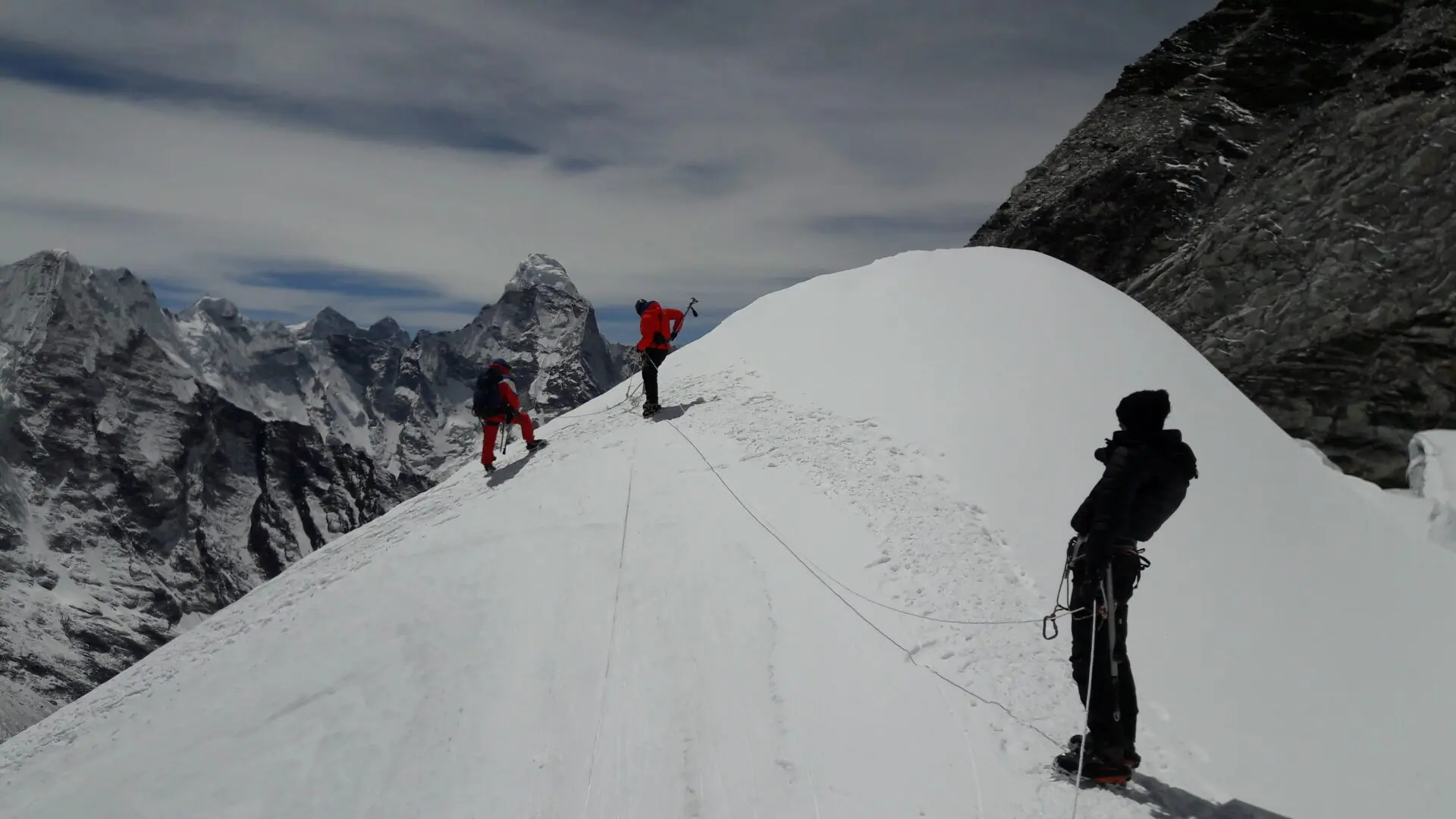
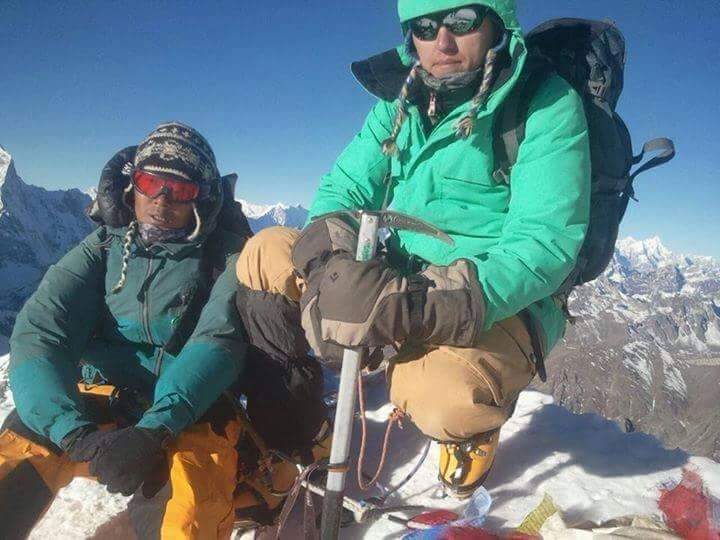
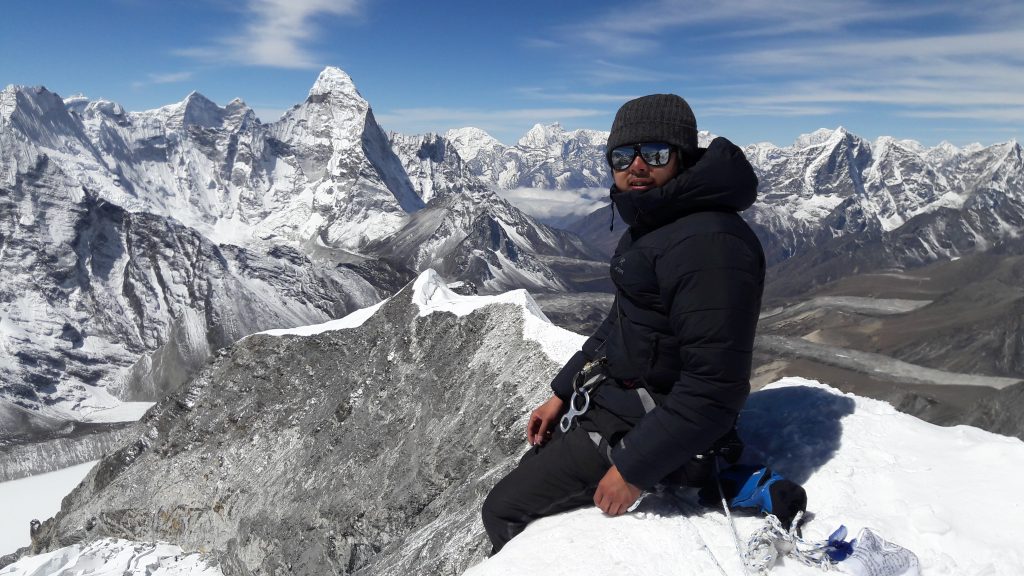
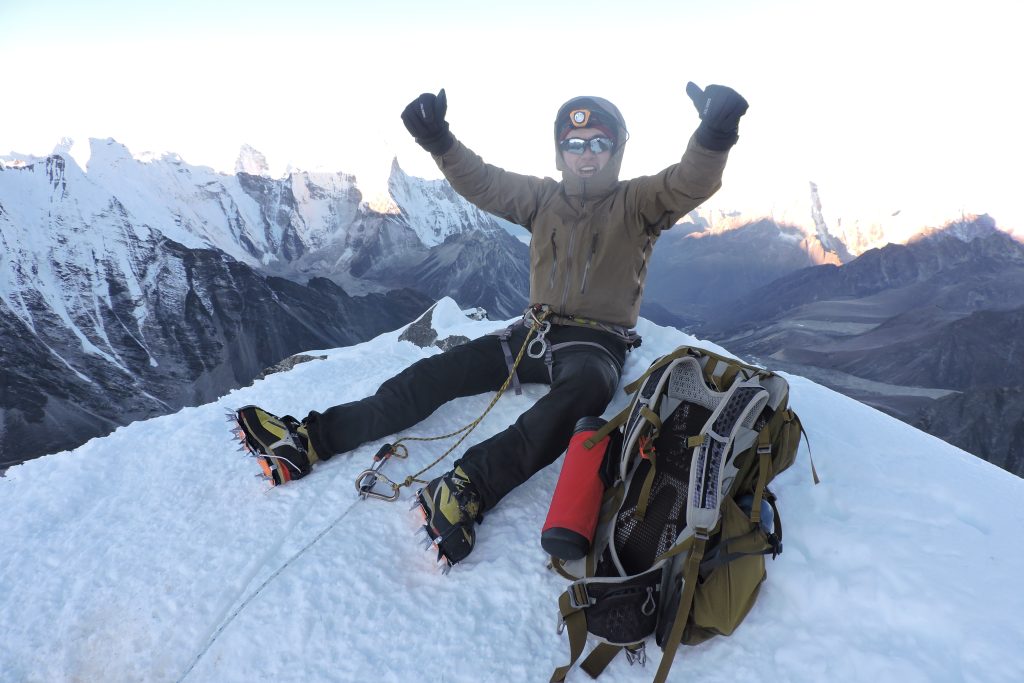
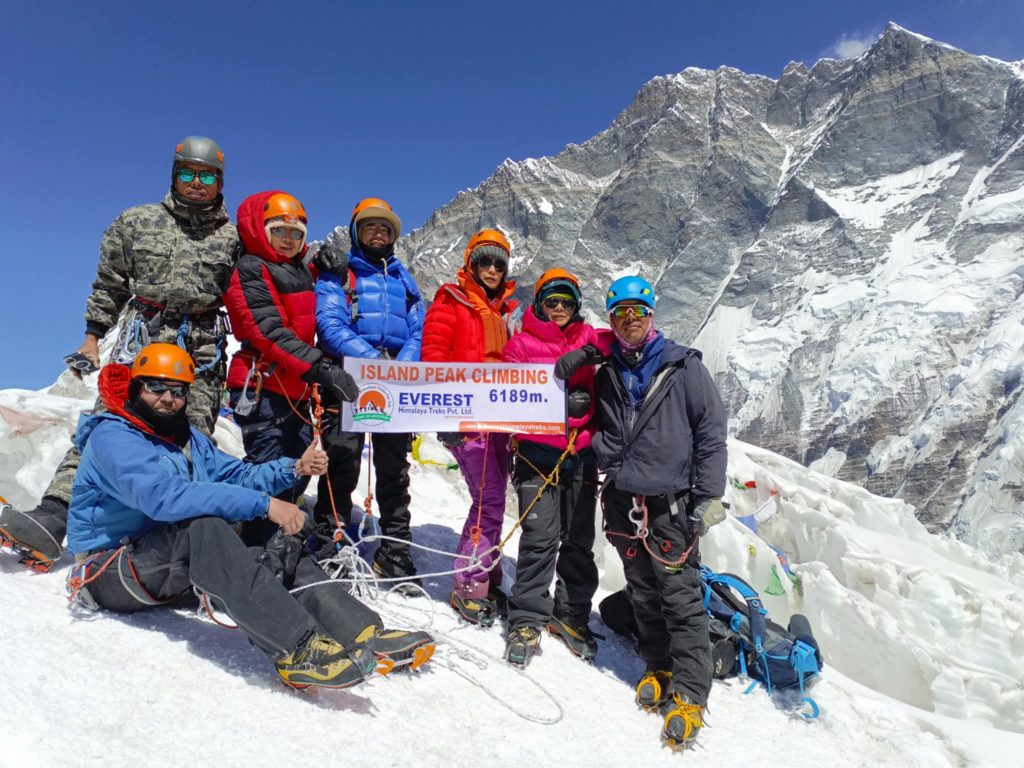
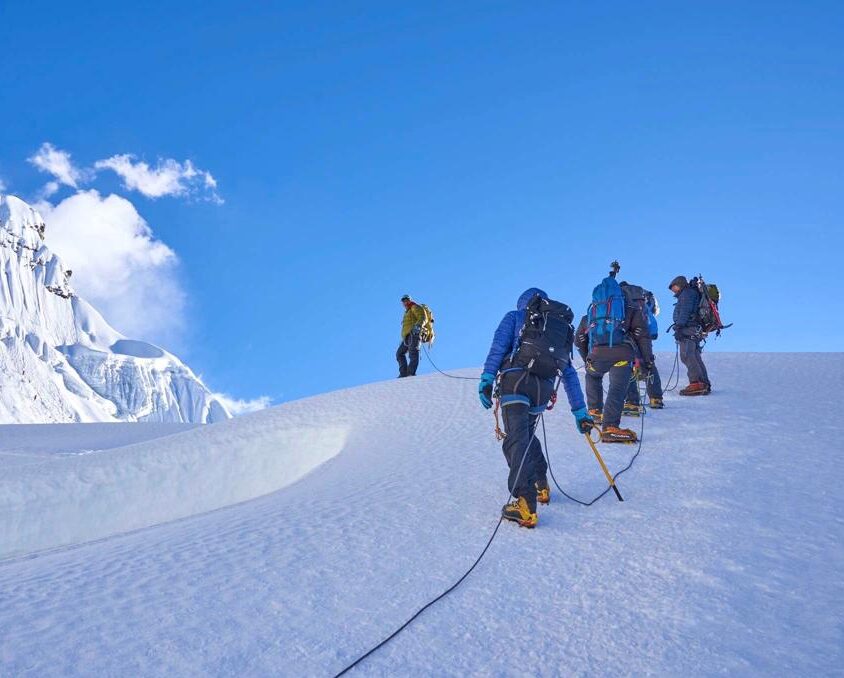
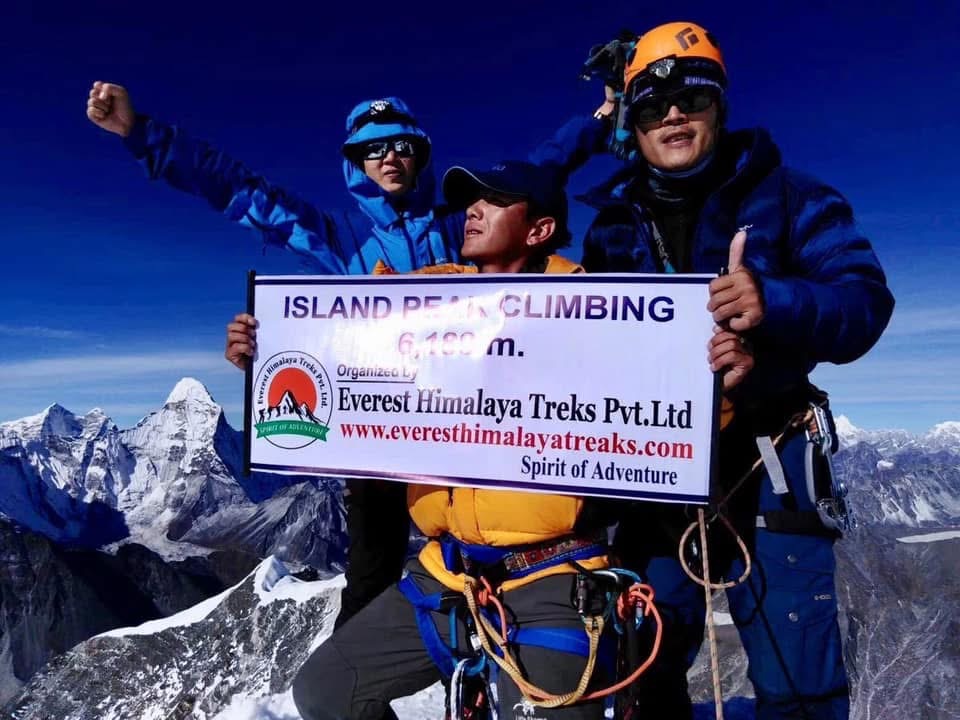
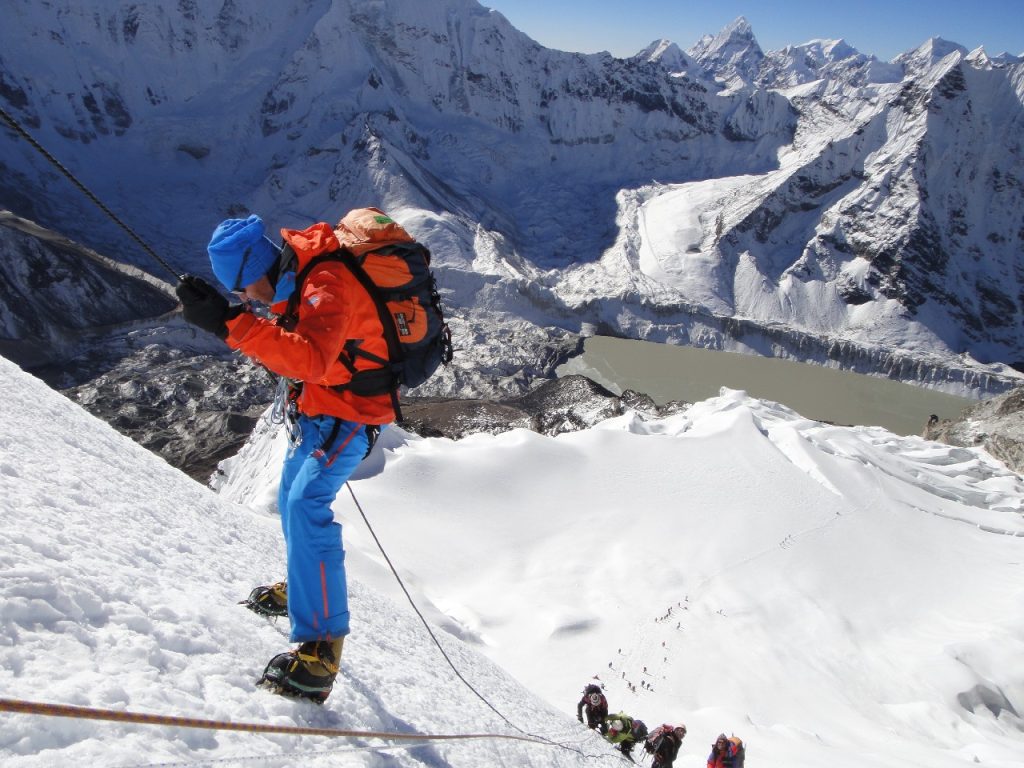
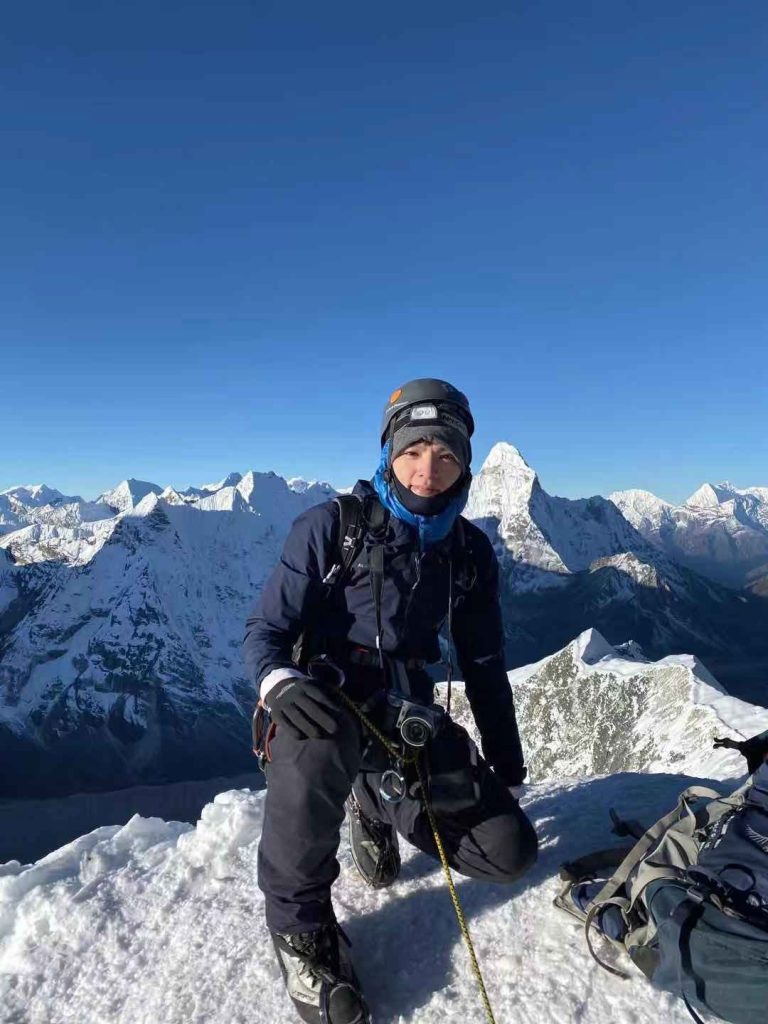
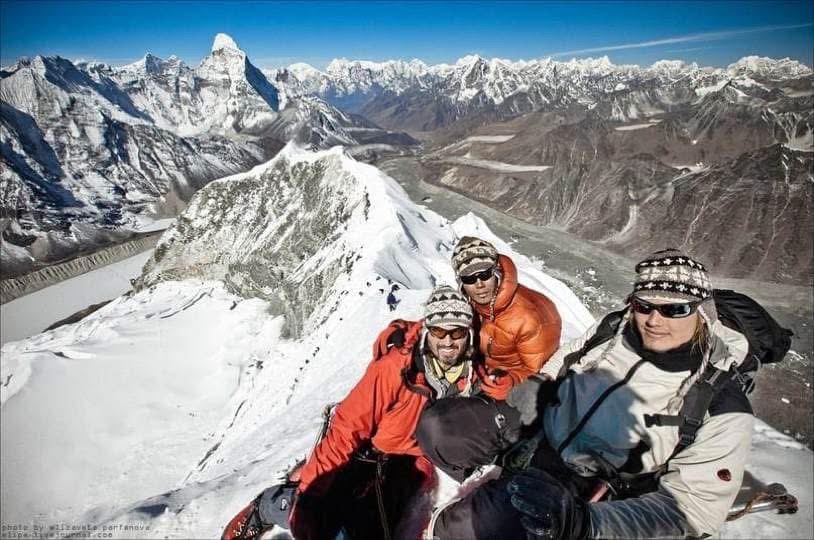
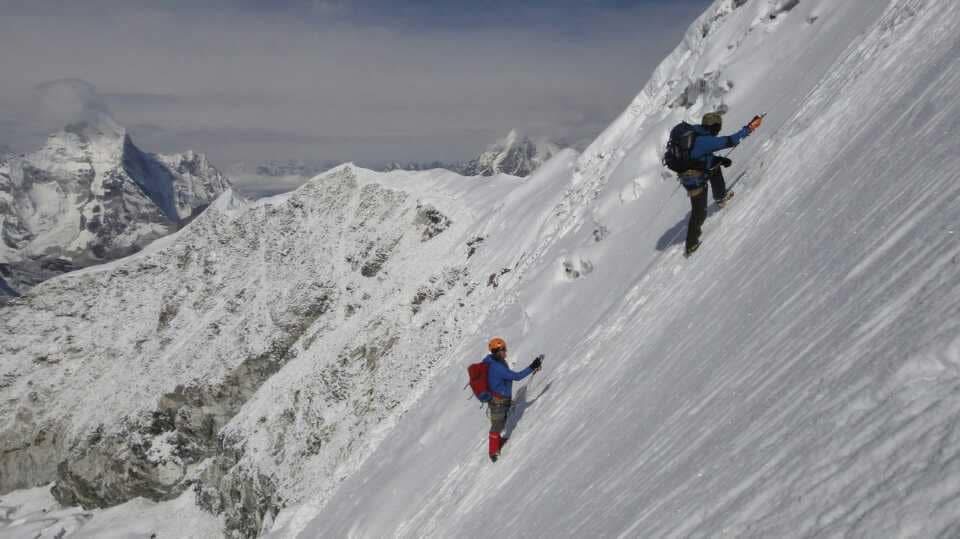
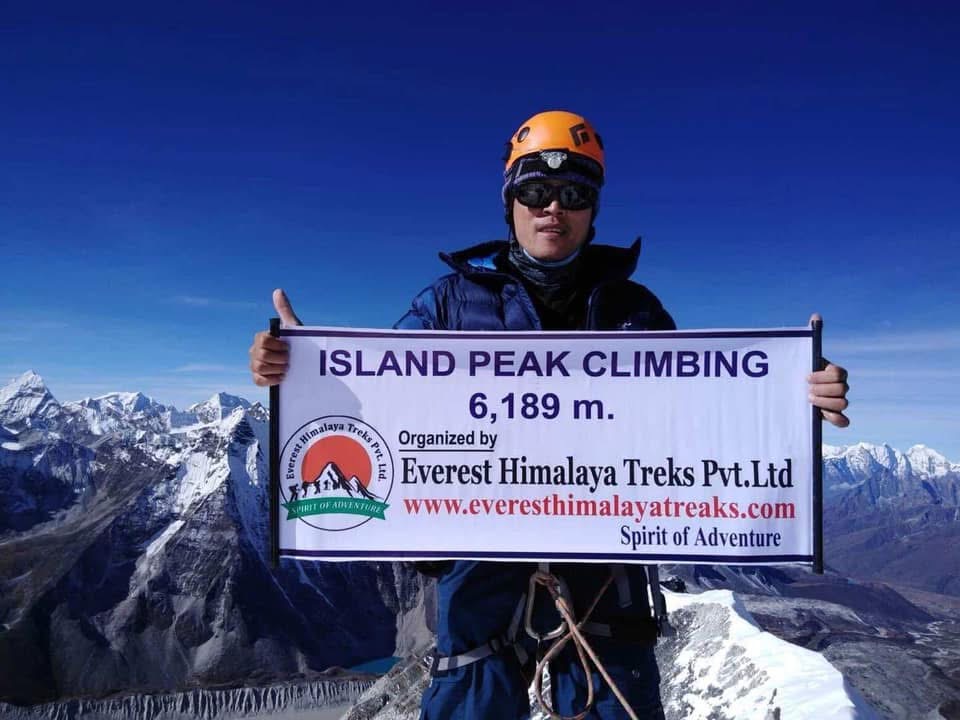
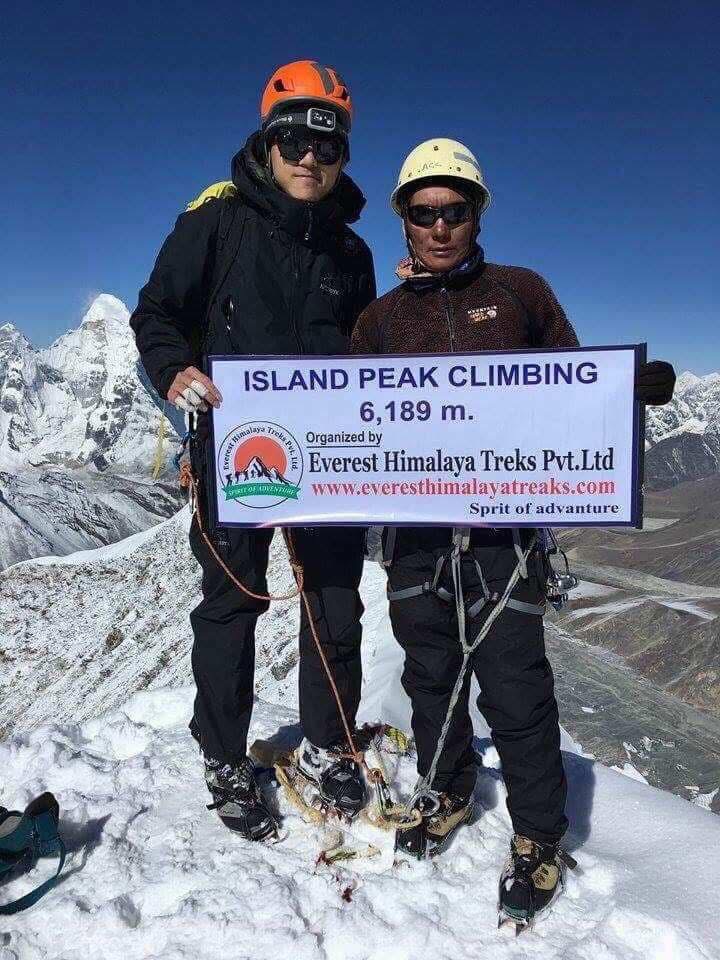
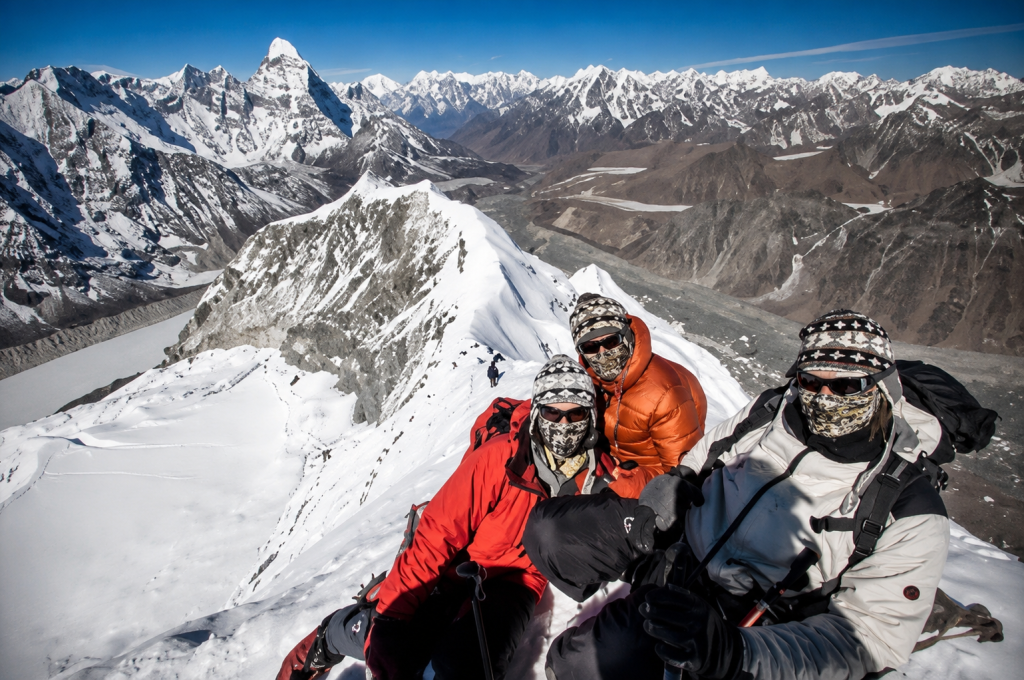
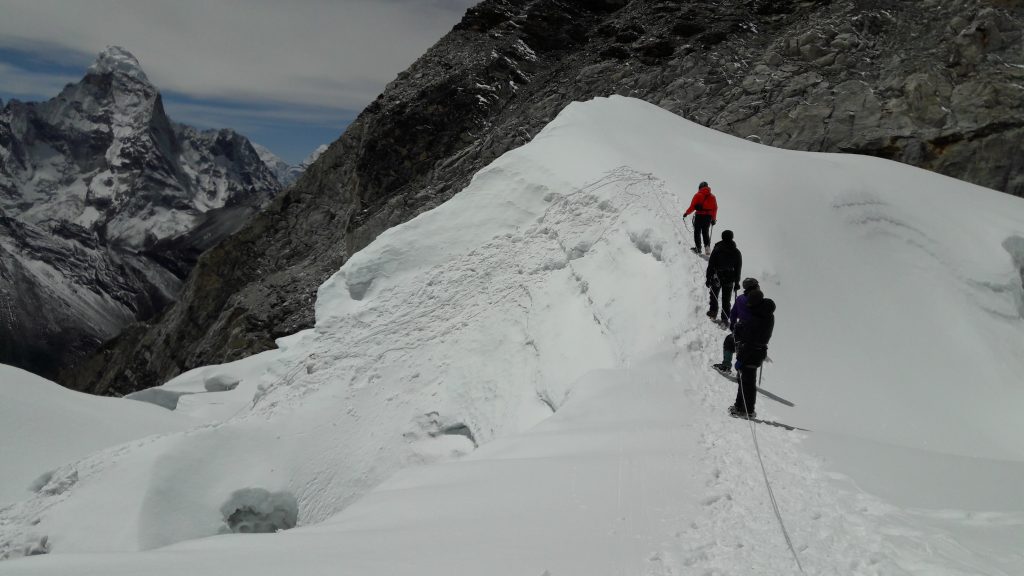
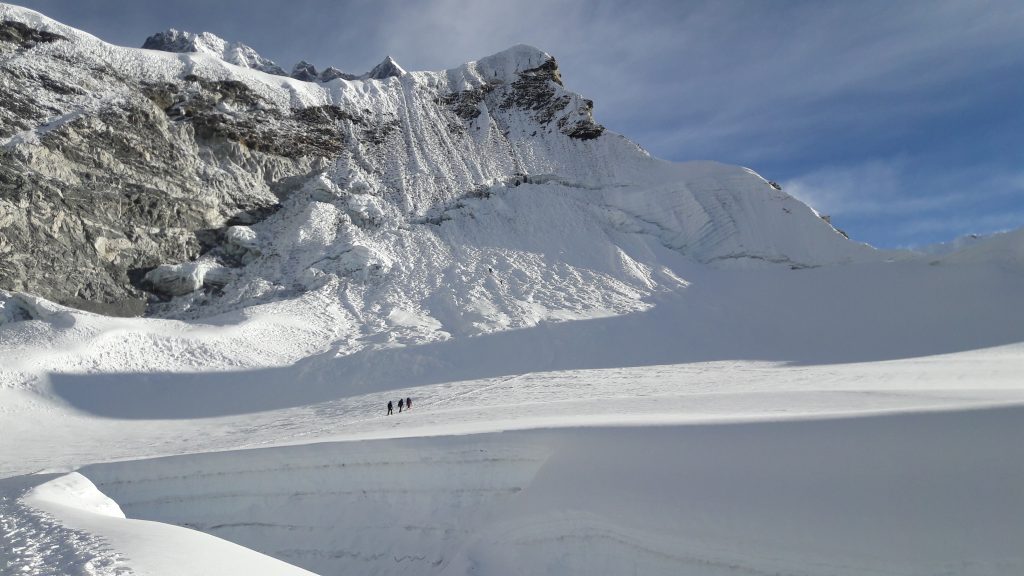
Island Peak is a combination of a great trek and an ideal climb for aspiring Himalayan mountaineers. It is also known as Imja Tse, an imposing summit rising above 6,189m nested in the heart of the Khumbu region above the glaciated valley. It is the most popular summit hike over 6000m in the Khumbu, mostly non-technical but the basic understanding of climbing skills is always an advantage. Ascent to Island Peak is a superb entry for experienced trekkers and novice mountain climbers who want to seek the taste of climbing in higher and outrageous peaks above 6,000 meters.
The trip begins in Kathmandu where you explore the diversity of the capital and cultural hub of Nepal. Leaving Kathmandu, we take a short rollercoaster flight into the mountain strip of Lukla, the entranceway to the Everest. Our itinerary is well designed to acclimatise gradually whilst trekking up the Khumbu Valley, before climbing Island Peak. The trek follows the legendary route of Sherpa Country; where you spend nights in the tea-house lodges run by Sherpa Families set against soaring altitudes, before a trek to Dingboche via the prosperous village of Namche. From here, you embark for the climb of Island Peak; which provides moderate challenge for climbers. Standing atop the summit.
Island Peak Climbing Highlights
- Everest region is a popular trekking and climbing activity in Nepal
- The Highest Tyangboche Monastery in Khumbu region
- Wildlife like musk deer, colorful pheasants, snow leopard, and Himalayan tahr
- Namche Bazaar - famous Sherpa town
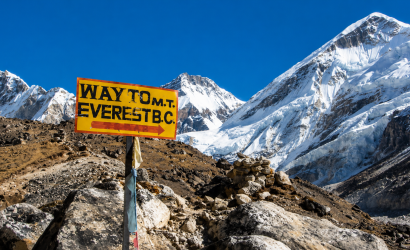
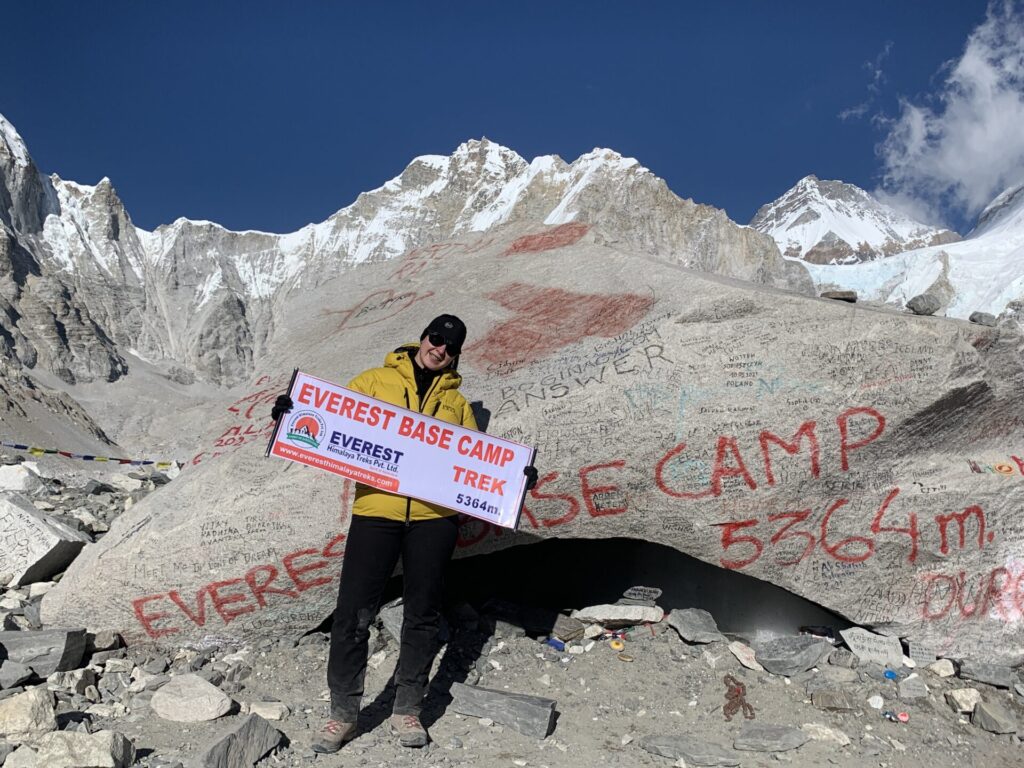
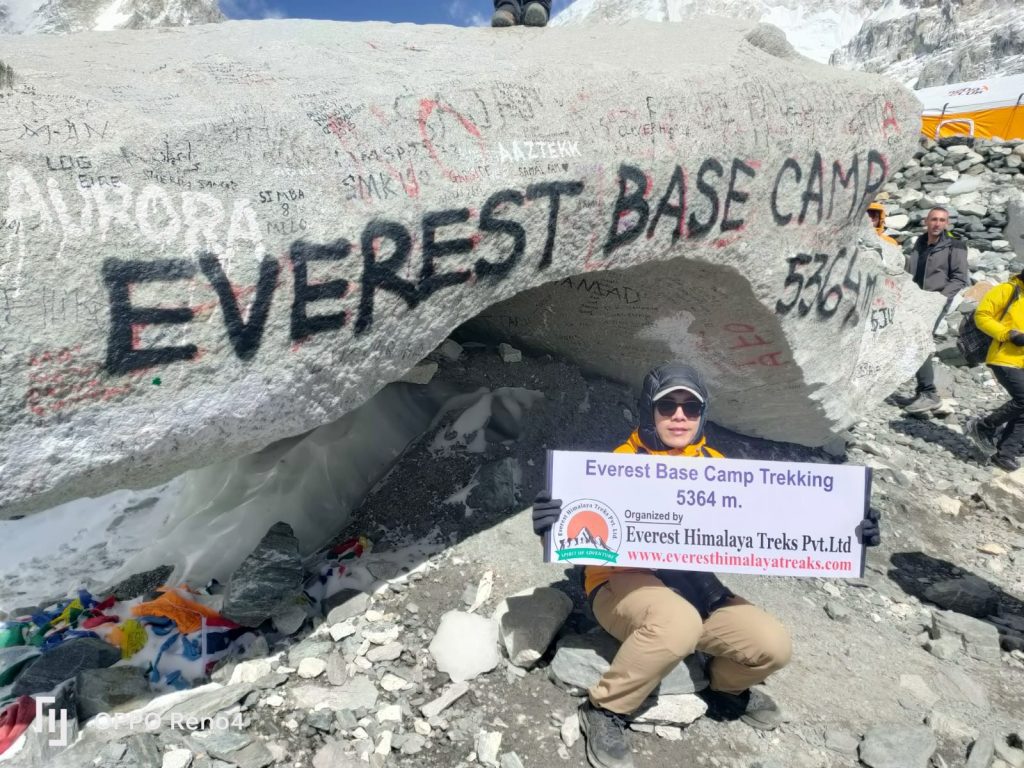
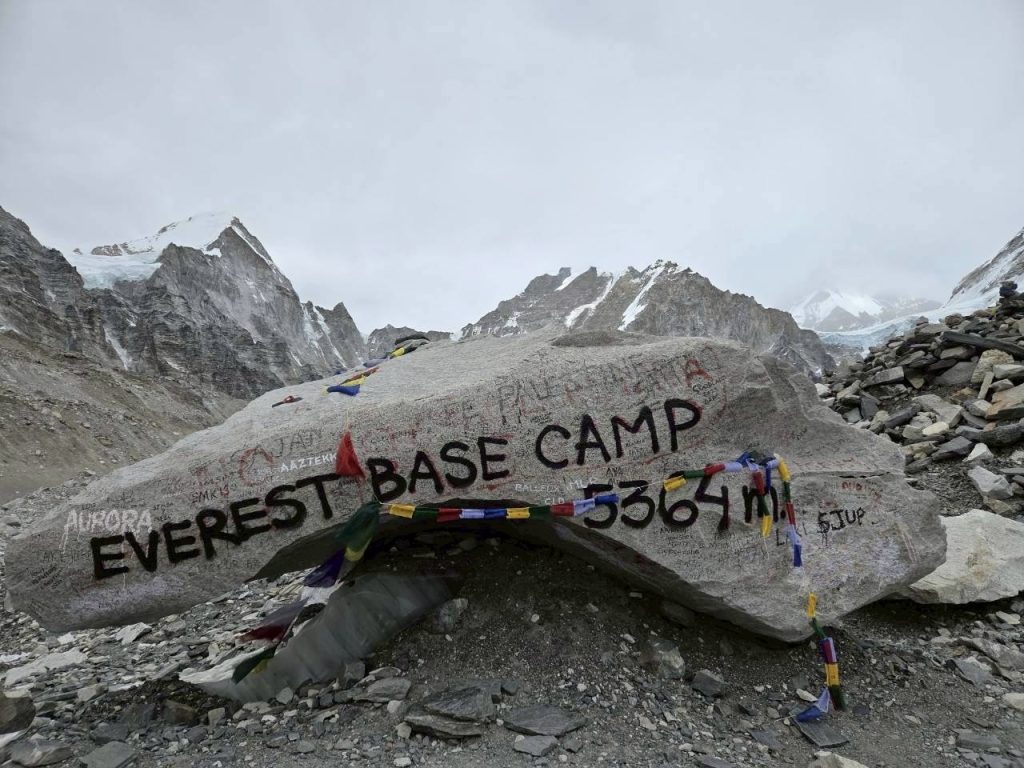
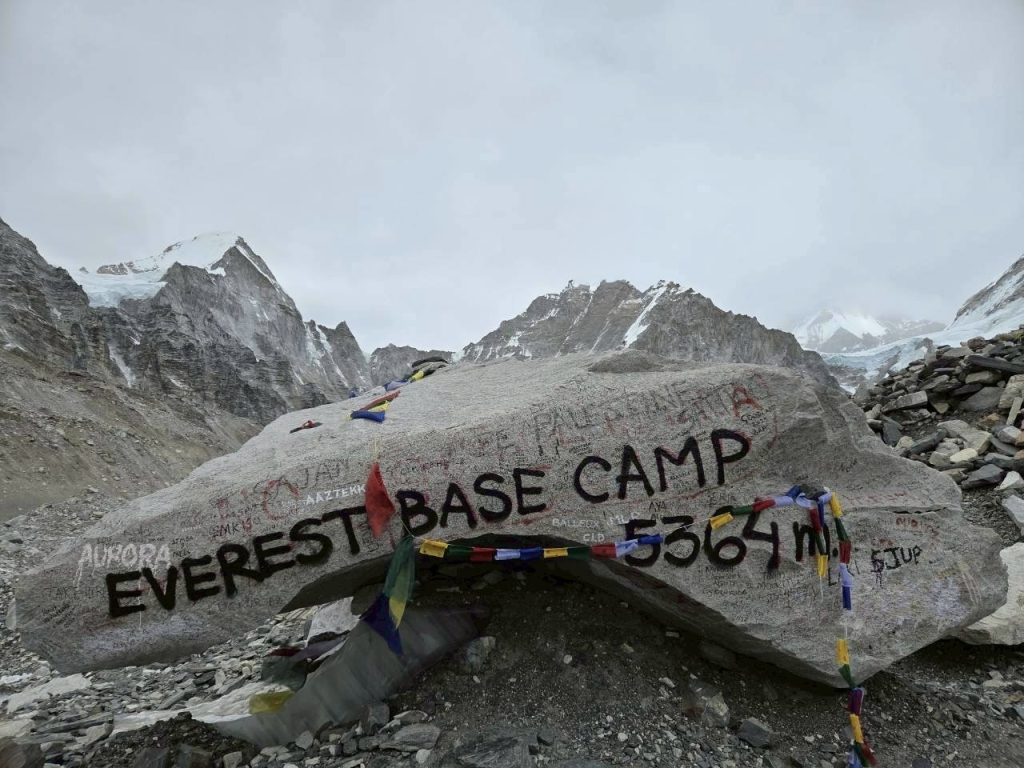
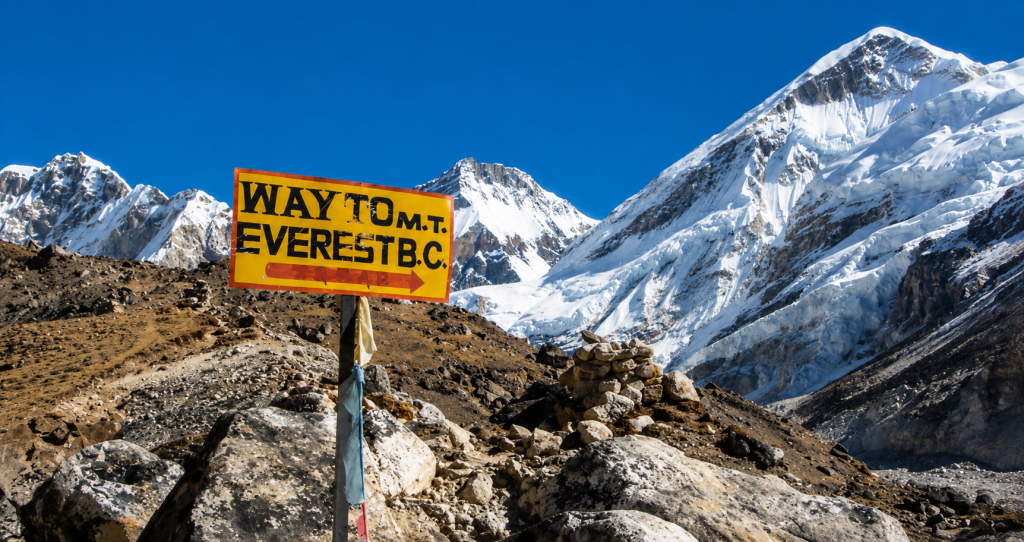
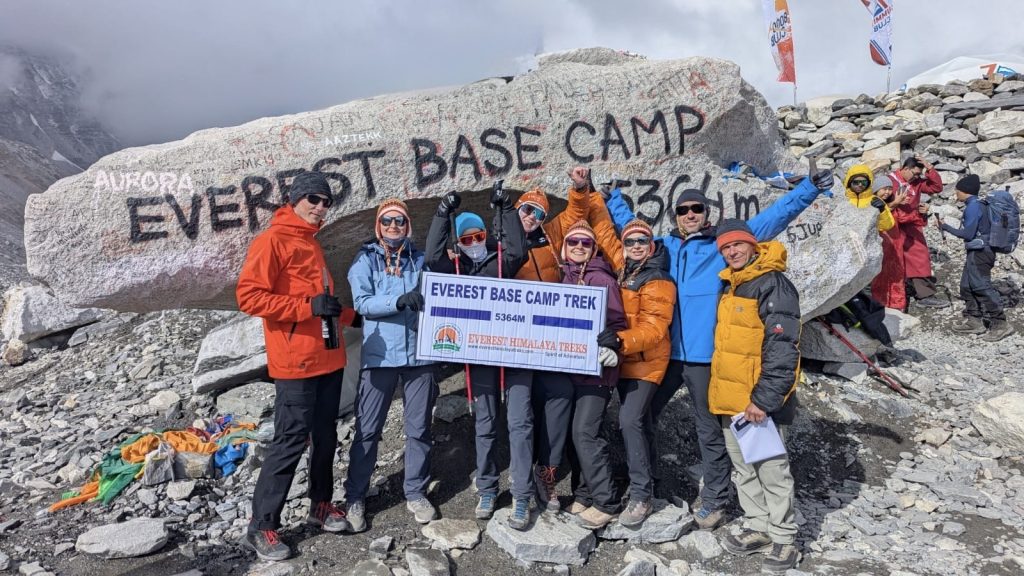
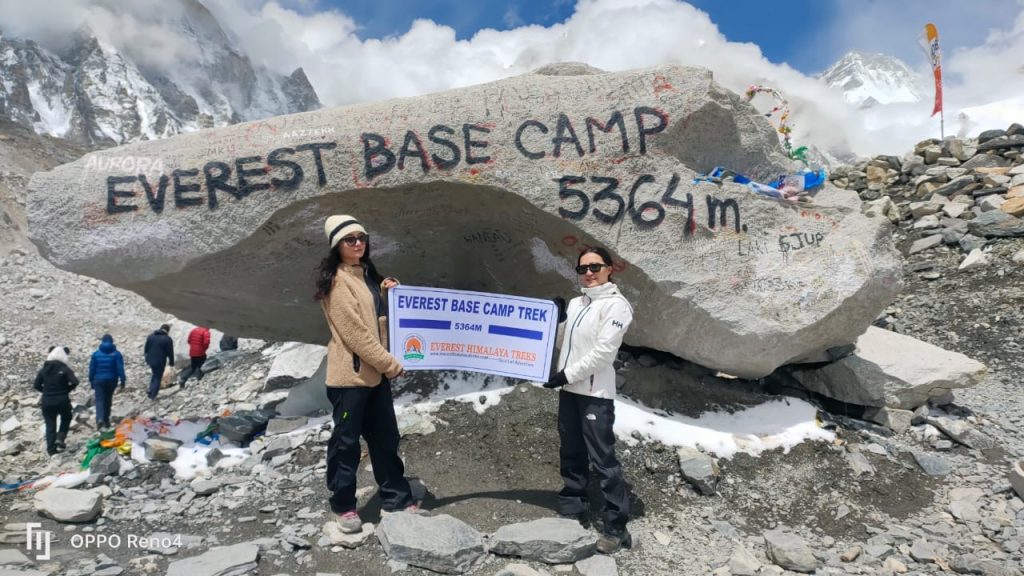
- Everest Base Camp (5,364m)
- Located at Sagarmatha National Park
Itinerary
Kathmandu to Ramechhap drive, 3-4 hours, Fly to Lukla 20 minutes (2,850m / 9,350ft), trek to Phakding (2,650m / 8,690ft) – Flight duration: 20 minutes – Walking hours: 3-4 hours – Distance: 8 km
Trek from Phakding to Namche Bazaar (3,440m / 11,285ft)- Walking hours: 5-6 hours – Distance: 11 km We begin the six-hour trek along the banks of the Dudh Kosi, crossing several tributaries of this majestic river many times on thrilling suspension bridges adorned with prayer flags. After entering Sagamartha National Park, the trail climbs steeply, providing you with breathtaking views. Namche Bazaar, known as the “Gateway to Everest,” is home to several quality restaurants, hotels, lodges, internet cafes, shops, and a bakery. Namche (3441m) is one of the biggest towns along the Everest trail.
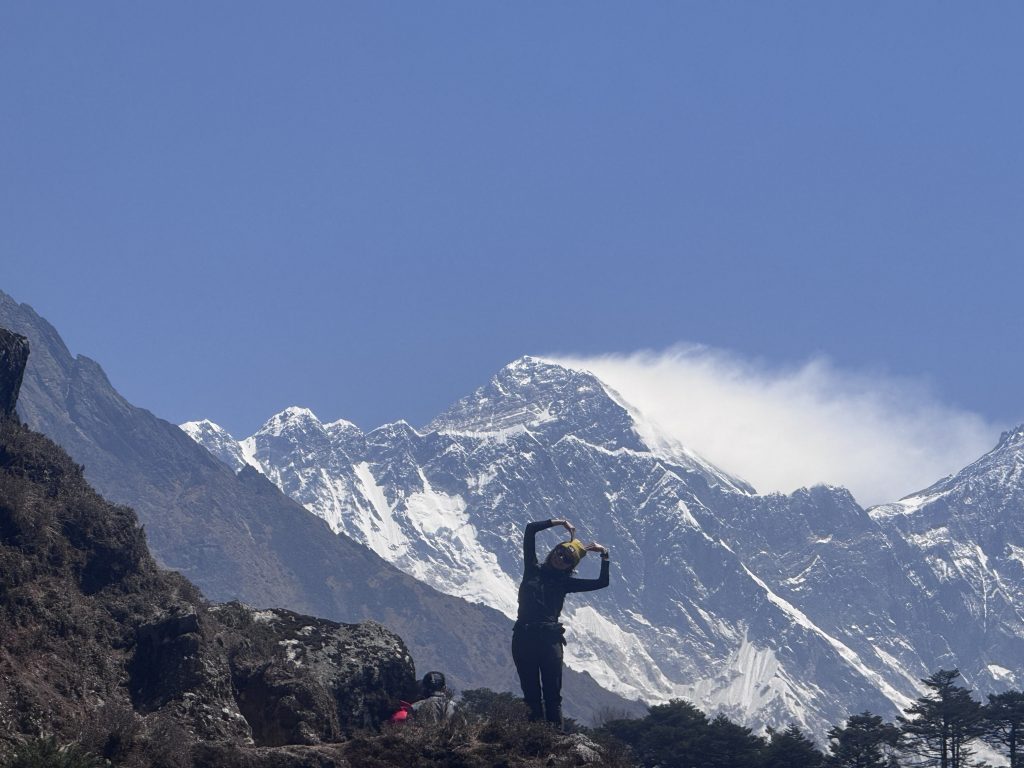
We will spend a day at Namche to adjust to the high altitude. You should not miss visiting the Sherpa Museum to celebrate Sherpa’s traditional customs. Further, we will hike to the Syangboche Airport and the Everest View Hotel. From Everest View Hotel, you can see rewarding views of the Himalayas (including Everest) with a stunning sunrise and sunset over the panorama of Khumbu peaks.
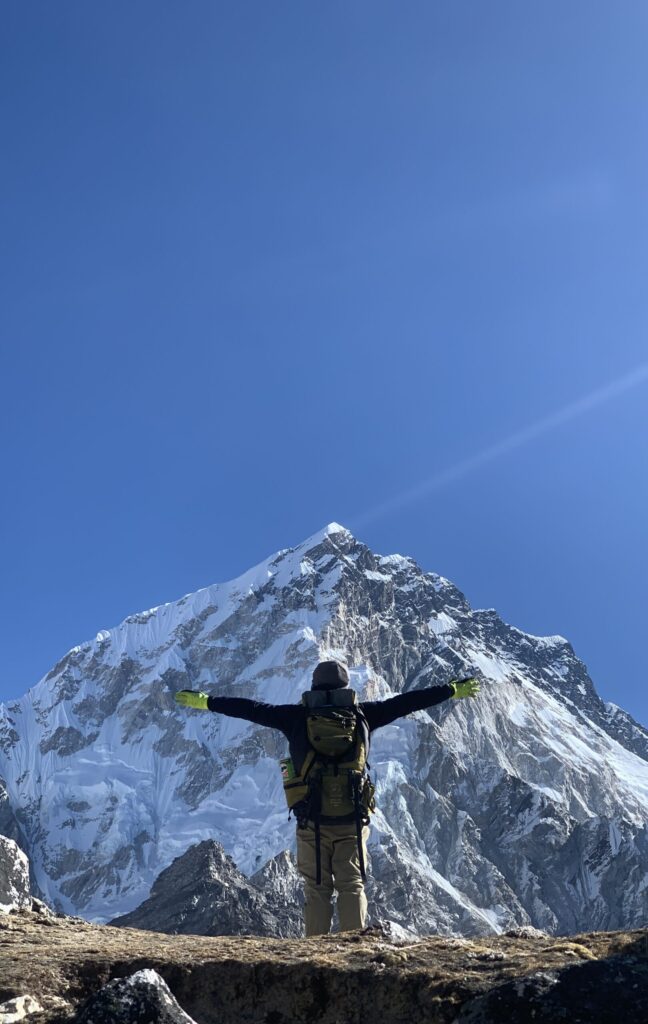
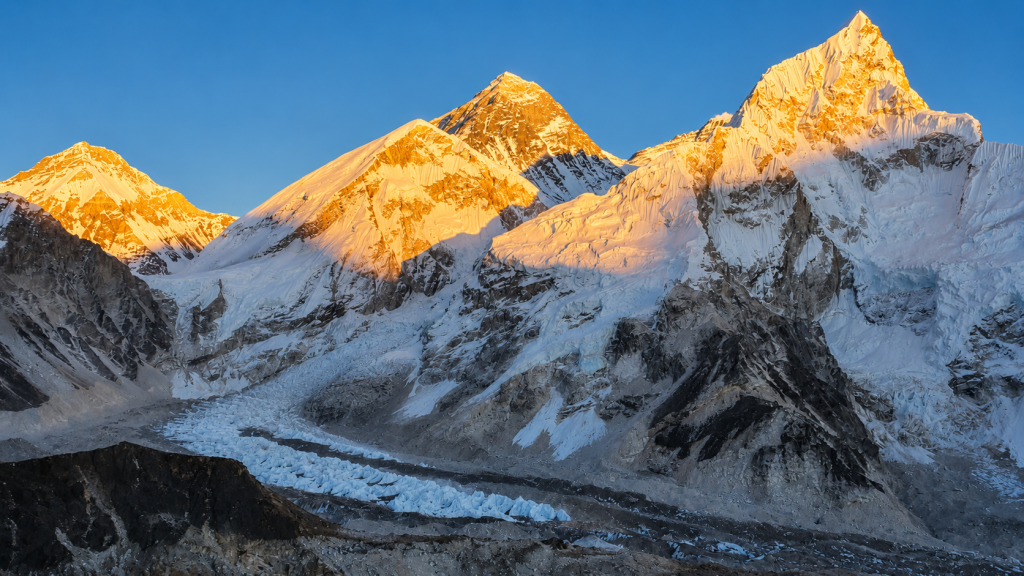
After our early morning breakfast, we will begin our trek to Deboche. On the way, we will enjoy the stunning views of Mt. Everest, Nuptse, Lhotse, and Island Peak. The trail leads us up and down as it becomes challenging, but you’ll enjoy great views of the Himalayas. You may also spot wildlife on the way, such as musk deer, pheasant, and Himalayan tahr.
We will further trek down to cross the Dudh Koshi River. After passing through dense alpine forests, you will reach a small settlement called Phunki Thenga. As you trek ahead from Phunki Thenga, you will eventually get to Tengboche after a steep climb through a pine forest. In Tengboche, you will see the biggest Buddhist monastery in the Khumbu Region – Tengboche Monastery.
This monastery was founded in 1923 but was destroyed twice – first in 1934 by an earthquake and then by a fire in the early 1990s. With the help of the Sir Edmund Hillary Fund, the monastery was restored. With spare time, you can visit the monastery and observe their prayers in the afternoon.
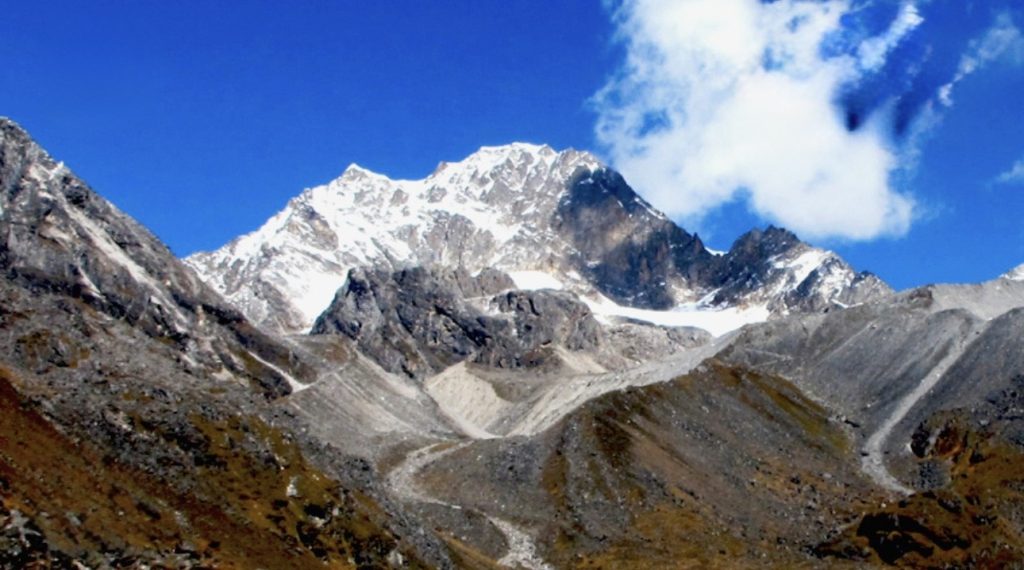
We continue trekking uphill to Pangboche, past many chortens, mani walls, and small villages. You can see spectacular views of the Mt. Island peak from the trails. You will be entering the Imja Valley following the Lobuche River and trekking on a steeply ascending trail to Dingboche. From Dingboche, we can see the Island peak (6,812m) and Mt. Lhotse (8,516m).
After breakfast, we head east towards the Chukhung Valley, passing through the stone-walled fields of Imja Khola Valley. While walking on the rocky trail, you will get stunning views of Mt. Lhotse and Ama Dablam. Eventually, you will reach your destination, Chhukung. At Chhukung, we check into our lodge rooms and meet our guide, who will brief us about the climb and preparations.
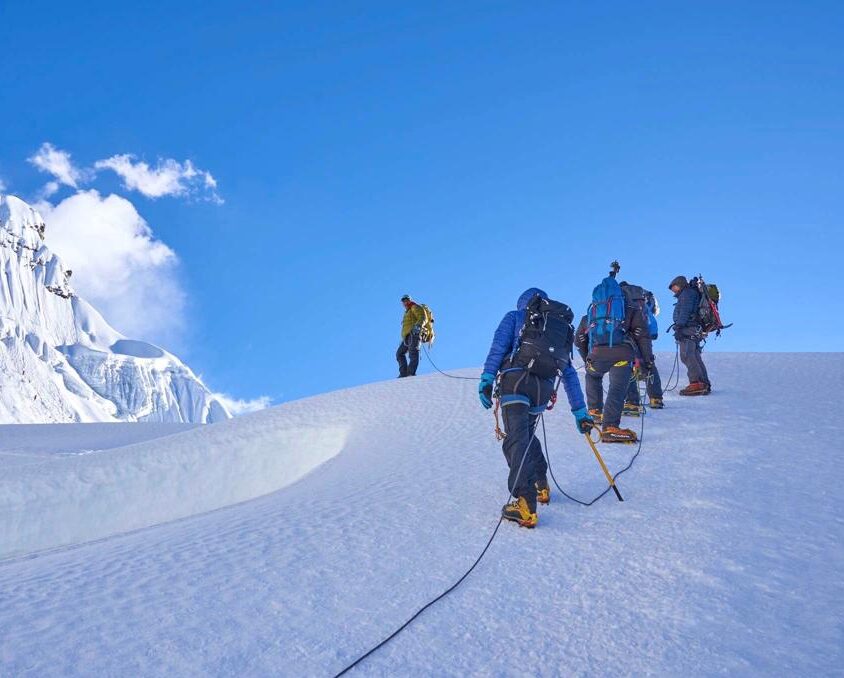
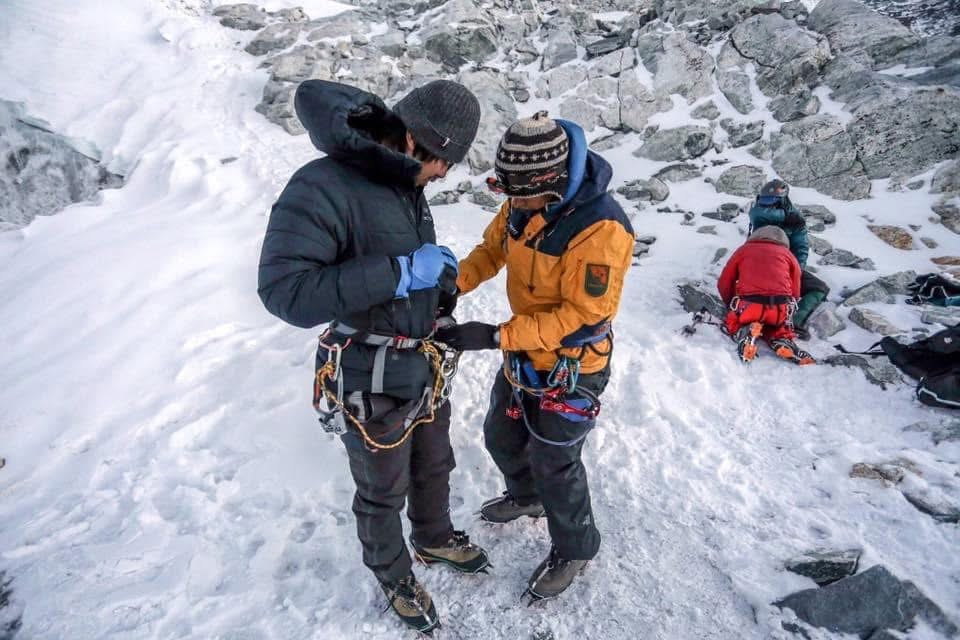
Today is another day for acclimatization day at Chukung ri 5440m it too3-4 hour. After lunch our Sherpa climbing guide will train you on peak climbing and teach you how to use the ice axes, climbing boots, crampons, harness, etc. Island Peak does not require prior training experiences. However, past climbing experiences will boost climber confidence and increase the chances of scaling the summit.
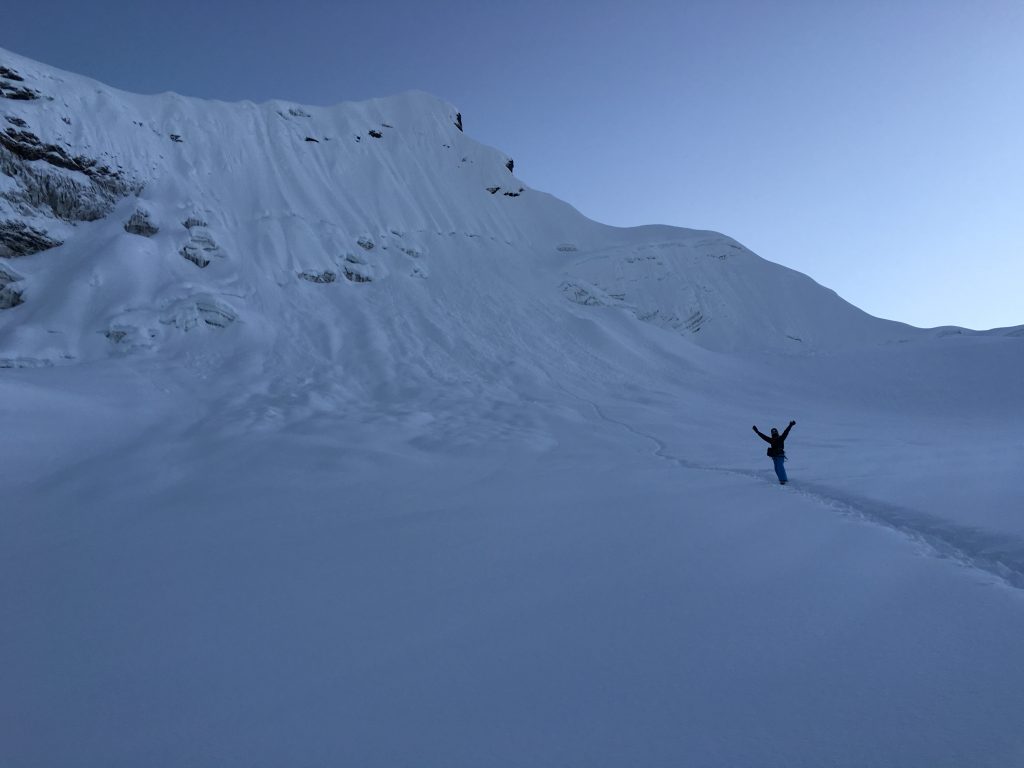
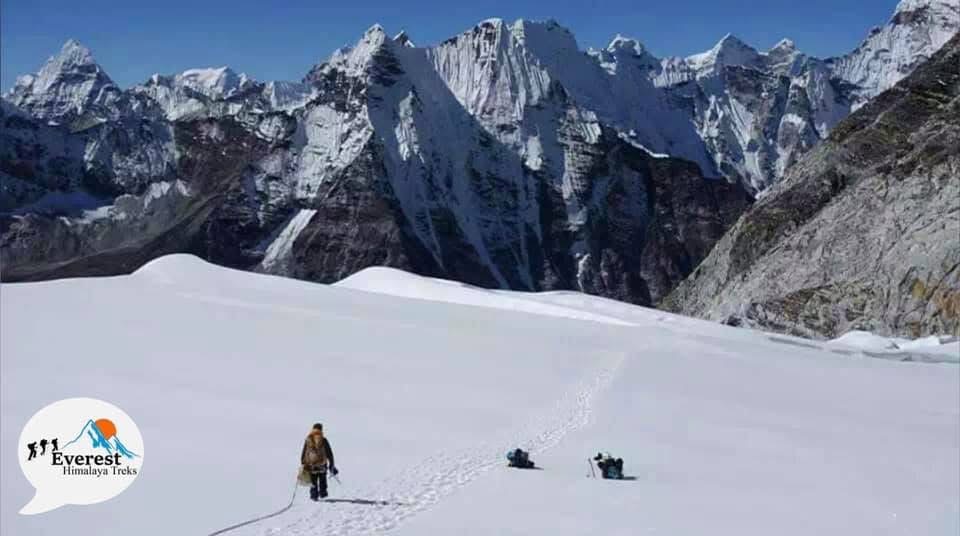
From Chhukung, we ascend northwards and follow this valley along the moraine from the Lhotse glacier to the east. A short hike by the river leads up to a big rock, and after a 40-minute climb, we reach Island Peak Base Camp. After setting up our tents, you will get short training on peak climbing techniques, including using gear such as ice axes, climbing boots and crampons, harnesses, and rope skills.
Today, you will retrace your steps on the same rocky trail to Chhukung and then to Dingboche. You will descend to Sagarmatha National Park, a UNESCO World Heritage Site, where the famous Pangboche monastery, the biggest monastery in the Everest region, lies.
The trail to Namche Bazaar takes us through forests teeming with wildlife like pheasants, musk deer, mountain goats, or even snow leopards. We will be trekking on the steep slopes and trails with several bends, past prayer flags hung along the way. While heading back, you can click pictures and enjoy the views of the tip of Everest and the backside of Lhotse. After finally arriving at Namche Bazaar, we will head to our lodges and rest.
Our last day on the trekking trails will be rewarding as we return to the Dudh Koshi Valley. The route is generally quite gentle back uphill to Lukla from the Kusum stream. Before rushing to Lukla, the trail heads steeply up to the west. After the first climb, the path reaches a small village, and then we take a left turn up into the trees. The trail ahead leads down to the main trail joining at the sidestream before reaching Toktok Village.
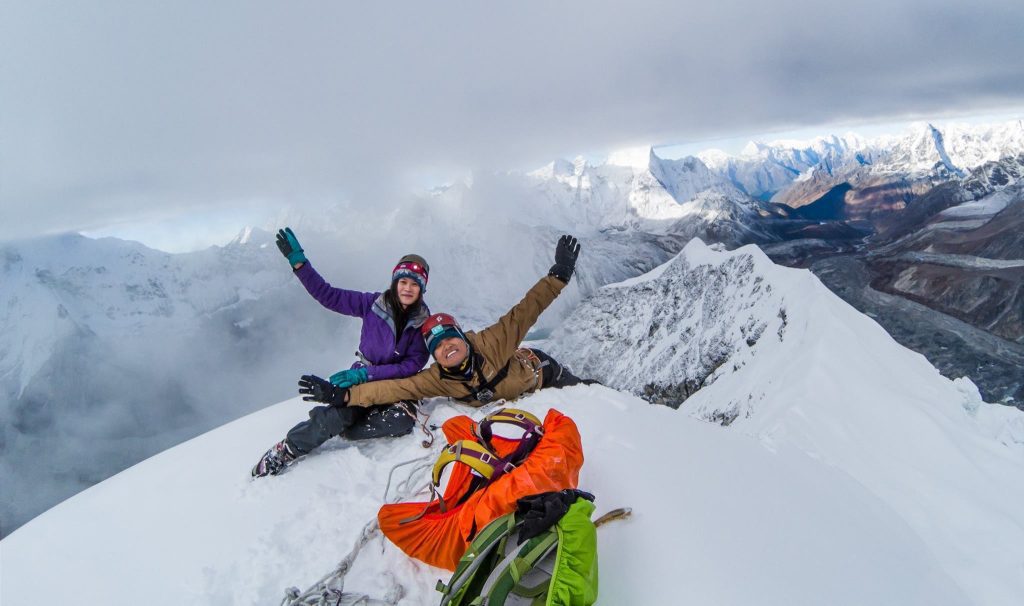
If the trek proceeds as planned, you will be flying back to Kathmandu in the early morning. The 40 minutes flight back to Kathmandu will be a relaxing one, as you will feel a sense of accomplishment from climbing Island Peak. Upon arrival in Kathmandu, you will head to your respective hotels, and it is entirely up to you, how you spend your time.
International Airport by one of our Everest Himalaya Treks, 3 hours before your flight to return. We hope you had a great journey to Island Peak Climbing with the wish of seeing you soon, we wave you goodbye. And if you have a longer vacation and want you to wel come to have another trip.
Includes/Excludes
Cost Includes
- Airport Pick up Drop to Airport on your arrival Day and departure day
- Government licensed Holder Experience Trekking Guide
- Meal 3 time Breakfast,Tea/ Coffee,Lunch, Tea/ Coffee and Dinner Tea/ Coffee
- Trekking Staffs Salary, insurance, meals, accommodation, equipment,transportation, etc.
- Assistance guide (depending on group size over 5 pax
- 2-night Hotel in Kathmandu included breakfast.
- Government licensed Holder Experience Trekking Guide
- Well-experienced Climbing guide with all his allowance and expenses.
- All camping gear for member tent, dining tent, rope,staff, kitchen tent, etc.
- All required personal and group climbing gear, including climbing boots
- Island peak climbing(Permit)royalty of US$ 250 per person
- Climbing guide insurance
- Climbing certificates for successful climbers.
- Trekking Staffs Salary, insurance, meals, accommodation, equipment, transportation, etc.
- 1 porter (sharing by two clients) with Insurance, food, and accommodations.
- Medical first Aid kit box( which is carried by Guide)
- Sagarmatha National Park entry permit
- Khumbu Pasang Lhamu municipality (Trekking Card) fees
- Trekking maps
- Round trip flight Ticket Kathmandu-Lukla-Kathmandu
- Emergency rescue service arrangement ( Please do Insurance from your country that covers Medical and Evacuation)
- Farewell dinner at the end of the trek in Kathmandu.
- Everest Himalaya Treks waterproof Duffle Bag use for during trek
- Sleeping Bag use for during trek
Cost Excludes
- Personal expenses such as phone calls, laundry, bar bills, battery recharge, extra porters, bottled or boiled water, shower etc.
- Your travel insurance.
- Nepal Visa fee (US$ 40 for 30 days and US$ 25 for 15 days you should get a visa open on your arrival.
- Items of personal expenses like hot shower, battery charge, telephone, Porters, etc.
- Lodging and Food in Kathmandu and Pokhara in case of earlier arrival than the scheduled date from the trek
- Extra Night accommodations in Kathmandu, (delay departure or early arrivals from Mountains)]
- Any kind of drinks and desert like coke, Mineral water, hot water, tea, coffee, beer, whisky.
- Extra night accommodation if required (in Kathmandu or Pokhara)
- Tips for Guide and Porters
- Personal expenses such as phone calls, laundry, bar bills, battery recharge, extra porters, bottled or boiled water, shower etc.
FAQs
Overview: This adventure combines the classic trek to Everest Base Camp with an ascent of Island Peak (6,189m/20,305ft). It offers a comprehensive Himalayan experience, including trekking through the Khumbu region and a non-technical climb of one of Nepal’s most popular trekking peaks.
Altitude Sickness Prevention:Acclimatize properly, stay hydrated, avoid alcohol, and consider medications like Diamox. Be aware of symptoms and communicate with your guide.
Communication: Wi-Fi is available in most teahouses for a fee, and mobile network coverage exists in many areas, though it can be unreliable in remote regions. Satellite phones may be used for emergencies.
Insurance: Essential, especially a policy that covers high-altitude trekking and climbing, emergency evacuations, and medical expenses.
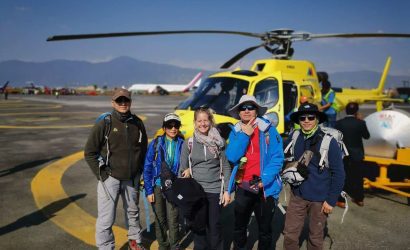
In case of severe altitude sickness or injury, emergency evacuation by helicopter can be arranged. Ensure your insurance covers this.
Accommodation: Basic teahouses or lodges during the trek, with camping at Island Peak Base Camp. Teahouses offer basic amenities, while camping requires a more rugged setup.
Map


Write a Review