Sagarmatha National Park, established in 1976, is a UNESCO World Heritage Site renowned for its breathtaking landscapes, cultural richness, and biodiversity. Located in the Khumbu region of northeastern Nepal, the park is home to the world’s highest peak, Mount Everest (Sagarmatha in Nepali), which towers at 8,848.86 meters (29,031.7 feet). The park spans an area of 1,148 square kilometers (443 square miles) and encompasses a rugged terrain of mountains, glaciers, and deep valleys.
The park is not just a haven for mountaineers and trekkers but also a sanctuary for a wide variety of flora and fauna. The Sherpa people, who are the indigenous inhabitants of the region, have a rich cultural heritage closely linked to Tibetan Buddhism, with many monasteries and sacred sites scattered throughout the park.
Highlights of Sagarmatha National Park
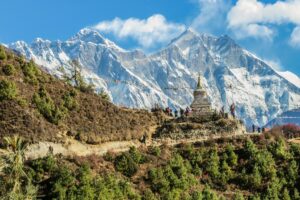
Mount Everest:The park’s centerpiece, attracting climbers and trekkers from around the world. The Everest Base Camp trek is one of the most famous treks globally.
2. Biodiversity:Home to rare species like the snow leopard, red panda, Himalayan tahr, and over 200 bird species, including the Impeyan pheasant (Nepal’s national bird).
3. Sherpa Culture:Explore the traditional lifestyle, monasteries, and religious practices of the Sherpa community, particularly in villages like Namche Bazaar, Tengboche, and Dingboche.
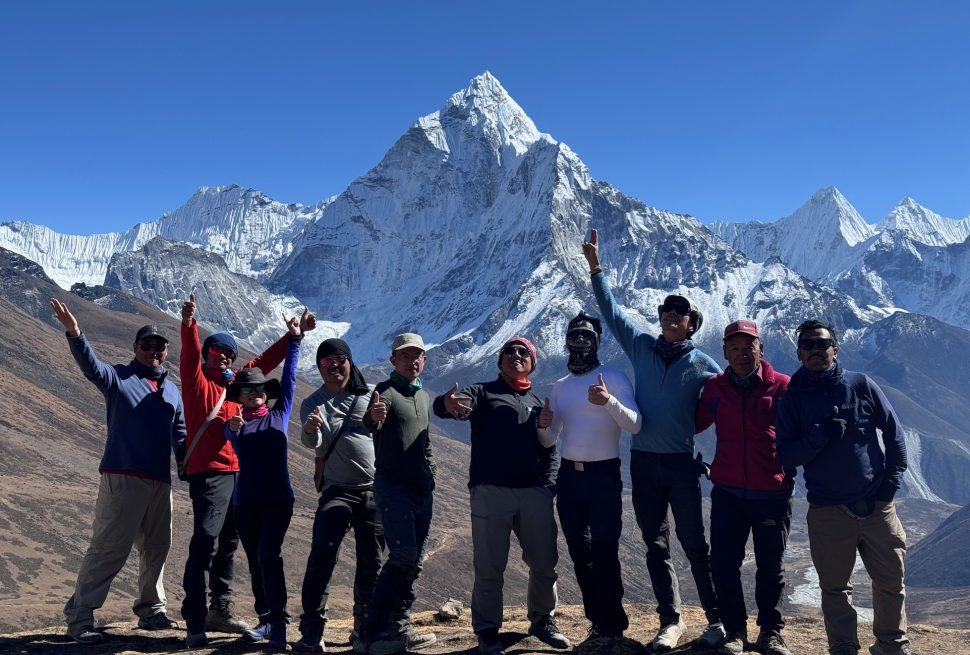
4. Tengboche Monastery:The largest and most significant monastery in the region, offering spiritual insights and stunning views of Everest and Ama Dablam.
5. Scenic Trails:Trekking routes like the Everest Base Camp, Gokyo Lakes, and the Three Passes trek offer unparalleled views of the Himalayan peaks and glaciers.
6. Gokyo Lakes:A series of turquoise glacial lakes located at an altitude of over 4,700 meters, considered sacred by the local people.
FAQs About Sagarmatha National Park
1. How do I get to Sagarmatha National Park?
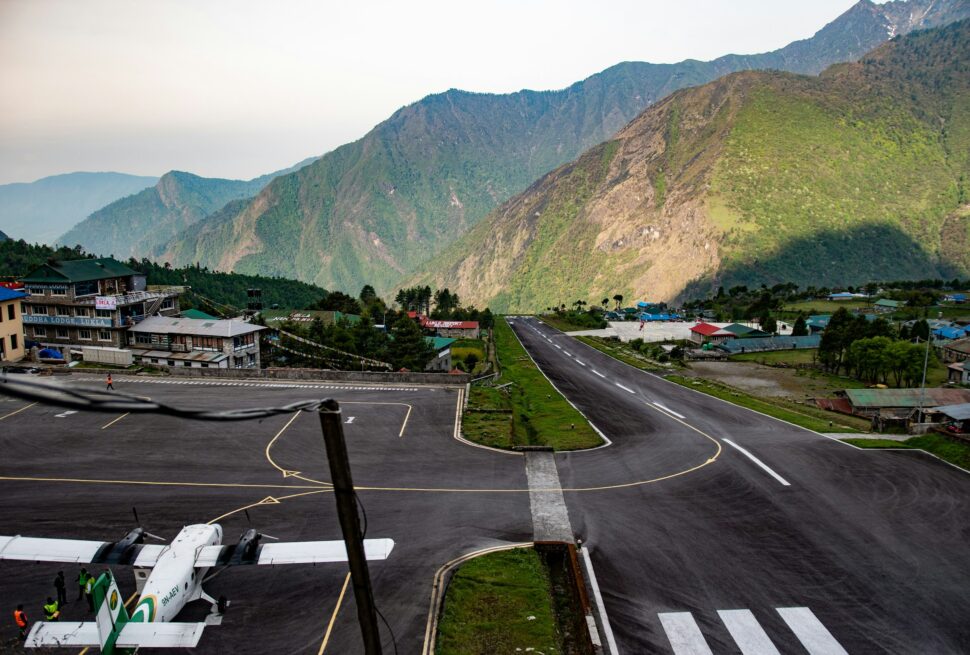
You can reach the park by flying from Kathmandu to Lukla, the gateway to the Everest region. From Lukla, trekking is the primary means of transportation within the park.
2. When is the best time to visit?
The best time to visit is during the pre-monsoon (March to May) and post-monsoon (September to November) seasons when the weather is clear and the trails are most accessible.
3. What is the altitude range in the park?
The park ranges from an altitude of 2,845 meters (9,334 feet) at Monjo to 8,848.86 meters (29,031.7 feet) at the summit of Mount Everest.
4. What kind of permits do I need?
You will need a Sagarmatha National Park Entry Permit and a Khumbu Pasang Lhamu Rural Municipality Permit. For those trekking in the Everest region, a TIMS (Trekkers’ Information Management System) card is no longer required.
5. Are there any health risks I should be aware of?
Altitude sickness is a major concern. It’s essential to acclimatize properly, stay hydrated, and know the symptoms of altitude sickness. Travelers are also advised to have comprehensive travel insurance that covers high-altitude trekking.
6. Is there mobile and internet connectivity in the park?
Mobile networks and internet (through Wi-Fi) are available in most villages along the main trekking routes, but connectivity can be sporadic and expensive.
Permits and Costs
– Sagarmatha National Park Entry Permit:NPR 3,000 (~USD 23) for foreigners and NPR 1,500 for SAARC nationals.
– Khumbu Pasang Lhamu Rural Municipality Permit**: NPR 2,000 (~USD 15), which must be obtained at Lukla or Monjo.
These permits can be acquired at the Nepal Tourism Board office in Kathmandu or at the entry points in the Everest region, such as Monjo or Lukla.on a cathode ray tube. A fixed image, also called a hard copy.
Heading One
Heading Two
Heading Three
Heading Four
Heading Five
Heading Six
Blockquote
The blockquote is used to indicate the quotation of a large section of text from another source. It can be as long or as short as you’d like!
Those of us that had been up all night were in no mood for coffee and donuts, we wanted strong drink. We were, after all, the absolute cream of the national sporting press.
Table Styles
| BEATLE | INSTRUMENT | SONG |
|---|---|---|
| John Lennon | Guitar | A Day In the Life |
| George Harrison | Guitar | Old Brown Shoe |
| Paul McCartney | Bass | Helter Skelter |
| Ringo Starr | Drums | Don’t Pass Me By |
Code Formatting
pre {
    position: relative;
    background: #f7f7f7;
    font-family: "Courier 10 Pitch", Courier, monospace;
    font-size: 15px;
    font-size: 1.5rem;
    line-height: 1.6;
    margin-bottom: 1.6em;
    padding: 1.6em;
    overflow: auto;
    max-width: 100%;
    tab-size: 4;
}
Mixed List Items
- Unordered list item one
- Unordered list item two
- Ordered list item one
- Ordered list item two
- Unordered list item one
- Unordered list item two
- Ordered list item one
- Ordered list item two
- Ordered list item three
- Unordered list item three
- Ordered list item three
- Unordered list item three