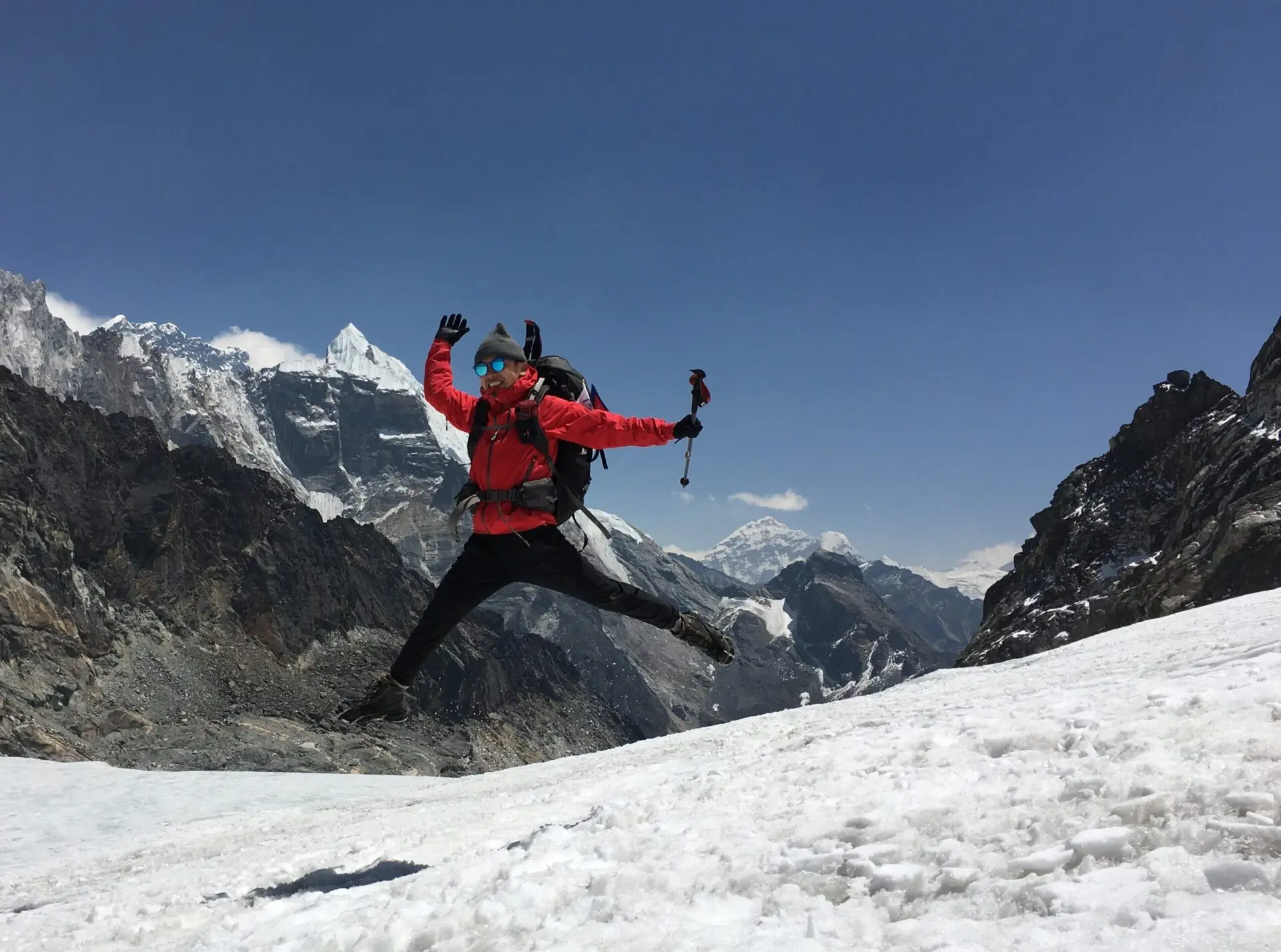
The Everest region, also known as the Khumbu region, is the most popular in the Hindu Kush Himalayan region. Located right at the border between northeastern Nepal and Tibet, the Everest region also houses the highest mountain in the world- the Mt. Everest (8,848 m). Sherpa people, one of the many ethnic communities, dominate the region. Thus, the Everest region is a glorious bundle of natural beauty and cultural hallmarks. The combination of pristine nature and heartwarming culture has attracted many travelers, both local and foreign, throughout the years.
Everest Region
Since the frequency of tourists is higher in Everest region than in other regions, it is one of the most developed regions for trekking in the country. As such, the Sherpa villages along the trekking trails are filled with teahouses and lodges which provide basic to luxury services on the trips. The rustic and splendid villages like Lukla, Namche and Tengboche also add beauty to the Khumbu region. In most of these villages, you can find many Buddhist monasteries; among which, Dawa Choling, Pangboche, and Thame are the most popular ones. Likewise, the Sagarmatha National Park is also one of the major attractions in the Everest region. The national park is also enlisted as a natural world heritage site by UNESCO and houses an incredible array of flora and fauna.
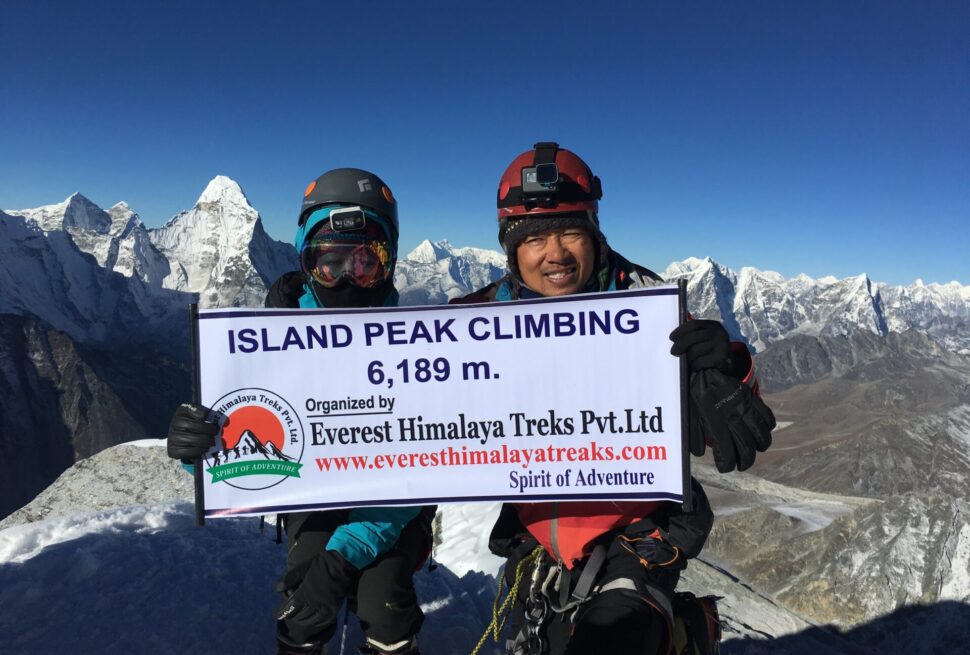
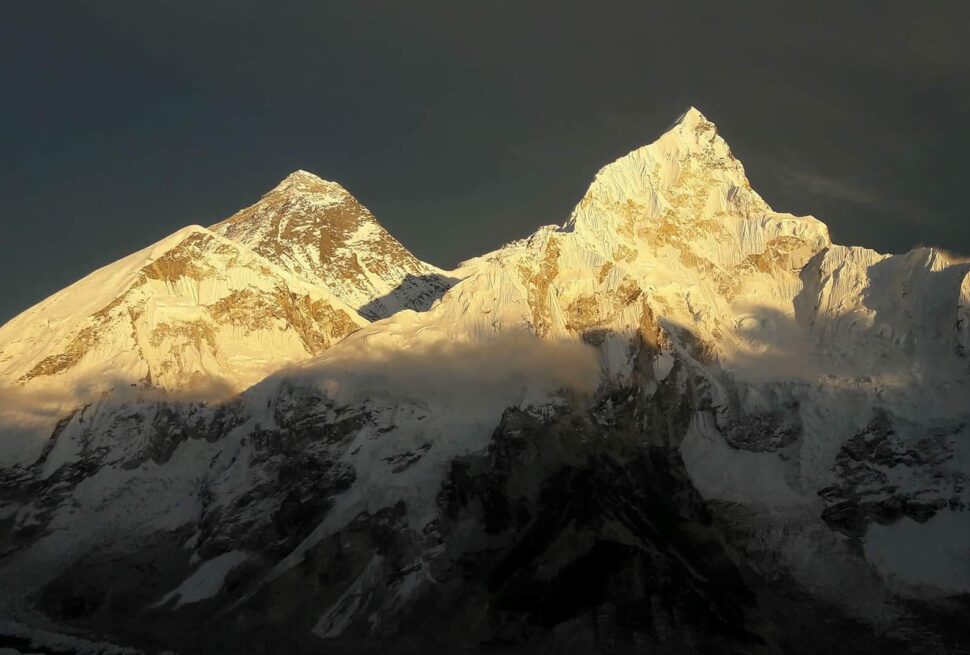
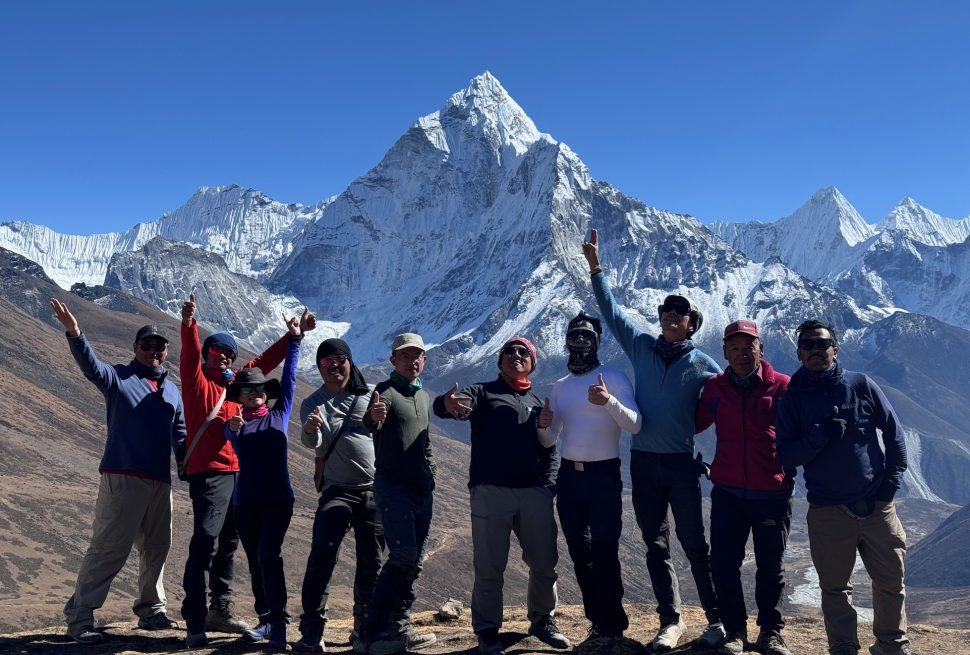
While there are numerous natural and cultural hallmarks in the region, the Himalayas steal the limelight. The region is home to mountains like the Mt. Everest (8848m), Lhotse (8516m), Cho Oyu (8201m), Nuptse (7861m), and Ama Dablam (6856m). Gokyo Lakes, Kalapatthar, and the three passes of Renjo La (5360m), Cho La (5420m), and Kauma La (5535m) are some of the other major highlights of this region. As such, several trekking trails allow you to enjoy these landmarks in the Everest region. The most famous trekking route is the Everest Base Camp Trek. Every thousands of travelers flock to this region to get a glimpse of the Mt. Everest (8848m) and climb till its base camp. Other popular treks are Everest View Trek, Gokyo Lakes Trek, and Three Passes Trek. Similarly, there are numerous peak climbing and expedition destinations as well. Island Peak (6189m), Lobuche Peak (6119m), and Mera Peak (6476m) are the illustrious peak climbing destinations. Mt. Everest (8848m), Lhotse (8516m), Cho Oyu (8201m), Nuptse (7861m), and Ama Dablam (6856m) are the celebrated expeditions in this region. As such, you can choose your favored way of exploring the Khumbu region from continuous treks to luxurious Heli rides.
The time to enjoy the Everest region to the fullest is during spring (March-May) and autumn (September-November) seasons. The weather is stable and clear during these months so, you don’t have to worry about hazy views and unpredictable snow or rain. If you want a bit of adventure, then you can visit during monsoon (June-August) and winter (December-February).
Annapurna Region
Annapurna region is the yet another popular destination for trekking and other adventure activities. It is located in the western region of Nepal, covering districts from Kaski to Mustang in the north. With its diverse landscapes and cultures, it has been a favorite among many travelers. A large span of the region is covered by the Annapurna Conservation Area which houses surreal biodiversity. Thanks to its mesmerizing diversity in geography, the region offers both off-beat and popular trails for trekking and other mountaineering ventures.
While the Annapurna region is immensely rich in natural wonders, its cultural heritage is the main attractions for the travelers. Villages like Ghorepani, Ghandruk, and Tadapani which lie in the southern part of the region are primary cultural attractions. These villages offer a unique combination of Gurung culture and views of Annapurna Himalayas. Likewise, Manang, Humde, Khangsar, and Nar Phu Valley lie in the northern skirts and display heavy influence from Tibetan culture and practices. Besides these culturally embellished villages, the Annapurna region also houses a fair share of attractions including the Thorung La Pass (5416m), Tilicho Lake (4920m), and the Kali Gandaki Gorge- the deepest gorge in the world. The Muktinath Temple, Jomsom, and Marpha are also few other notable destinations which lie towards the northwest part of the region. Marpha and Jomsom are the most popular places to see apple orchards and try products like apple juice, wine, jams, and other products. Likewise, Muktinath is a prominent pilgrimage destination for Hindus and Buddhists alike.
As the name of the region suggests, it is famous for the glorious Annapurna mountain range. The other neighboring ranges are Dhaulagiri, Gangapurna, Machhapuchhre, Lamjung Himal, Nilgiri, and Manaslu. There are many popular treks in this region which revolve around these Himalayas; starting with the Annapurna Base Camp Trek. Annapurna Circuit Trek, Ghorepani Poonhill Trek, Mohare Danda Trek, Nar Phu Valley Trek, and Mardi Himal Trek are some other popular treks in the Annapurna region. For mountaineers, Annapurna I Expedition stands out as a clear favorite. Similarly, peaks like Pisang Peak (6019m), Mardi Himal (5553m), Thorung Peak (6144m), and Chulu East Peak (6429m) are the famous peak climbing destinations. Finally, Pokhara, the City of Lakes is a celebrated tourist hub in the region. The valley offers adventure sports like paragliding, zip-lining, ultra-flight, and bungee jumping.
The pleasant hills and picturesque mountains of Annapurna region welcome you all year round. However, if you wish to have the best view and favorable weather, then March-May (spring) and September-November (autumn) are the best months to visit this place. During these months, the weather is not extreme and is mostly clear, which makes it easier to enjoy the mountain views. However, if you want a bit of adventure and risk then you can visit during monsoon (June-August) and winter (December-February) seasons. The trips during these seasons have a different charm to it and you are advised to be cautious and alert of the weather at all times.
Langtang Region
Langtang region is located directly in the north of the capital city, Kathmandu and is the nearest trekking destination from the valley. Despite being close to the capital, the region still boasts of pristine trails and mesmerizing natural beauty. This region also houses the first Himalayan national park in Nepal- the Langtang National Park. The glorious Langtang Valley along with the spectacular mountains like Langtang Lirung (7227m) and Dorje Lakpa (6966m) are the main highlights in the region. The region also brilliantly portrays the culture and lifestyle of the Tibetan and Tamang communities.
Unlike other trekking regions in Nepal, the Langtang region offers four distinct sections which offer unique travel experience. As such, the Langtang Valley is probably the most famous trekking route in this region. From Kyangin Gompa to the Langtang Village, this region has many landmarks where you can see picturesque views of the Langtang Himalayan range. This region is predominantly inhabited by the people of Tibetan heritage. If you want the trip to be more adventurous, then you can include Ganja La Pass (5130m) as well. With this trek, you get to see more of the narrow terrain and different perspectives of the Langtang Valley.
Gosainkunda is also another famous destination within this region, which holds religious values to Hindus. The elegance of the Gosainkunda lake system in the backdrop of Langtang, Dorje Lakpa, and Jugal ranges offers surreal travel experience. During August/September, there is a festival called Janai Purnima, which holds great significance in Hindu culture. Likewise, the Tamang Heritage Trail is a brilliant way to discover the Tamang culture and lifestyle. Villages like Gatlang and Briddhim are the prominent stops in this region. Finally, the Helambu Valley is a mix of mellow trekking trails and surreal views of the Langtang Himalayas. The region is mostly inhabited by Sherpas and grants insight into the lifestyle of these people.
As such, the Langtang region has many trekking trails spread across the Langtang National Park. Langtang Valley Trek, Helambu Trek, Gosainkunda Lake Trek, and Tamang Heritage Trail Trek are the prominent trek routes in this region. In terms of peak climbing, Yala Peak (5500m), Naya Khang (5844m), and Baden Powell Scout Peak (5890m) are the popular options. Finally, an expedition to the top of the Langtang Lirung (7227m) is the epitome of thrill and adventure in this region.
Langtang region welcomes you throughout the year but the best time to visit is during spring (March-May) and autumn (September-November) seasons. The weather during these seasons is stable and pleasant, which makes your trip more favorable. The monsoon and winter seasons pose a huge challenge as some parts of the trail are seriously affected due to heavy rainfall and snowfall respectively. Likewise, the weather conditions are also unfavorable; so, it is recommended to avoid those seasons.
Heading One
Heading Two
Heading Three
Heading Four
Heading Five
Heading Six
Blockquote
The blockquote is used to indicate the quotation of a large section of text from another source. It can be as long or as short as you’d like!
Those of us that had been up all night were in no mood for coffee and donuts, we wanted strong drink. We were, after all, the absolute cream of the national sporting press.
Table Styles
| BEATLE | INSTRUMENT | SONG |
|---|---|---|
| John Lennon | Guitar | A Day In the Life |
| George Harrison | Guitar | Old Brown Shoe |
| Paul McCartney | Bass | Helter Skelter |
| Ringo Starr | Drums | Don’t Pass Me By |
Code Formatting
pre {
    position: relative;
    background: #f7f7f7;
    font-family: "Courier 10 Pitch", Courier, monospace;
    font-size: 15px;
    font-size: 1.5rem;
    line-height: 1.6;
    margin-bottom: 1.6em;
    padding: 1.6em;
    overflow: auto;
    max-width: 100%;
    tab-size: 4;
}
Mixed List Items
- Unordered list item one
- Unordered list item two
- Ordered list item one
- Ordered list item two
- Unordered list item one
- Unordered list item two
- Ordered list item one
- Ordered list item two
- Ordered list item three
- Unordered list item three
- Ordered list item three
- Unordered list item three